


Between the wild success of the Netflix series Drive to Survive and the popularity of our very own F1 star Liam Lawson, interest in Formula 1 in New Zealand hasn't been higher for quite some time, but it can still be quite a densely intimidating sport for the merely curious to get into.
However, the 2026 season is something of the perfect entry point for the uninitiated, and you don’t need to know what DRS stands for or who won Monaco in 1998 to understand that 2026 is a massive reset year for Formula 1: The rules are changing. The cars are changing. Even the engine suppliers are changing.
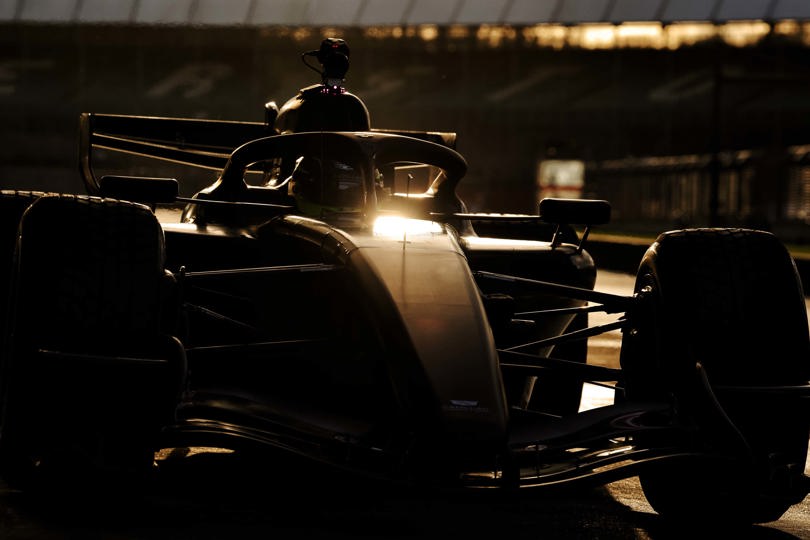
New car brands are entering the sport, some are coming back and some are leaving. Teams are being rebranded, engine suppliers are switching between teams and we will see our first Ferrari-powered Cadillac!
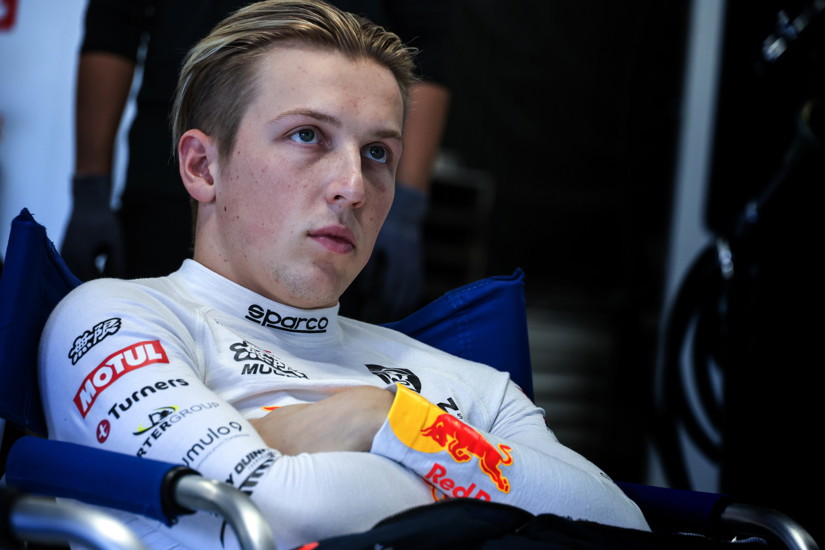
And for Kiwi fans, local hero Liam Lawson is back in the seat at Racing Bulls for another season, having signed for another year with the Red Bull feeder team.
If you’re a first time race watcher, a Netflix viewer intrigued by the drama or just a fan of Kiwis taking on the world on the big stage, here are the five things you need to know before the start of the 2026 Formula 1 season.
1. The engines are getting a major rethink
Since 2014 F1 cars have used 1.6-litre turbo hybrid V6 engines. In 2026, that basic layout stays, but the balance changes a lot.
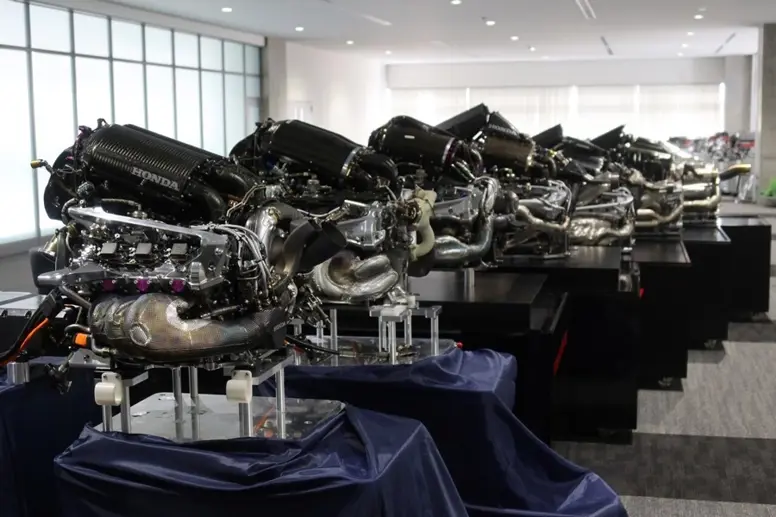
The biggest shift? Much more electric power.
The electrical hybrid system will produce almost as much power as the petrol engine itself, while at the same time, the complicated MGU-H system (which recovers heat energy from the turbo) is being scrapped to make engines cheaper and simpler. All cars will also run on fully sustainable fuel.
As a result of all of this, the cars may sound a little different and energy management will matter much more. The technology is also considerably more relevant to road cars, something carmakers see as far more appealing. Which brings us to…
2. New car brands are joining the grid
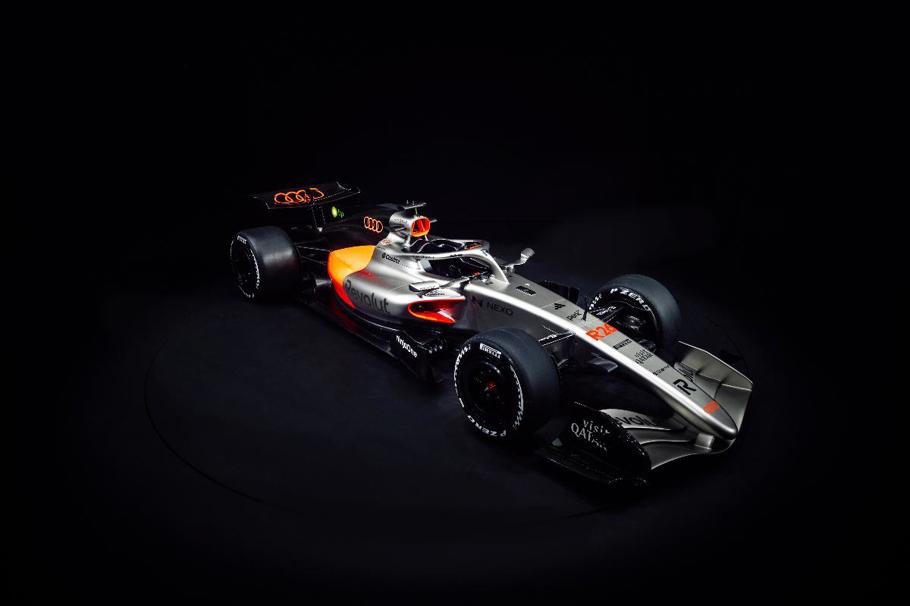
2026 isn’t just a technical reset, it’s a political and commercial one too: Audi will enter as a full factory team, taking over the Sauber team (that has competed in F1 for more than 30 years) and building its own engines in place of the Ferrari engines Sauber used, while General Motors is entering under the Cadillac name, using Ferrari engines until it switches to building its own in 2029.
Ford is returning to F1, replacing Honda in the Red Bull Powertrains partnership that builds engines for the Red Bull Racing and Racing Bulls teams, while Honda is officially back as a fully-fledged engine supplier instead, providing engines to the Aston Martin team.
F1 hasn’t had this much big-brand carmaker interest in years, and more manufacturers means more money, more competition and more long-term stability for the sport.
However, one notable departure is that of Renault that, like Sauber, is a long running name in F1 leaving the grid in 2026. The Renault F1 Team was rebranded as Alpine for the 2021 season, with Renault remaining as an engine supplier. A poor run of results and general lack of competitiveness during the V6 turbo era saw the company make the decision to exit at the end of the 2025 season after 36 years as an F1 engine supplier.
3. The cars will look and behave differently
The 2026 cars are being redesigned to be shorter, narrower, lighter, and more energy efficient
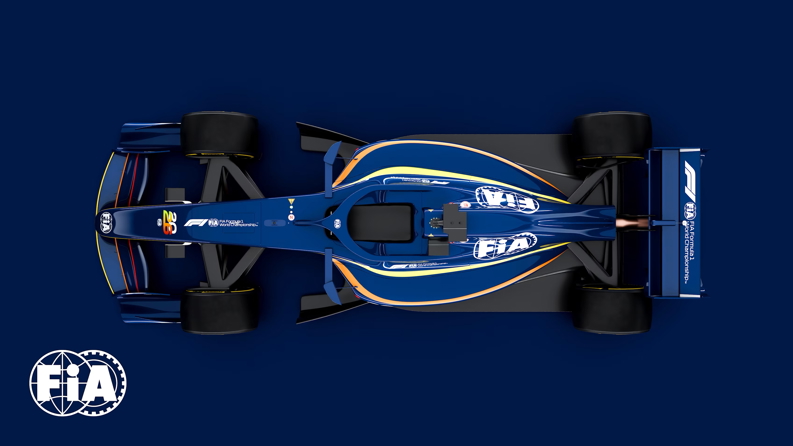
They will still use ground effect aerodynamics (the tech that helps cars follow each other more closely), but there will be new active aero systems that adjust between low-drag mode on straights and high-downforce mode in corners, while the Drag Reduction System (DRS) that aids passing on specific sections of the tracks is being ditched in favour of an overtake mode that provides the drivers with a boost by using energy stored from the hybrid system.
In simple terms, the FIA is trying to make the cars easier to race wheel-to-wheel and less dependent on dirty air. If it works, overtaking should improve. If it doesn’t, well… Twitter will let you know.
4. There’s a brand-new American team on the way
As mentioned earlier, General Motors is heading into F1. After years of political infighting, F1 has approved a new 11th team: Cadillac, backed by General Motors.
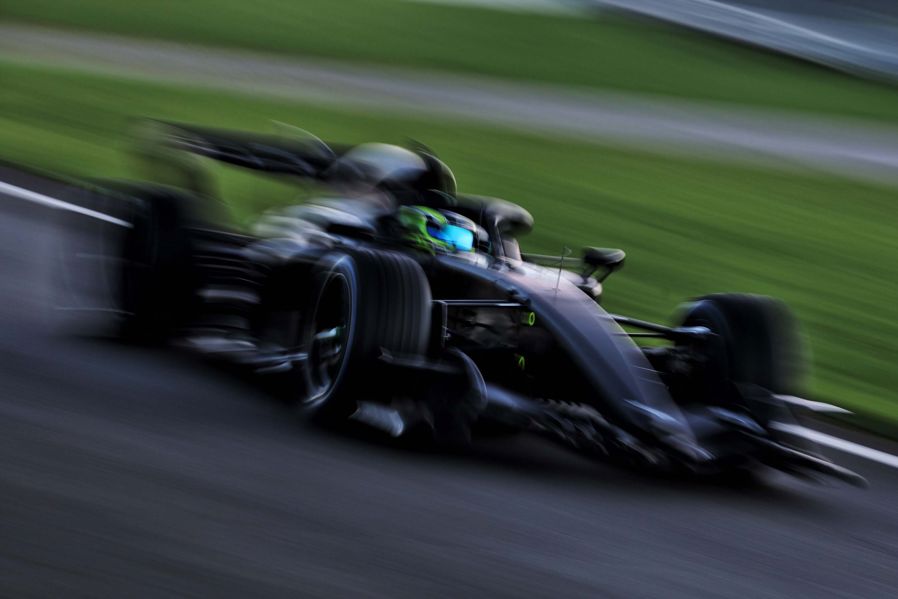
That’s significant because it expands the grid for the first time in 10 years (the last all new team was Haas in 2016), adding another manufacturer-backed operation alongside Audi (that is taking over an existing team).
It is also significant because it deepens F1’s push into the US market, and with races in Miami, Austin and Las Vegas already on the calendar, the American footprint keeps growing.
5. The competitive order could completely reset
This is the big one: whenever F1 changes engine rules, the pecking order can - and usually does - flip overnight.
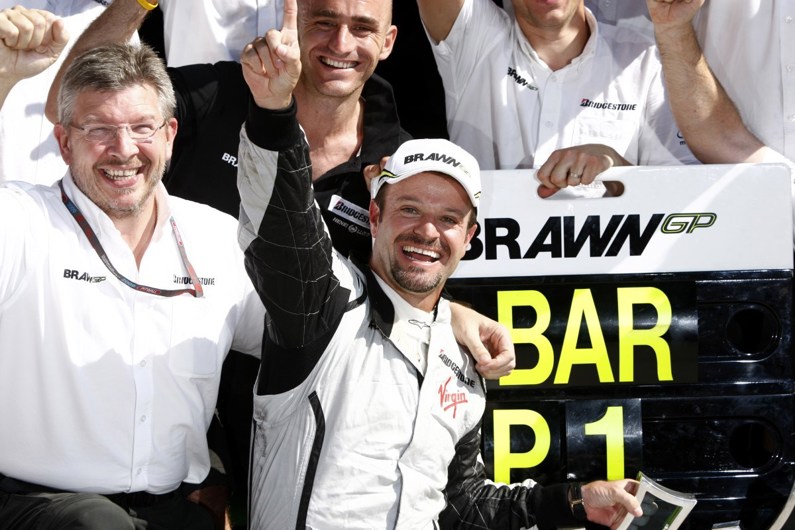
Brawn GP shocked everyone in 2009 when it dominated during its very first (and only) season following a radical shakeup of F1 regulations that introduced the Kinetic Energy Recovery System (KERS), radically revamped aero regulations and brought back slick tyres, while that team’s successor - the Mercedes-AMG Petronas Formula One Team (the Brawn team was sold to engine supplier Mercedes at the end of 2009) - dominated following the introduction of the V6 hybrid power units in 2014.
2026 is the biggest power unit change since 2014, and that means a number of potential wrinkles: a current front-runner could stumble; a midfield team could leap forward; or a new manufacturer could absolutely nail the rules
What it all means
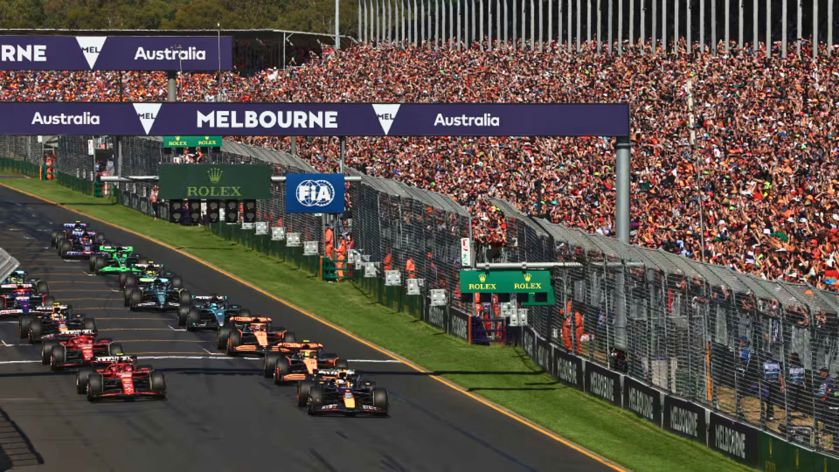
With the radical rule changes, new teams and a shift in how the cars produce and use their power, F1 hasn’t been this unpredictable for years.
Engines go bigger on electric power, sustainable fuel becomes mandatory, big car brands are arriving (or returning) and leaving, the cars themselves are being redesigned, and the competitive order could well be shaken up: F1 in 2026 won’t just be another season. It’s a reset button.
And reset years are usually when the chaos - and the fun - really begin. This means that for casual viewers, this is prime time to jump into F1, as nobody really knows who will get it right.