



Medium SUV is one of the most popular and important new-vehicle sales segments in New Zealand. It was the biggest overall last year, and is battling with Small SUV for supremacy this year.
Medium SUV: that’s your family sized models, typified by the top-selling Toyota RAV4. And here’s something else typified by the RAV4: electrification has surged through this class in a big way, meaning there’s lots of eco-friendly choice across multiple brands.
We’ve chosen what we reckon are the most interesting or worthy models to consider across hybrid (HEV), plug-in hybrid electric vehicle (PHEV) and pure-electric (battery electric, or BEV). They're in no particular order, other than a loose progression through those powertrains.
Nissan X-Trail e-Power (HEV)
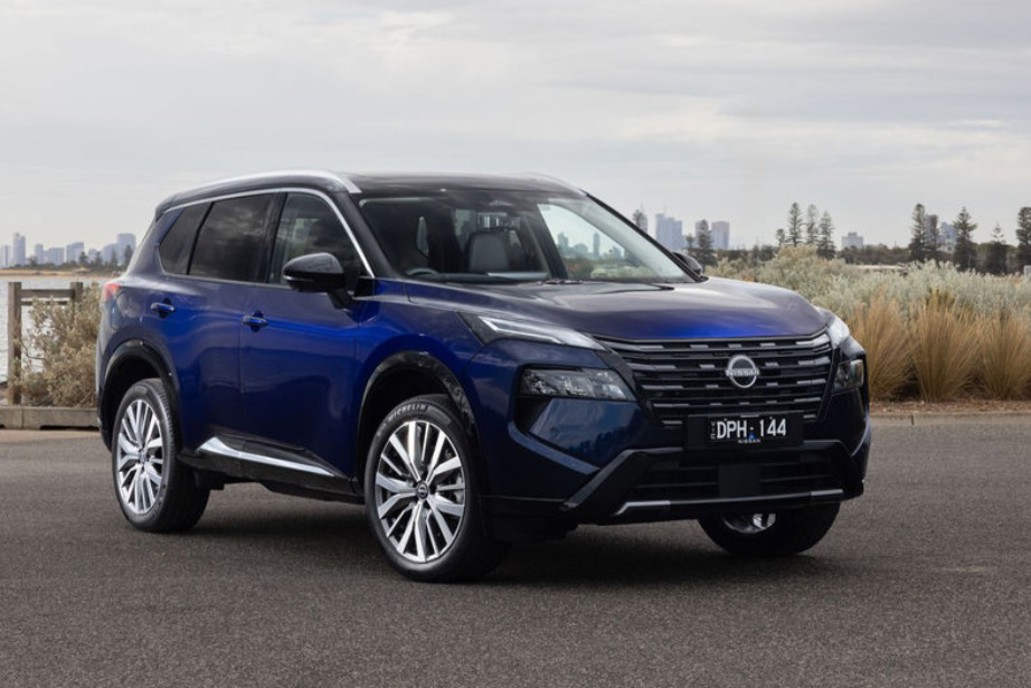
A HEV, but not as we know it. Nissan’s e-Power technology is not the easiest to get your head around, but it’s now coming into its own. The 1.5-litre petrol engine is there to generate electricity, but it never drives the wheels – that’s the job of the e-motors. It also makes for a pretty fancy “e-4force” AWD system.
The X-Trail is a good thing regardless, and it’s just been (slightly) refreshed for 2026 with a mild styling makeover, and interior changes including new colour combinations.
How much? $58,990-$64,990 Efficiency 6.8l/100km (3P-WLTP).
Subaru Forester (HEV)

We like the new Forester so much we awarded it best Family SUV in our 2025 Car of the Year programme. That’s partly because it’s a great SUV that blends on and off-road smarts with space and practicality, but also thanks to the vastly improved hybrid system that’s available across the lineup.
Subaru’s “strong hybrid’ setup borrows some key components from Toyota, including the powerful 90kW electric motor, but it retains Subaru character by locating the motor in the transmission, meaning it’s AWD all the time. Which is a Subaru thing.
It’s not the very last word in fuel efficiency, but it is substantially more economical than the non-hybrid (or any petrol Forester before). And it’s still very… Subaru.
How much? $52,990-$60,990 Efficiency 6.9l/100km (3P-WLTP).
Toyota RAV4 (HEV or PHEV)
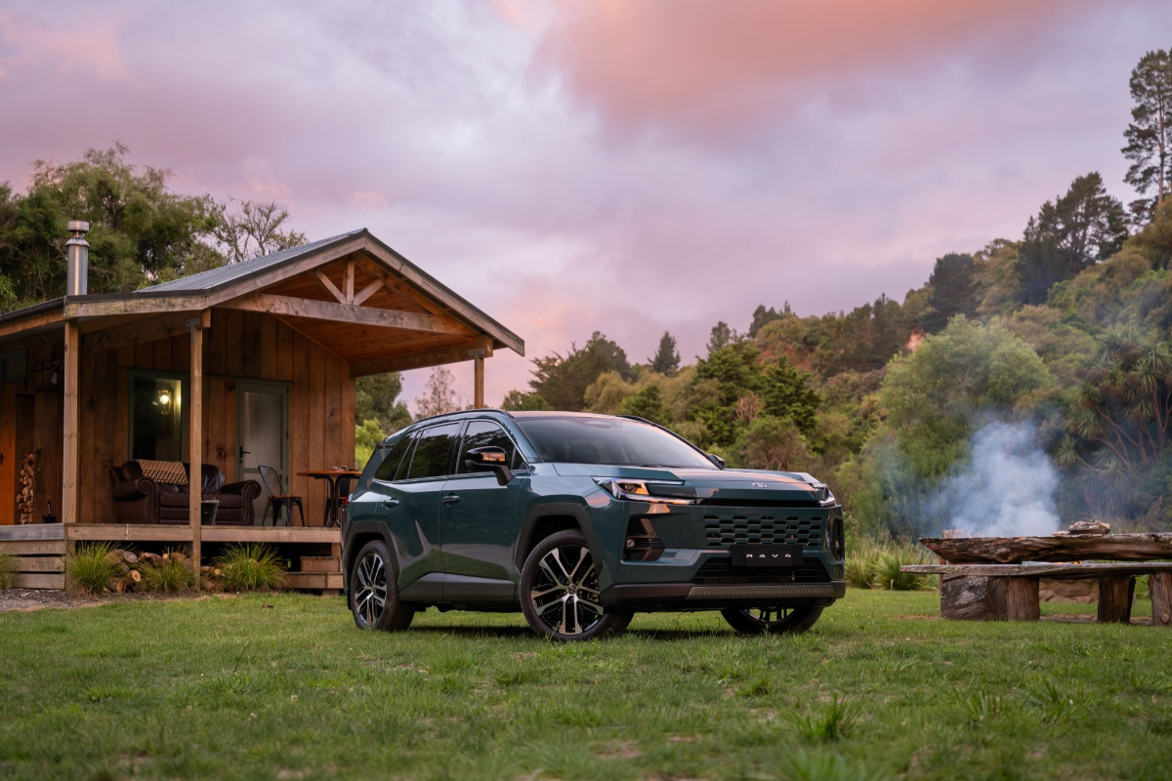
We haven’t driven the new RAV4 yet, although that’s happening very soon. But you can’t leave the Toyota out of a list of electrified family SUVs, given the previous model has been a top-seller for such a long a time, even knocking the Ford Ranger off the overall number-one sales spot last year.
The new RAV4 comes in three distinct exterior designs: Core, Adventure and GR Sport. A big difference for the new model is that the 2.5-litre hybrid powertrain will be available in FWD or AWD (it was the latter-only for the previous generation).
An even bigger change will be the addition of a plug-in hybrid for the Kiwi lineup, which will be available on both the mainstream GXL/XSE and GR Sport versions. The GR Sport will be the most powerful of all, with 227kW.
How much? $49,990-$66,990 Efficiency 5.0-5.1l/100km (PHEV TBA)
GWM Haval H6 (HEV or PHEV)
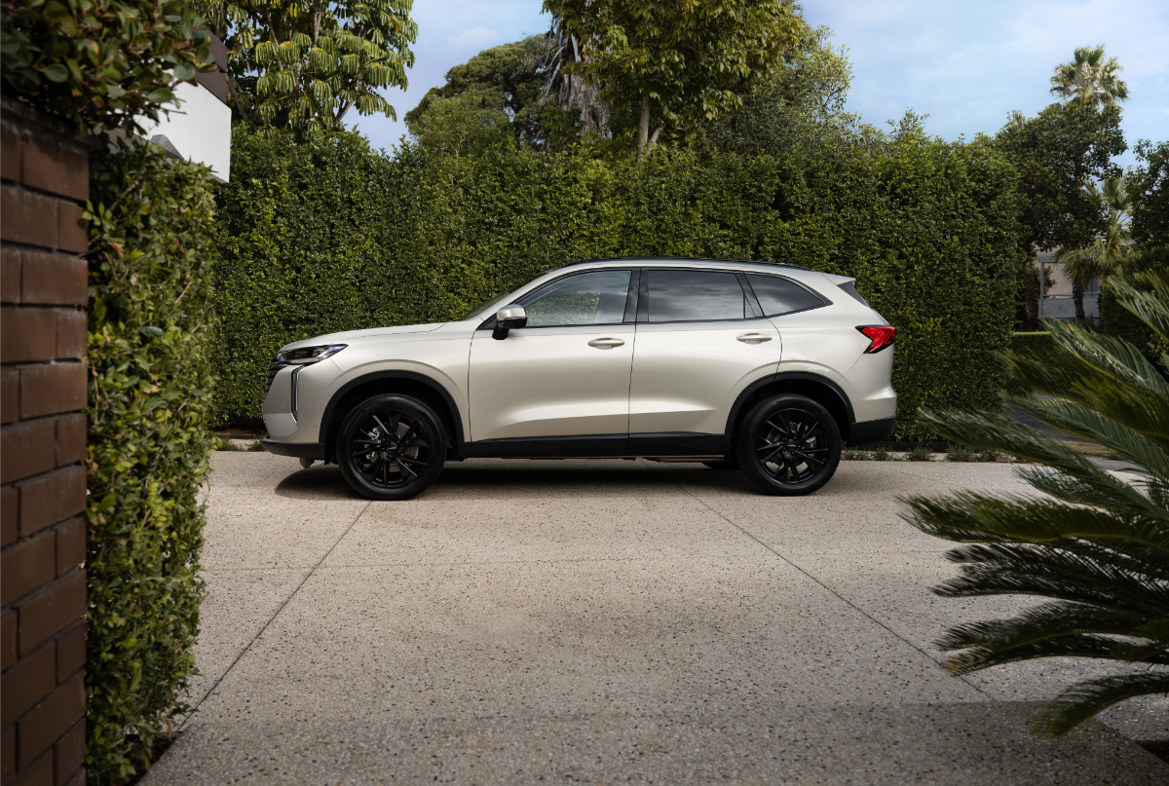
We’re fans of the GWM Haval H6 because it’s so quickly matured from a value-led family car to an SUV with genuinely good technology and quality… while remaining great value.
There’s a broad choice of electrified powertrains, including HEV and PHEV, each with the choice of FWD or AWD. But even the entry-level HEV is a pretty sophisticated machine, with a dedicated hybrid transmission (DHT) that puts as much emphasis on electric driving as possible.
How much? $40,990-$51,990 (current special, $42,990-$53,990 after March 31). Efficiency 1.0-5.4l/100km, EV range 106km (ADR).
BYD Sealion 5 (PHEV)
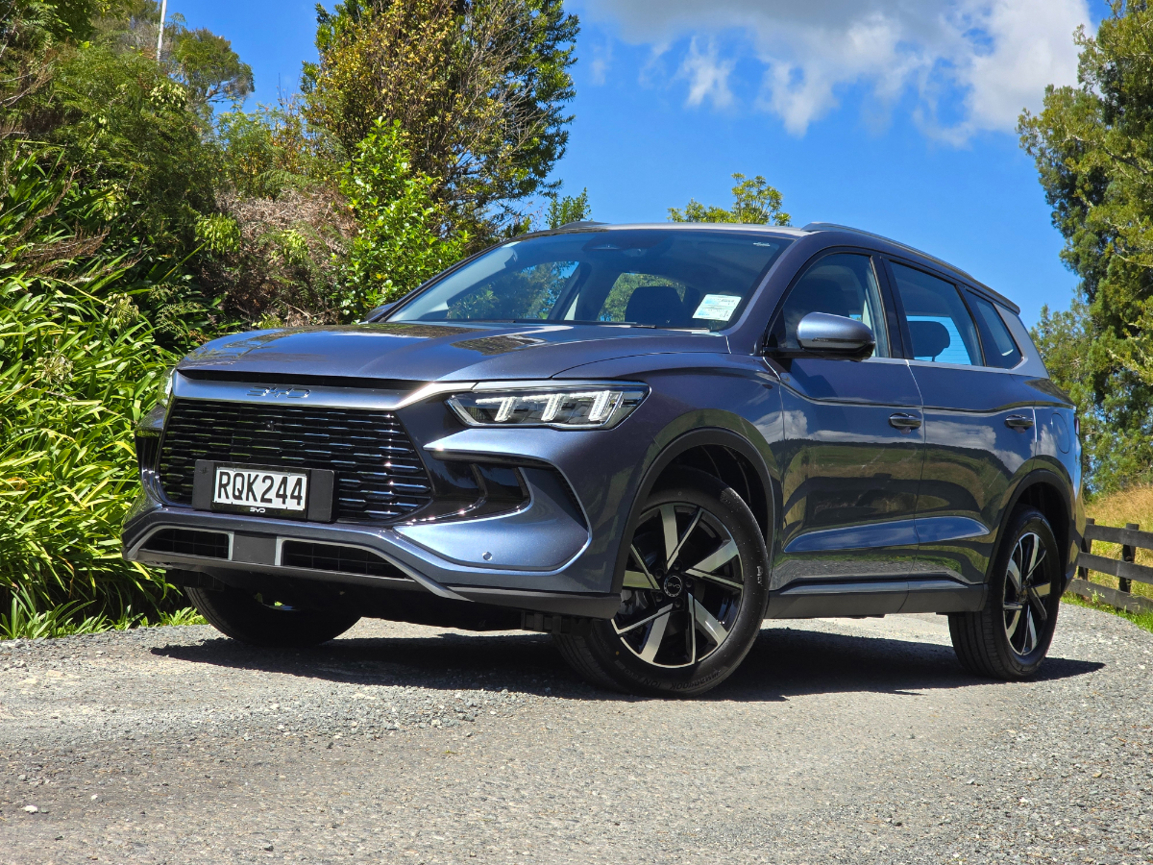
The Sealion 5 is a slightly smaller sibling to the Sealion 6, but still big enough to be considered a medium/family SUV. It also has the distinction of being one of BYD NZ’s newest models.
Like the 6, the 5 is a super hybrid with a sizeable battery that helps the car act as much like an EV as possible. In fact, there are two sizeable batteries available: the entry-level model has a claimed electric range of 71km, while the top version can manage 100km. Both are front-drive.
Keen drivers may still look to the Sealion 6 (our overall COTY in 2024), but for a blend of technology and value in a more compact, urban-friendly package, the 5 makes a strong case.
How much? $42,990-$48,990 Efficiency 1.3-1.4l/100km, EV range 71-100km.
Chery Tiggo 7 CSH (PHEV)
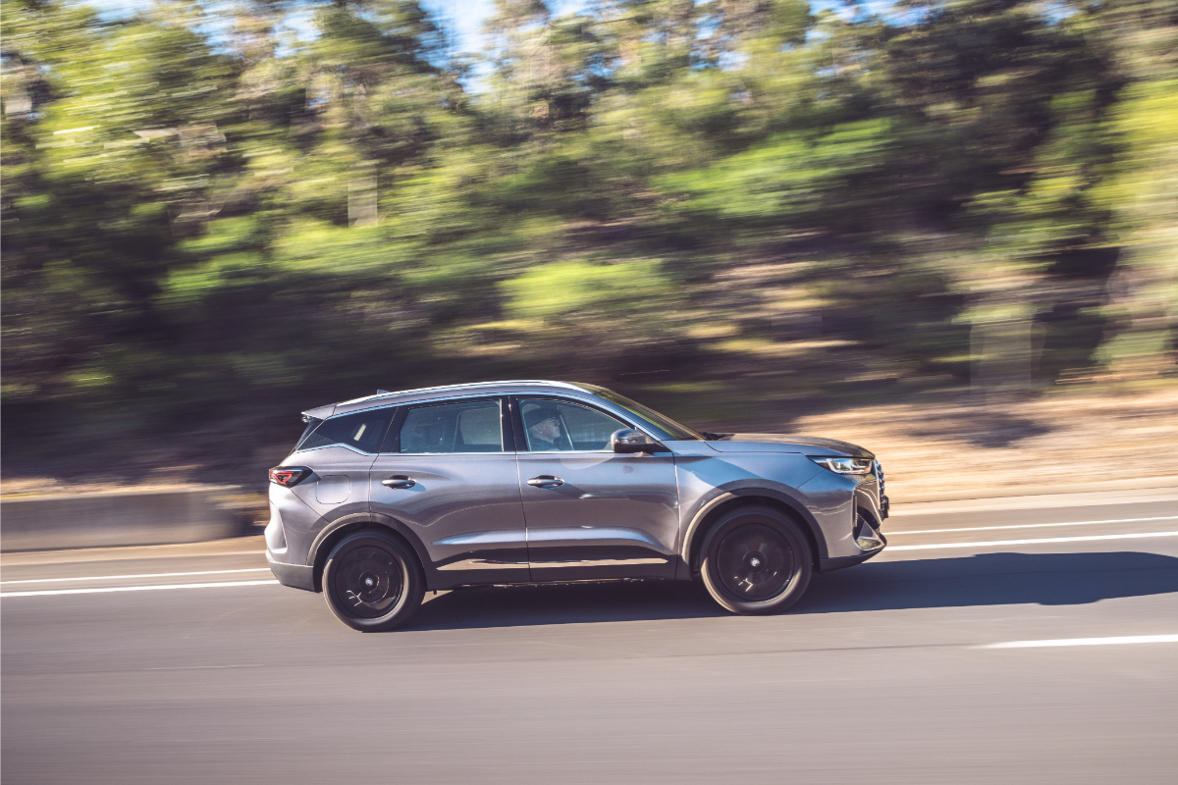
At launch, the Tiggo 7 CSH (Chery Super Hybrid) had the distinction of being NZ’s cheapest new PHEV. That was until the BYD Sealion 5 came along. However, Chery NZ’s current special puts the 7 back on top (or the bottom?) with a sub-$40k price for the Urban model.
It’s not the most engaging SUV to drive, but the super hybrid technology is astoundingly good (93km EV range) and the cabin boasts impressive quality. It’s a whole lot of family car for the money.
How much? $39,990-$43,990 (current special, full retail $42,990-$46,990) Efficiency 1.4l/100km, EV range 90km.
Geely Starray EM-i (PHEV)
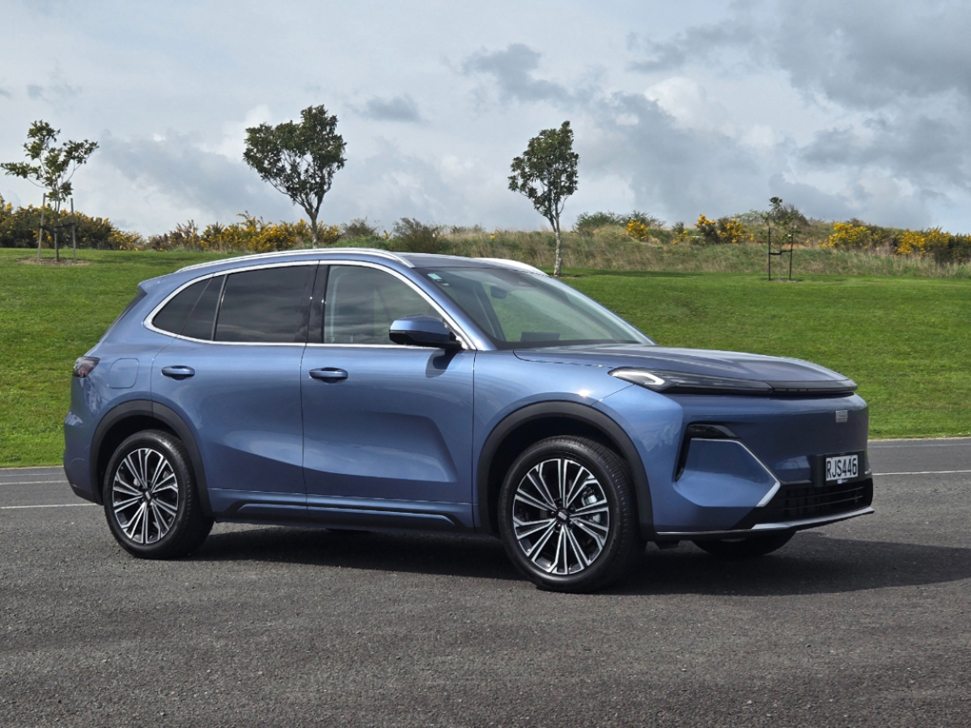
The Starray is another China’s new breed of super hybrid vehicles, with a large battery for extended EV range and a powertrain that emphasis electric driving even when it’s in hybrid mode. There are two models, Complete and Inspire.
The Starray is a slightly larger sister model to the pure-electric EX5. It boasts an electric range of 83km (WLTP)and it’s a super-spacious family SUV to boot, with a long wheelbase and flat cabin floor.
How much? $42,990-$46,490 (current special, $45,990-$49,490 after March 31) Efficiency 1.5l/100km, EV range 93km.
Leapmotor C10 (PHEV OR BEV)
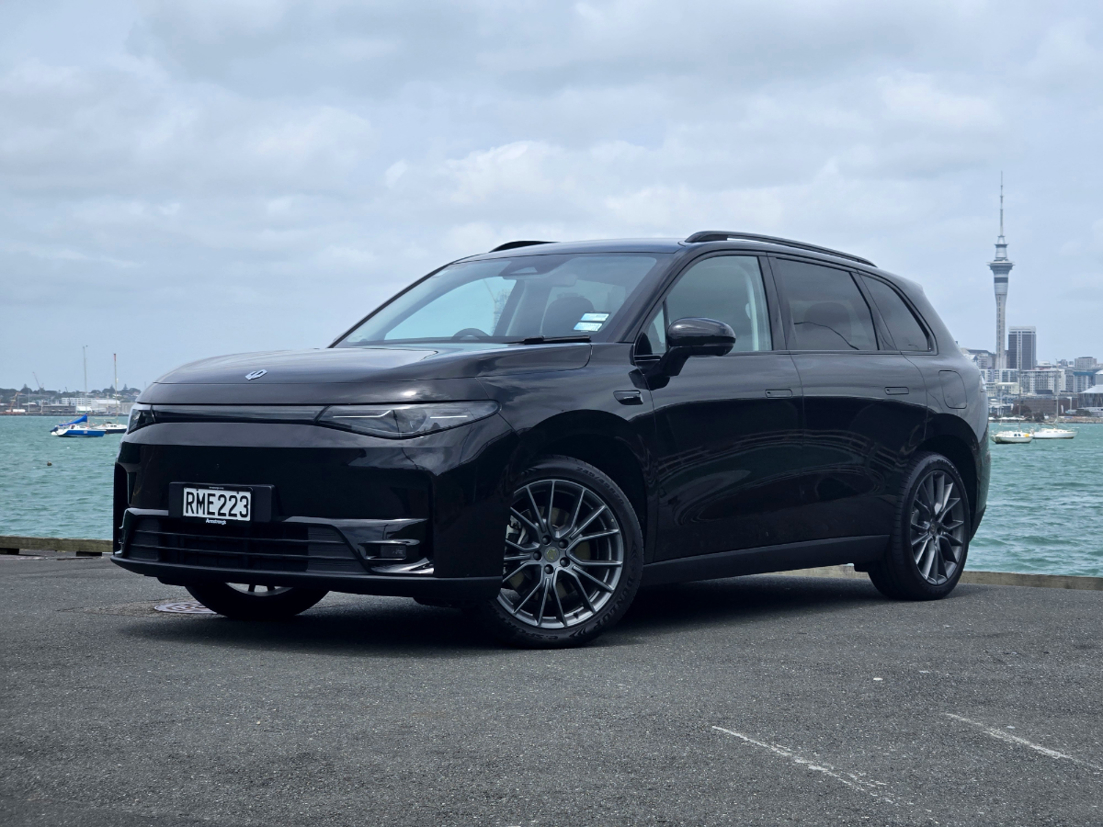
The handsome-looking C10 has been finessed quite a bit since its launch in late-2024, with the addition of a range-extender PHEV model to the lineup (it was initially just a BEV) and some running changes to the infotainment system that have drastically improved driver interaction with the safety-assist settings.
There’s a $5k price difference between the Ultra Hybrid PHEV and BEV, so there’s still a premium to be paid for pure-electric power; they’re both RWD. But BEV technology also propels the flagship C10 AWD to a performance high, with 0-100km/h in 4.0 seconds… if the family can stand going that fast.
How much? $47,990-$52,990 (current special), AWD $64,990 Efficiency 1.2l/100km (Ultra Hybrid), range 510km (BEV).
Tesla Model Y (BEV)
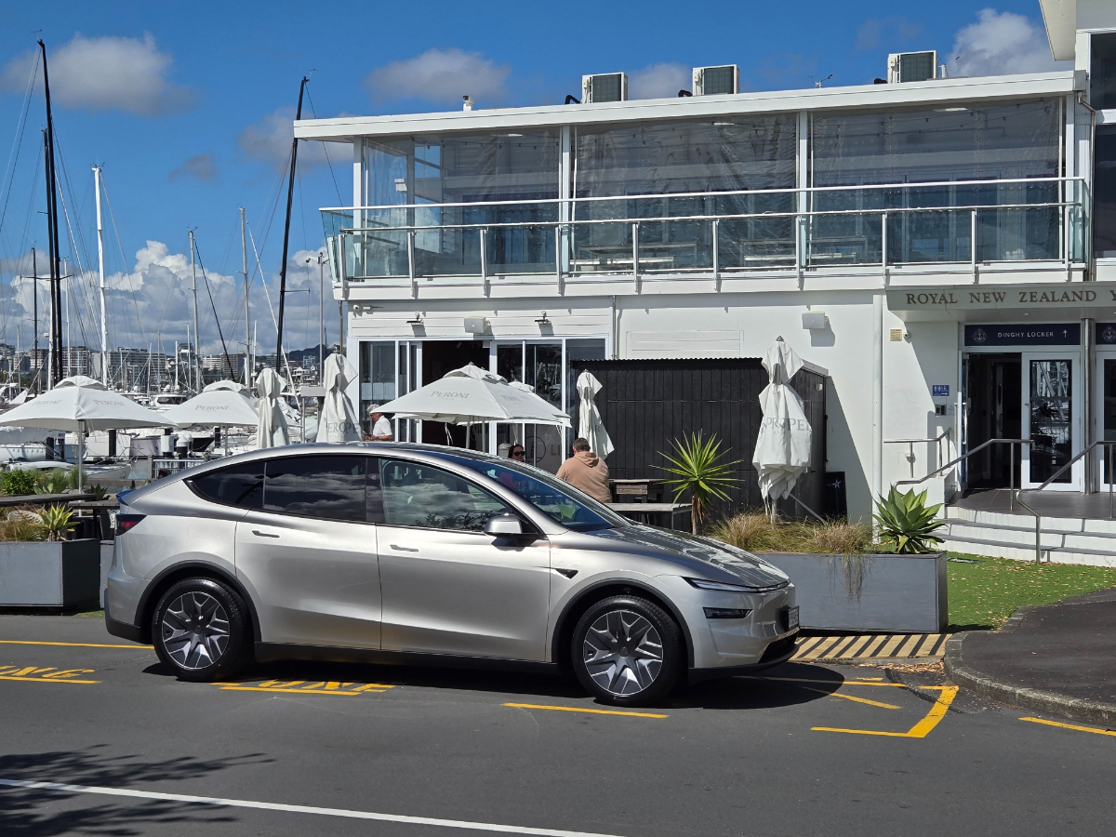
We’re sold on the latest Model Y, which has evolved from a slightly odd-looking machine with scrappy quality and great battery technology to a slick-looking Cybertruck-esque SUV with impressive quality and… great battery technology.
There are still RWD and AWD models, and the new Performance has been developed into a properly pleasing driver’s car. But from a family-SUV point of view, the big news is the just-announced Model Y L six-seater, with three-rows and two captain’s chairs in the middle.
How much? $67,990-$100,900 Efficiency Range 466-681km (3P-WLTP).
Toyota bZ4X (BEV)
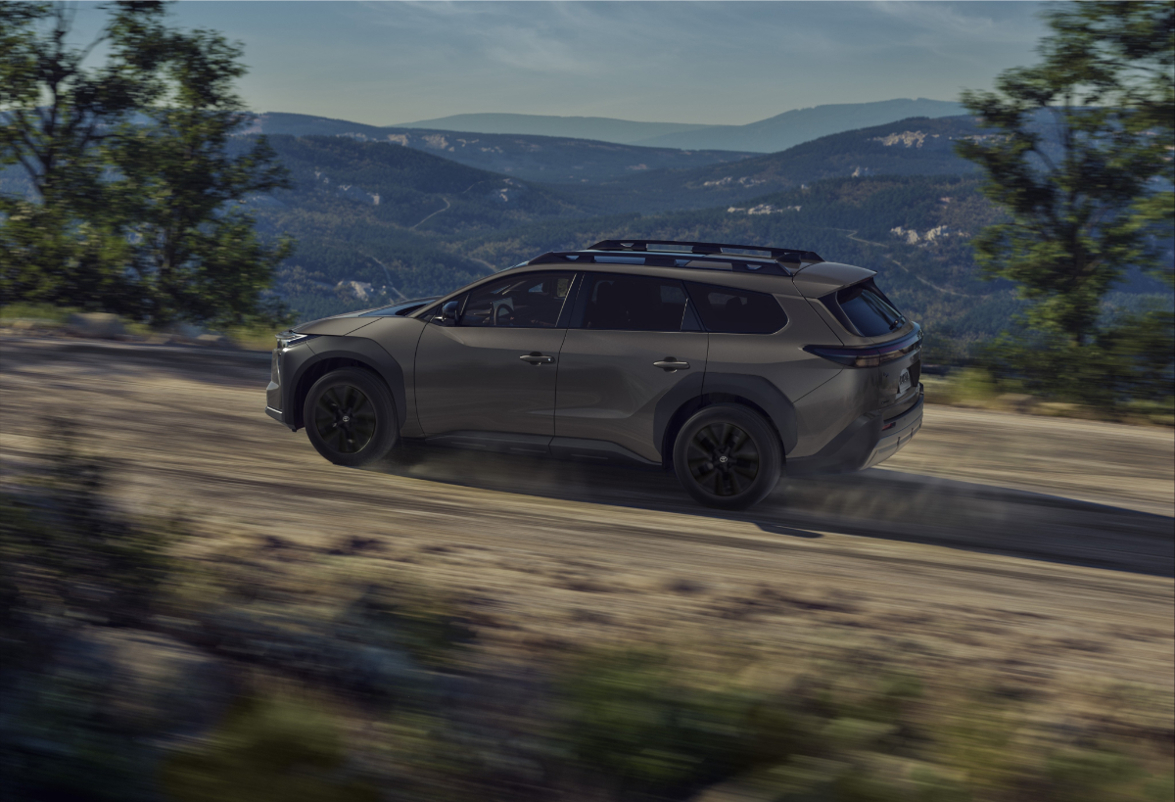
Okay, another Toyota we haven’t properly driven: this is the facelift version of the bZ4X that’s on the way in the second quarter of this year. But we’re very familiar with the previous model and the new one is coming at a realigned price, a higher-capacity 74.7kWh battery and revisions to the electric motors that improve range.
That’s the sensible stuff. But really, we’re just excited about the addition of the bZ4X Touring station wagon to the lineup. It looks cool and it’ll be an even better family car, with an extra 140mm length and 20mm in height. Cargo space is up 148 litres to 600l.
How much? $56,990-$69,990 Efficiency Range 571-591km (Touring TBA)