



The fuel-price situation is looking pretty grim. At the time of writing, the flow-on effects of the Iran War have seen the price of 91 octane rise nearly 20% in the last month, to an average of $3.07/litre for 91 octane. And that's just the start, with the Government saying things are likely to get worse before they get better.
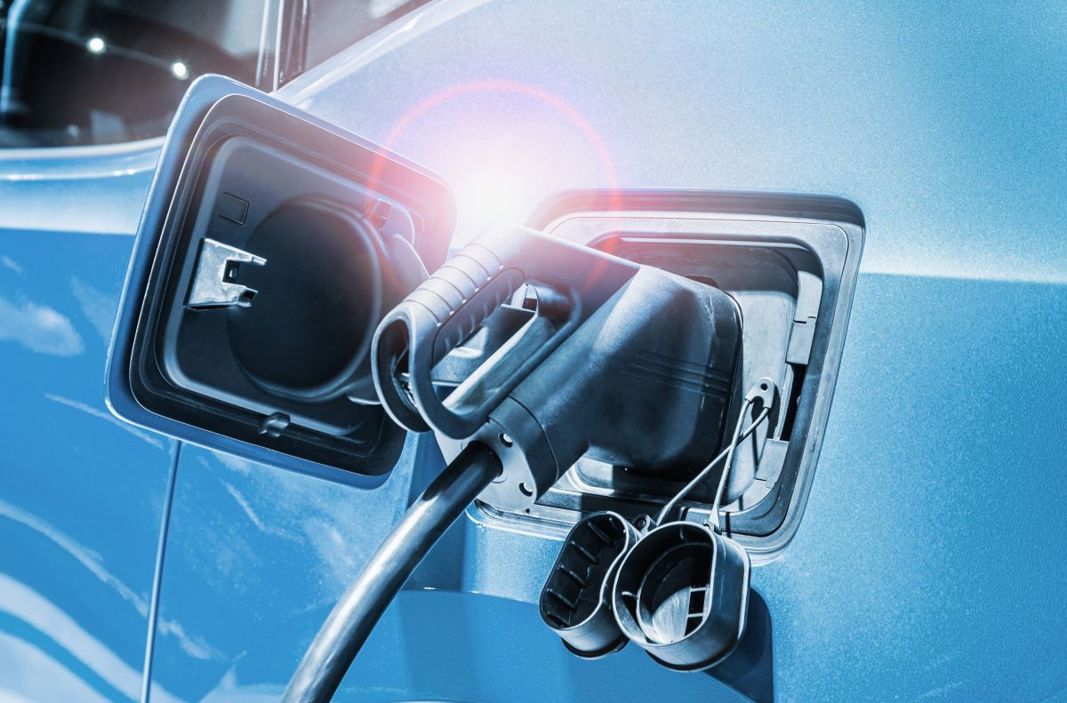
It's tempting to rush out and try to trade your combustion-car for a used EV. Sellers and auction sites are reporting hugely increased interest in zero-emissions cars; with good reason, because a typical EV might cost you as little as $10-15 to "fill" at home overnight.
And if we do run out of fuel at some stage, only an EV will keep you moving.
But before we shop, a reality check. If you were planning this change anyway, fine; better now than later because demand will only increase as the fuel crisis grows, which means the prices of used EVs will rise.
If it's a bit of a panic-buy, Covid toilet-paper-style, it might pay to do the sums before you rush in. If you have an average-ish petrol car that returns around 8 litres per 100km (example: a 2016 Mazda CX-5) doing an average annual mileage of 15,000km, it would have cost around $3000 to fuel at February prices. It will now cost you about $3700.
That's a big increase and hurts many motorists who will struggle with any rise in running costs, no question about that. But it is less than $15 per week. And if fuel rises another 20% in short order (gulp), that's $1400 extra cost per year, or another $30 per week.
But it might also cost you thousands in up-front capital to change your current car to an EV.
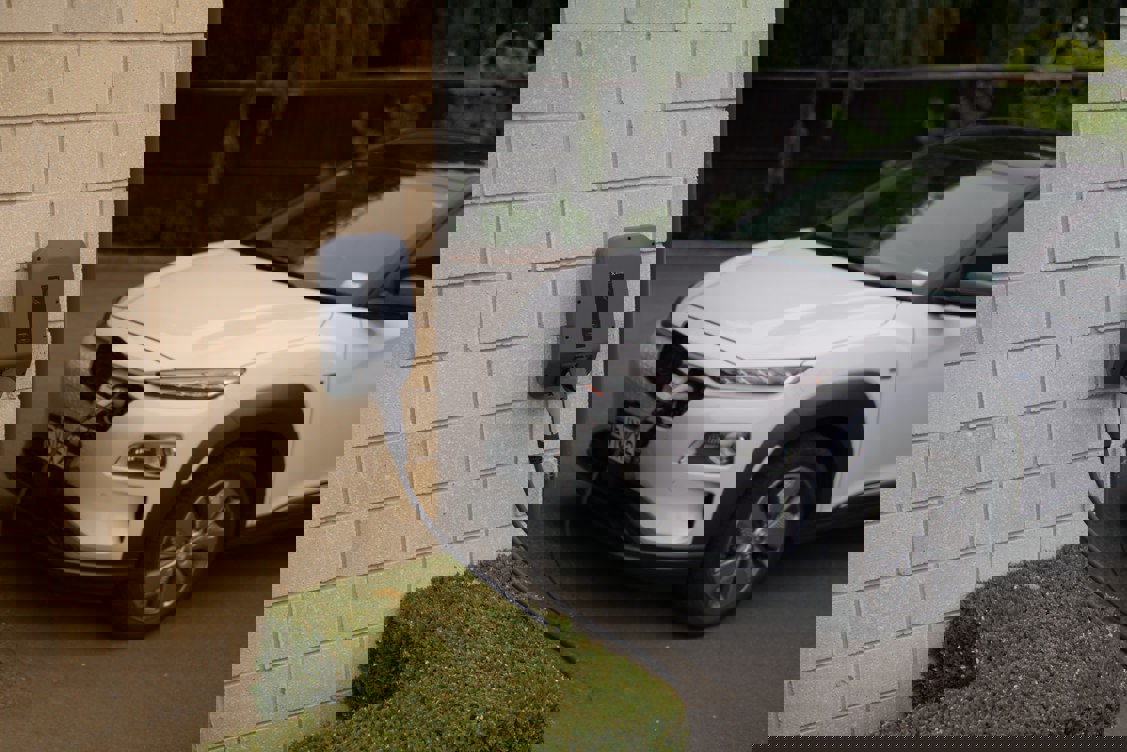
Presumably you'll be trading/selling a combustion car, so you'll take likely a bath on that, especially if it's a relatively thirsty model. Let's face it, you often take a bath on a trade-in even when there's no fuel crisis.
And if you want to make an EV a practical choice, you'll probably need a wallbox-type charge station at home, especially if you're buying a used example that won't have as much range as one of the latest models. It's a safer and faster (3-4 times quicker than plugging into a domestic outet) way to charge. That's $2000-$4000 depending on how you want to do it.
So it's a long game and it'll take you a while (perhaps quite a while) to recover that initial capital cost. But if you're in it for good, you will indeed come out way ahead and remain isolated from future fossil-fuel pricing. Kiwi smart-charger manufacturer Evnex has just released data suggesting EV owners save nearly $35k in fuel cost over the average age of a vehicle (14.8 years for NZ).
Still going ahead? Okay. Here are five used EVs we reckon are worth your money. We've set a budget of $30,000, which really will get you something decent that'll serve you for years to come - but there are also plenty below $20k if you're feeling a bit more brave.
Nissan Leaf
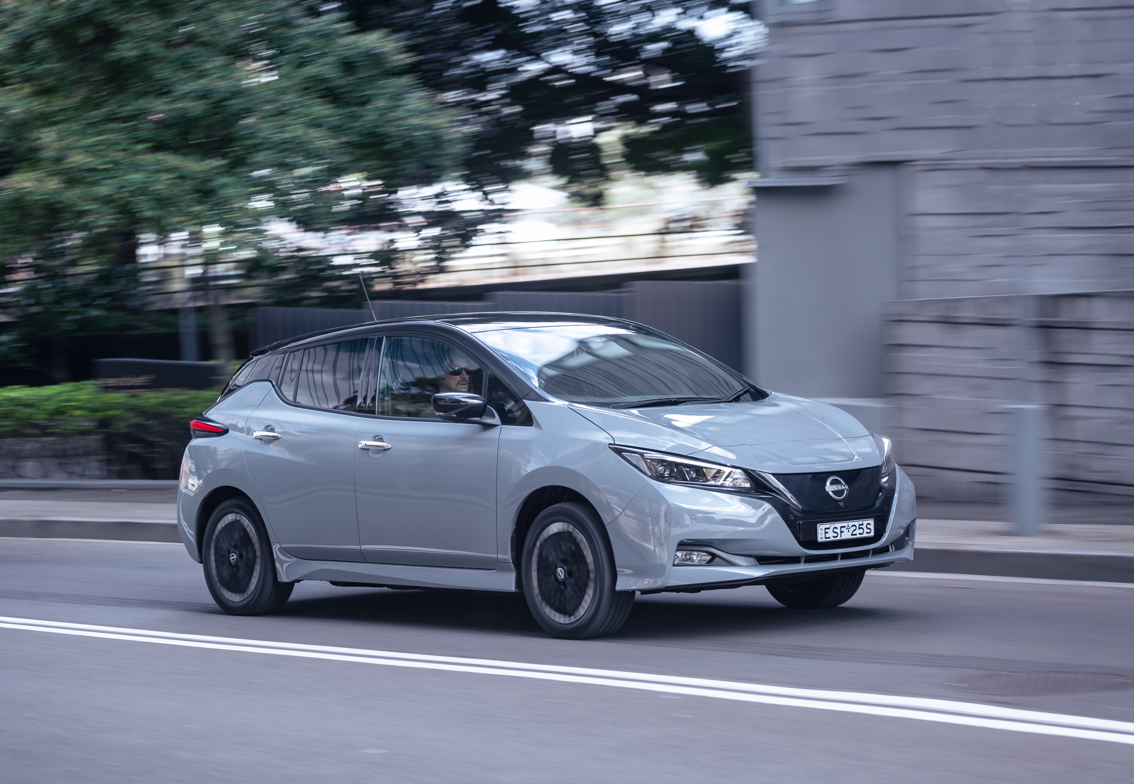
If you're talking EV, you have to include the Nissan Leaf. It really introduced NZ to the idea of pure-electric motoring, albeit via used imports rather than Kiwi-new.
There are Leafs (Leaves?) available in an enormously broad range of prices, right down to four-figure sums. But if you're serious, avoid the first-gen (2010-17), a future classic though it may be, and score the much more modern, longer-range and less-weird-looking second-gen version (2018-2025).
What we found for $30k: 2022 Leaf e+ with the upsized 62kWh battery, 38,300km, $29,950.
MG ZS
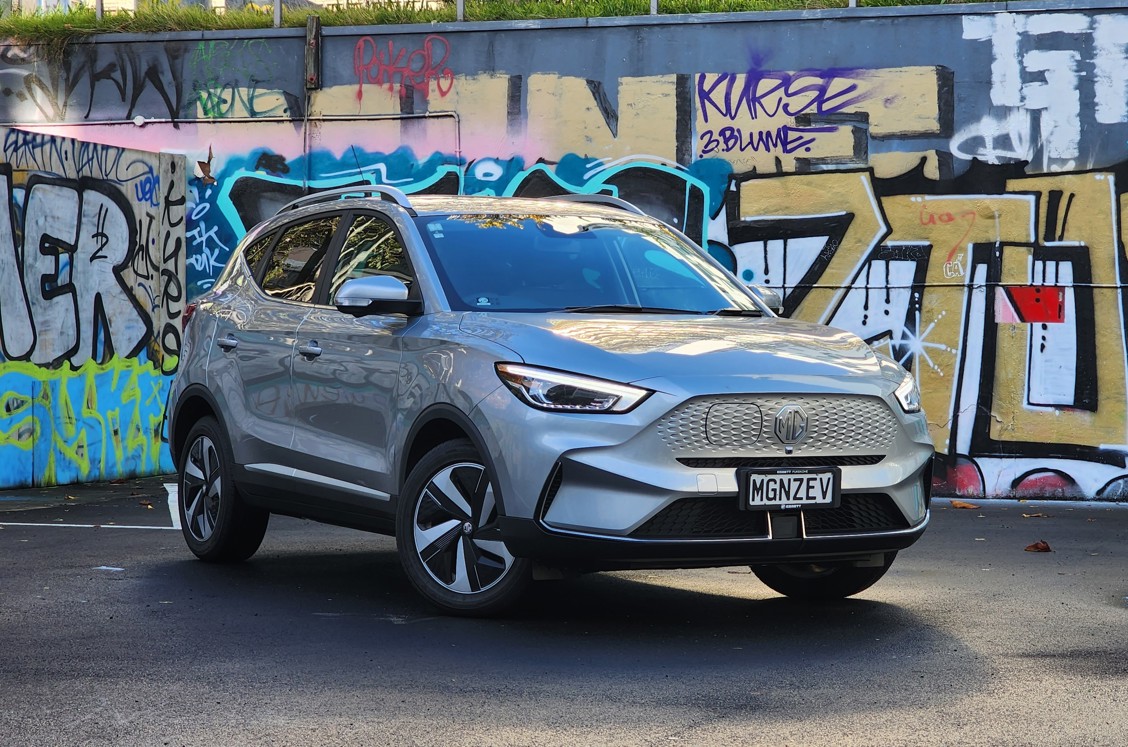
The original ZS EV enjoyed booming sales in NZ from 2021, partly thanks the introduction of the Clean Car Discount (remember that?) and partly because it was just a cheap and cheerful EV that made people feel good. The cheapest new EV you could buy for a while, in fact.
There was a facelift in 2022 with a more EV-style closed front and bigger battery options. Buy the newest one you can, because the ZS EV came with a 7-year warranty, which will still be in effect for you... the new owner.
What we found for $30k: 2023 Essence, 38,300km, $25,000.
Hyundai Kona
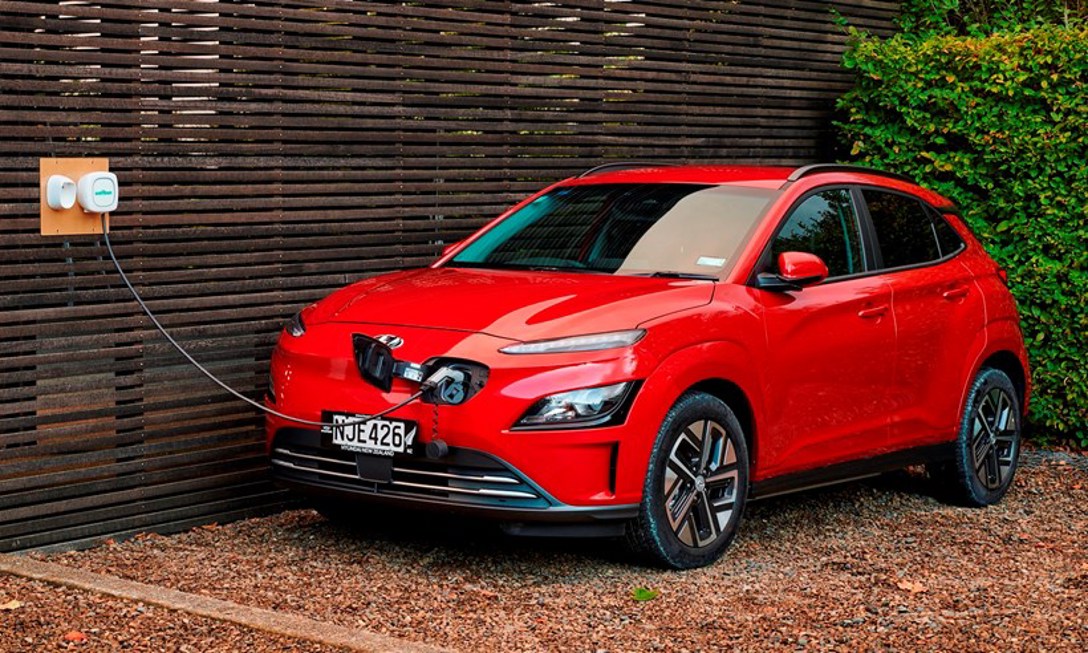
Hyundai's attempt to "mainstream" pure-electric power in NZ came with the Kona Electric in 2018. A pretty successful attempt too, with a 64kWh battery option that helped address range anxiety. The official figure was 400km.
There was a facelift model in 2021 with a fancier front end, but the Electric never reappeared for Kiwi customers when the current Kona was launched in 2023. So that's your shopping window.
What we found for $30k: 2021 facelift Kona II with the 64kWh battery, 67,000km, $29,980.
BYD Dolphin
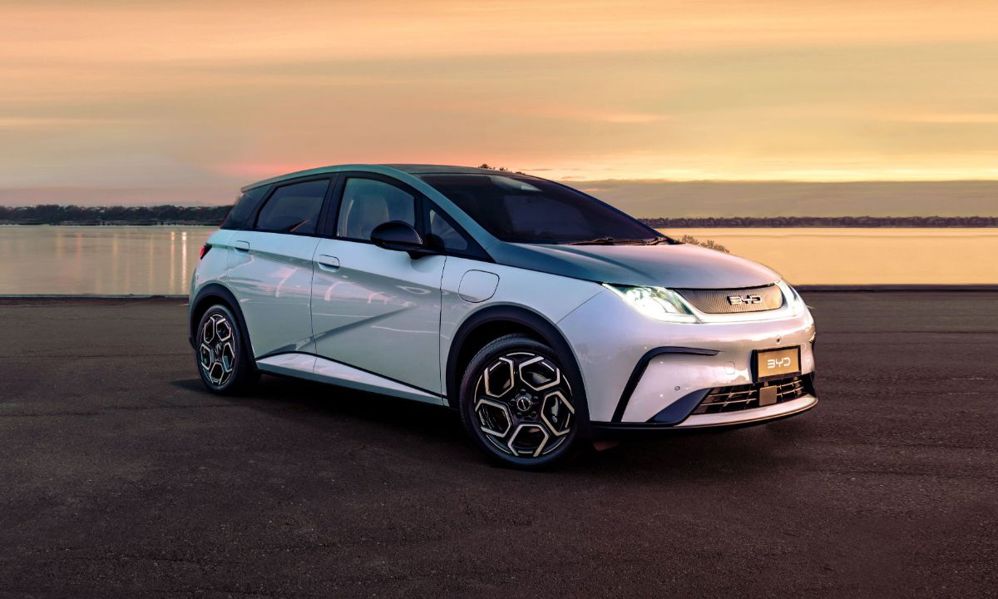
To be honest, for a BYD purchase we'd just spend the $30k on a brand-new Atto 1 city car, get the latest tech and new-vehicle warranty and be done with it.
But we're talking used, so we reckon the larger Dolphin is still a brilliant buy. It was a model that didn't really fire in NZ following its launch in 2023 (too close to the hugely popular Atto 3, perhaps) and has since been discontinued here, but it's a great small hatch and relative lack of love for it means there are bargains to be had.
What we found for $30k: 2024, 4000km (like a brand-new car then), $29,990.
Kia Niro
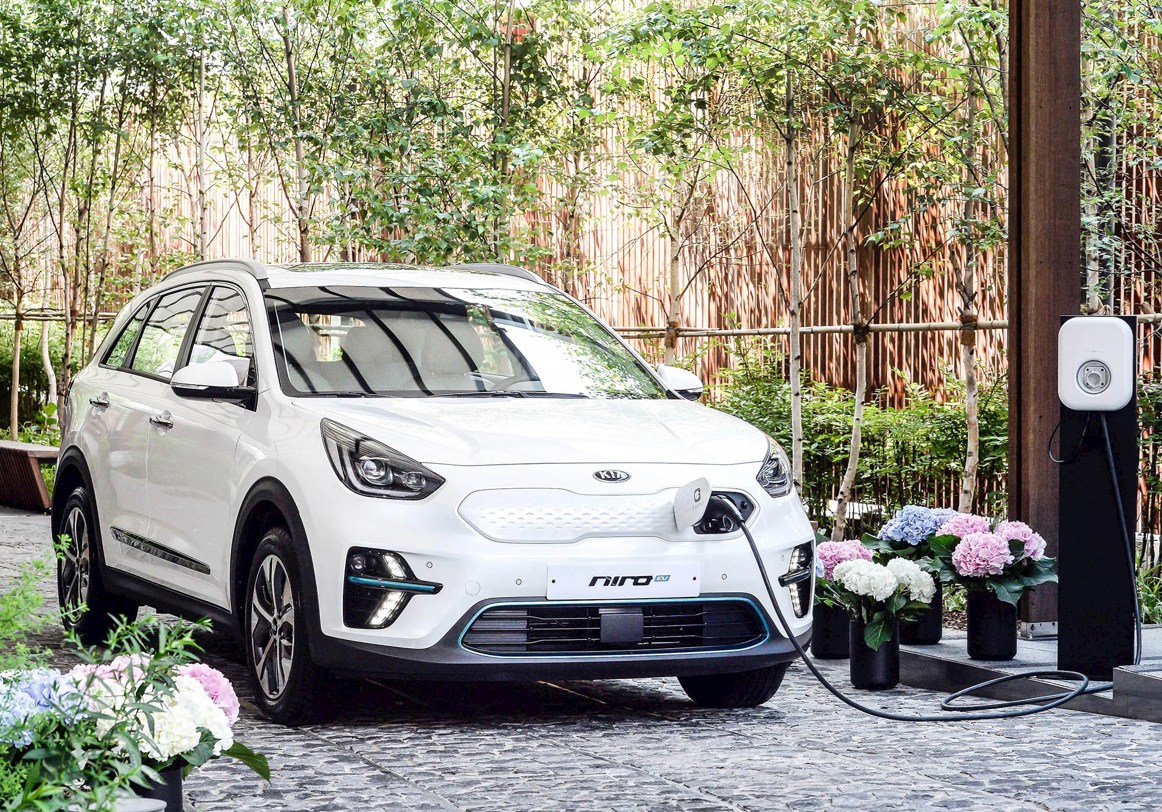
The Kia Niro was launched in NZ in 2018 as an exclusively electrified compact-SUV in hybrid, plug-in hybrid and full-electric versions. It continued through into a facelift in 2023... and continues today, although the pure-electric model has been discontinued in favour of the EV3.
Within our budget you'll likely be looking at a first-gen Niro EV and it's a good thing, closely related under the skin to the Hyundai Kona EV, but with more conventional SUV styling.
What we found for $30k: A 2022 EX455 (that's "455km" range), 77,000km, $29,950.
BMW i3
Enthusiasts, gather around. We made this a list of six because five is the natural number for a list and we wanted to provide options with broad appeal. So we gave you five sensible choices.
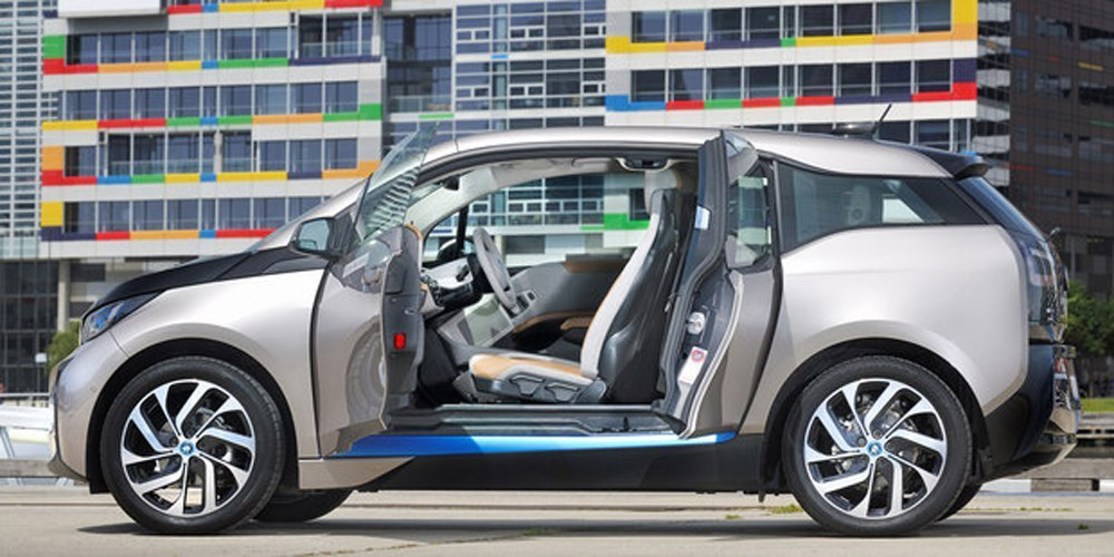
But we also wanted to point you towards this future classic and all-round cool electric: the BMW i3.
The i3 was launched in 2013 as a revolutionary EV with carbon fibre reinforced polymer construction (including the passenger "tub" as part of the alloy chassis) and rear-hinged rear doors.
You could buy it in pure-electric or range-extender versions (the latter REX with a BMW scooter engine) and it continued in production until 2022. Feel free to go for the REX, but be aware i3 nerds call the petrol filler "the flap of shame". Quite right oo.
Don't come expecting huge range (200-300km), but we love this thing.
What we found for $30k: 2021 full-electric with the 120Ah battery (yes, BMW expresses i3 capacity in a weird way), 87,990km, $26,680.