



Hybrids are the hot ticket in the New Zealand at the moment: they account for nearly 35 per cent of new-vehicle sales year-to-date.
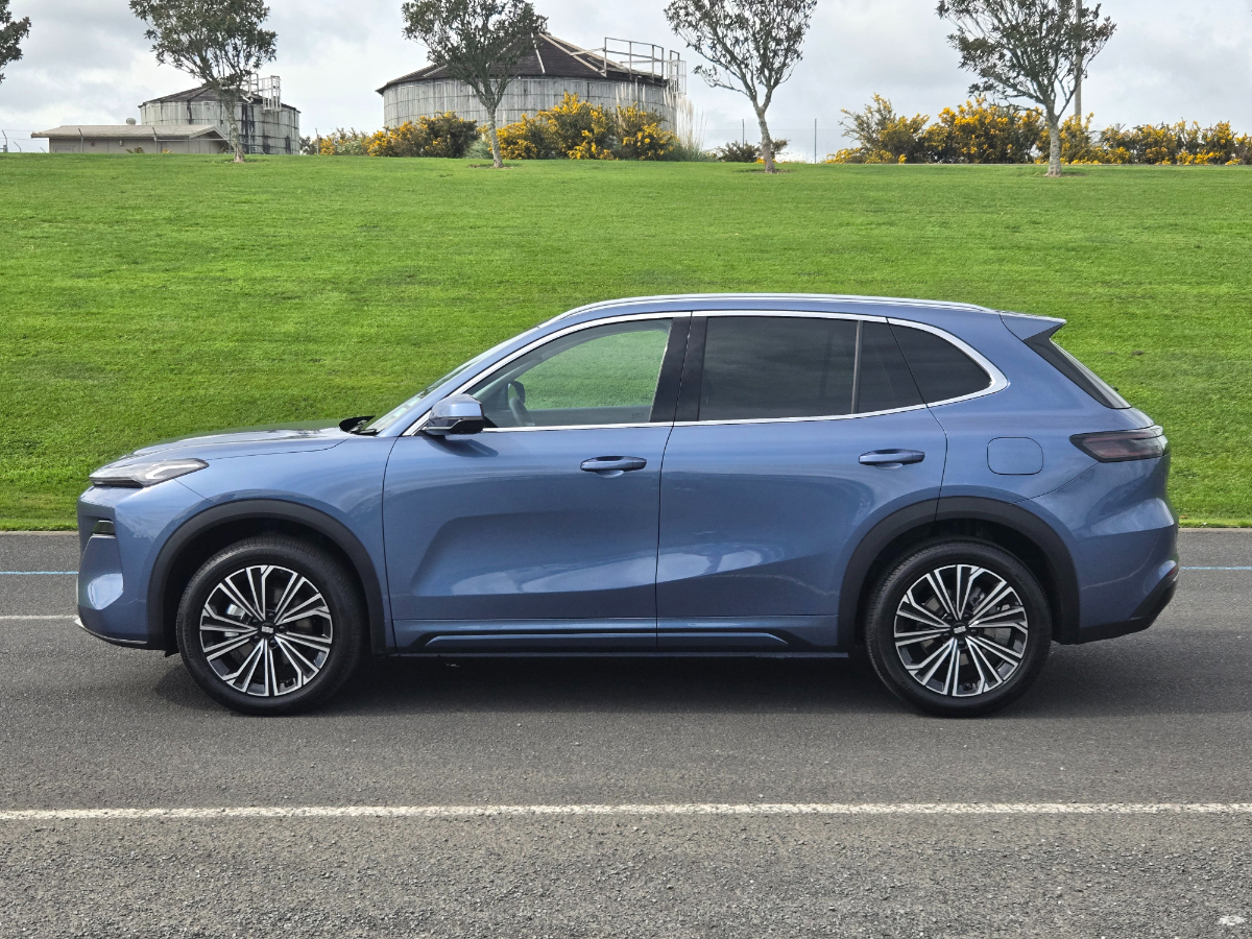
"The growth in hybrid vehicles reflects their increasing availability at lower purchase prices, improved fuel efficiency and suitability across a wide range of everyday uses," says the MIA, the organisation that represents new-vehicle distributors (and keeps tabs on sales, of course).
"As a result, hybrids are emerging as a practical sweet spot for many buyers, delivering emissions reductions without the higher upfront cost, charging or infrastructure considerations associated with full electrification."
A hybrid vehicle is simply one that can draw on two-or-more sources of power: petrol and electric in this context, with a combustion engine, traction battery and at least one electric motor that can drive the wheels.
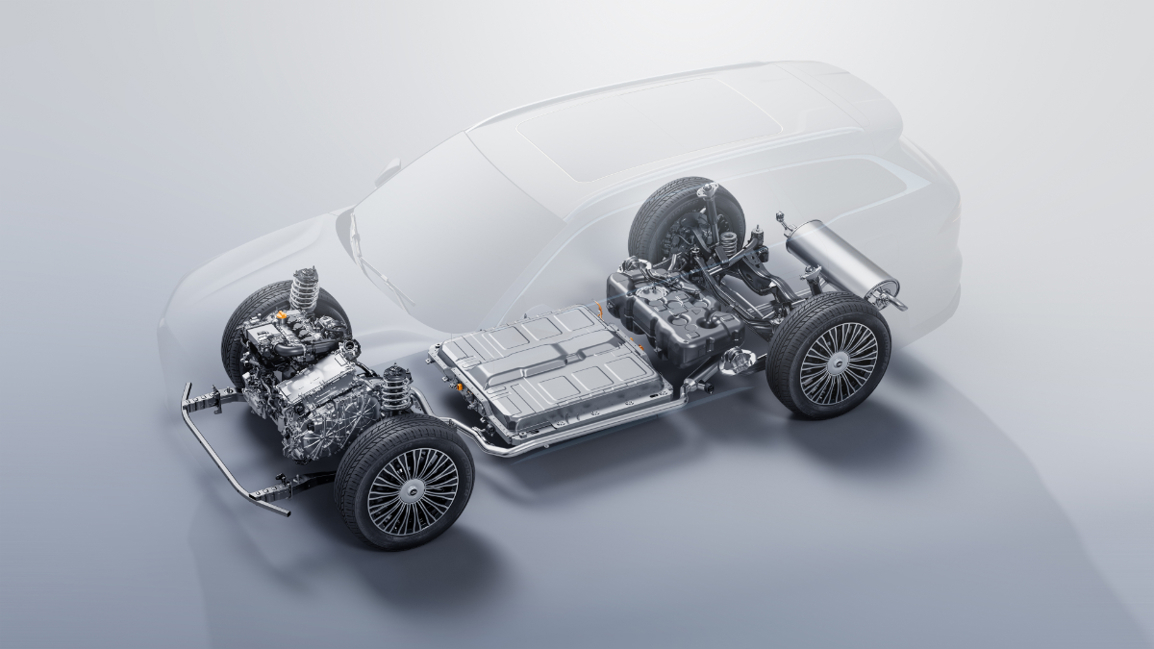
The OG method is hybrid electric (HEV), also known as “full hybrid”, “self-charging hybrid” or “series hybrid” if you want to sound really clever. This can provide drive solely on electric power for very short distances (1-2km), but mostly uses the battery to assist the petrol engine. It’s charged by recapturing energy normally lost in braking and deceleration, or sometimes even uses the petrol engine for a battery-boost when required. The perfect example is NZ’s best-selling vehicle, the Toyota RAV4.
Hybrids mostly use the battery to help the petrol engine; but super hybrids are all about electric drive, and the petrol engine is mostly there to help the battery.
There’s a HEV sub-group called range-extender, which has similar components and a similarly tiny battery, but only uses the combustion engine to make electricity in something close to real-time (with a battery buffer), keeping 100 per cent electric drive. The Nissan X-Trail e-Power is a good example. We digress, but that info will come in handy in a minute.
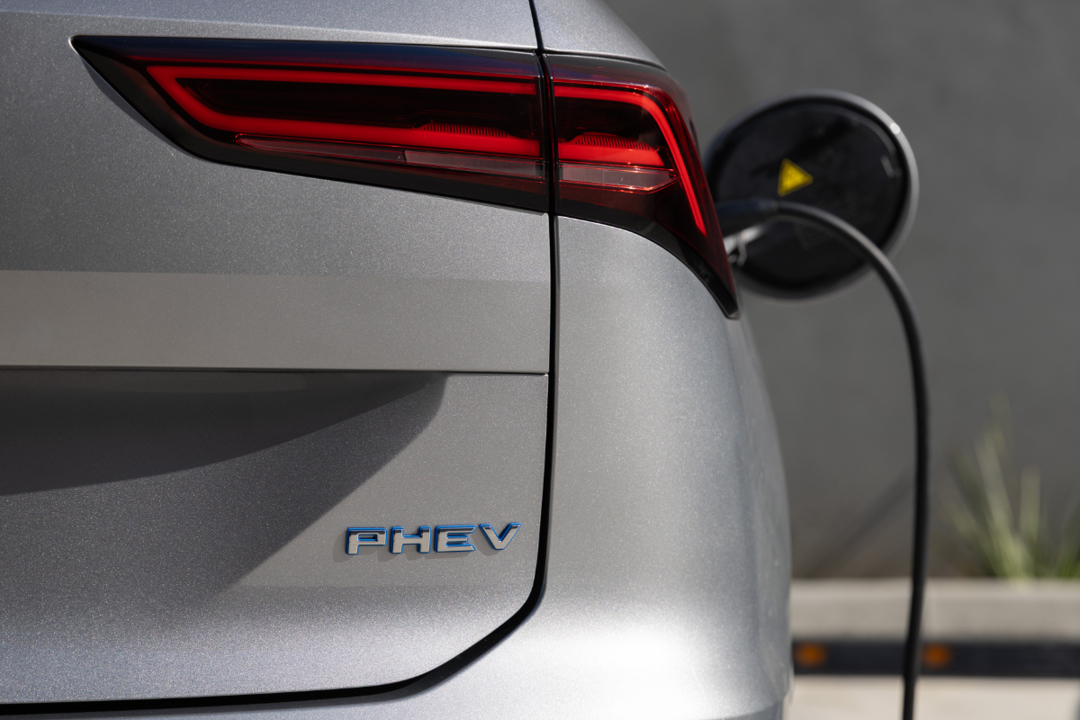
There’s also plug-in hybrid (PHEV) technology. The same thing really, but with a much bigger battery that you can also plug-in to replenish. A PHEV typically offers 50-100km of pure-EV driving, and when the battery’s depleted it reverts to hybrid operation. As above.
And that’s it. Oh hang on, that’s not it. If you’ve been paying attention to the Kiwi car scene in any way over the past two years, you’ll have heard a lot about “super hybrid” technology, from a variety of brands.
The rise of 'super hybrid'
The first thing we need to establish is that “super hybrid’ is a completely made-up term that’s been enthusiastically adopted by Chinese manufacturers to describe a new take on PHEV technology.
Super hybrid terminology is a completely made-up thing - but it's a thing nonetheless.
It’s a made-up thing… but a thing nonetheless. There’s nothing written in stone about what a super hybrid should be, or how it should work; each maker has its own version on the tech and its own super-hybrid-sub-terminology, much of which seems designed to confuse. But there is still a basic philosophy and way of working that unites all of these super hybrids – and makes them different from the HEVs and PHEVs we know so well.
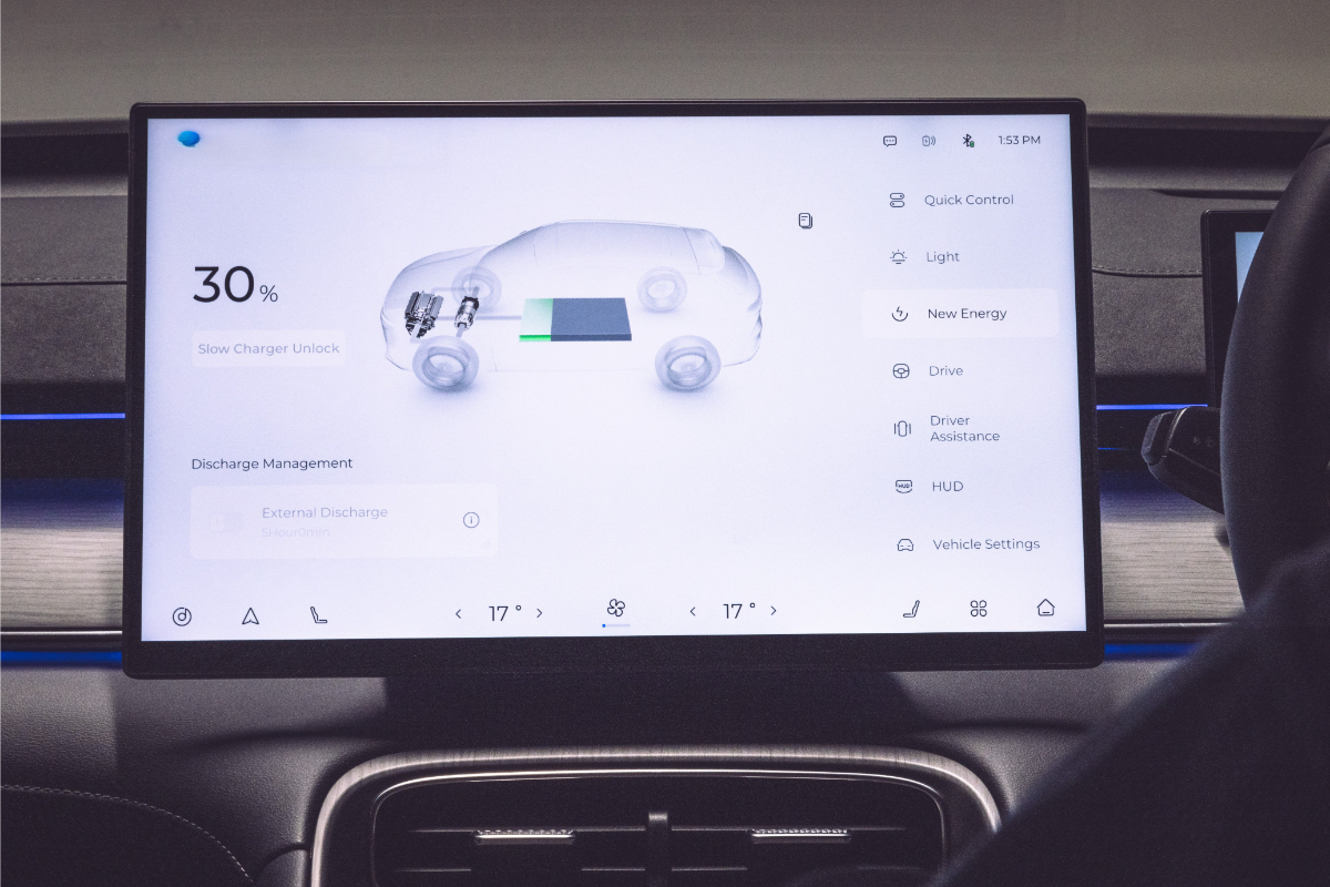
Think of it like this: a HEV or conventional PHEV will use what electric power it has, but when that’s gone you’ve essentially got a petrol engine that gets electric help from the battery reserve.
You won't find Super Hybrid badges on any of these cars. Makers all have their own names for their own versions of the technology.
In principle, a super hybrid flips the power flow. It’s all about electric drive, with the battery and electric motor(s) driving the car most of the time and the petrol engine just there to help, usually as a generator, only occasionally (and not in all cases) driving the wheels. In some respects, it’s a mashup of a PHEV and the range-extender we talked about above.
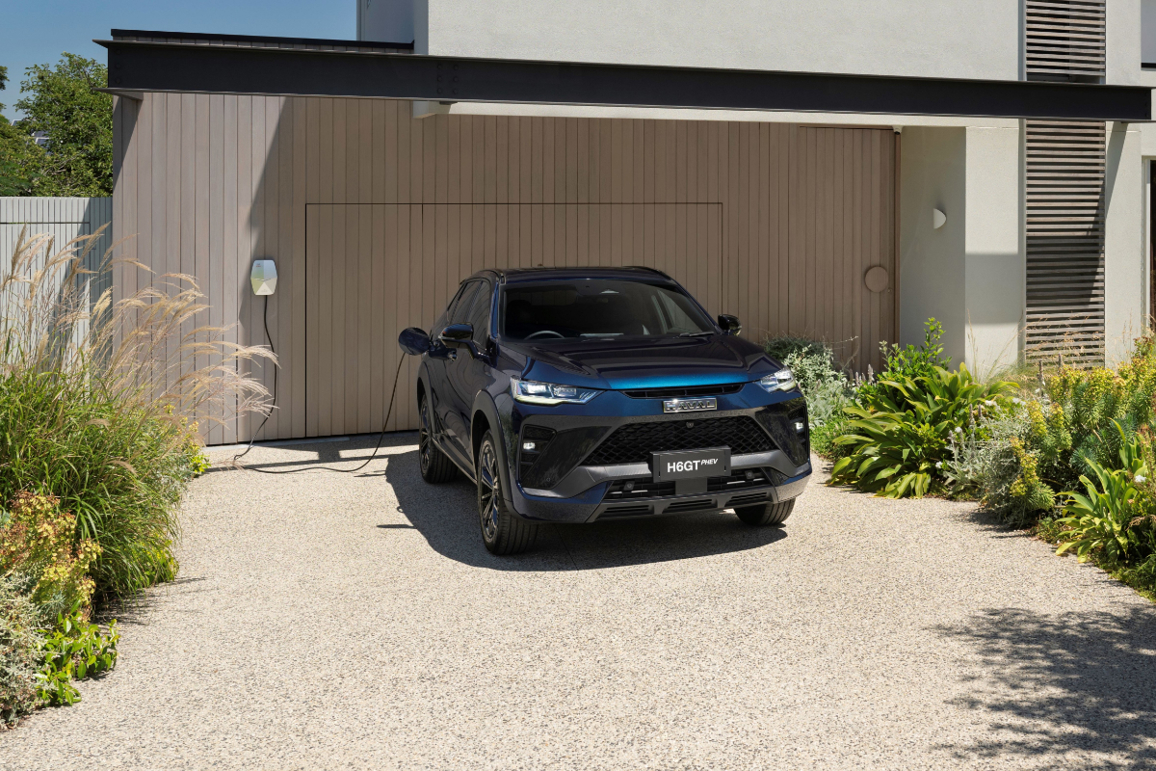
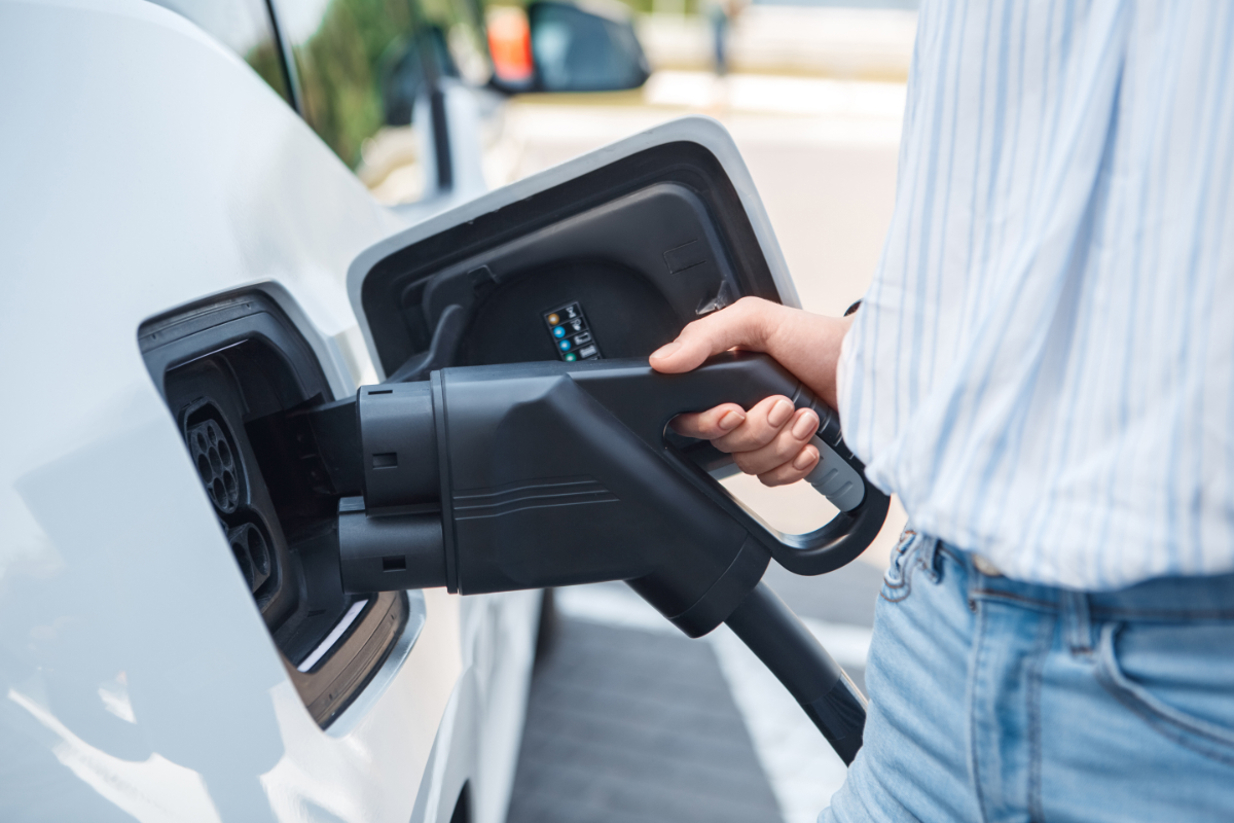
Because it’s all about an EV driving experience, a key part of the super hybrid package is usually a big battery. Most can cover 80-100km on electric alone, and most (again, not absolutely all) have DC fast-charge capability, which means you can plug in at public stations - just like you can with a full-EV.
Many conventional PHEVs also have a big battery and big EV range, but they’re still not super hybrids in this context because they rely primarily on the petrol engine when the battery is flat. It mainly drives the wheels, rather than making electricity.
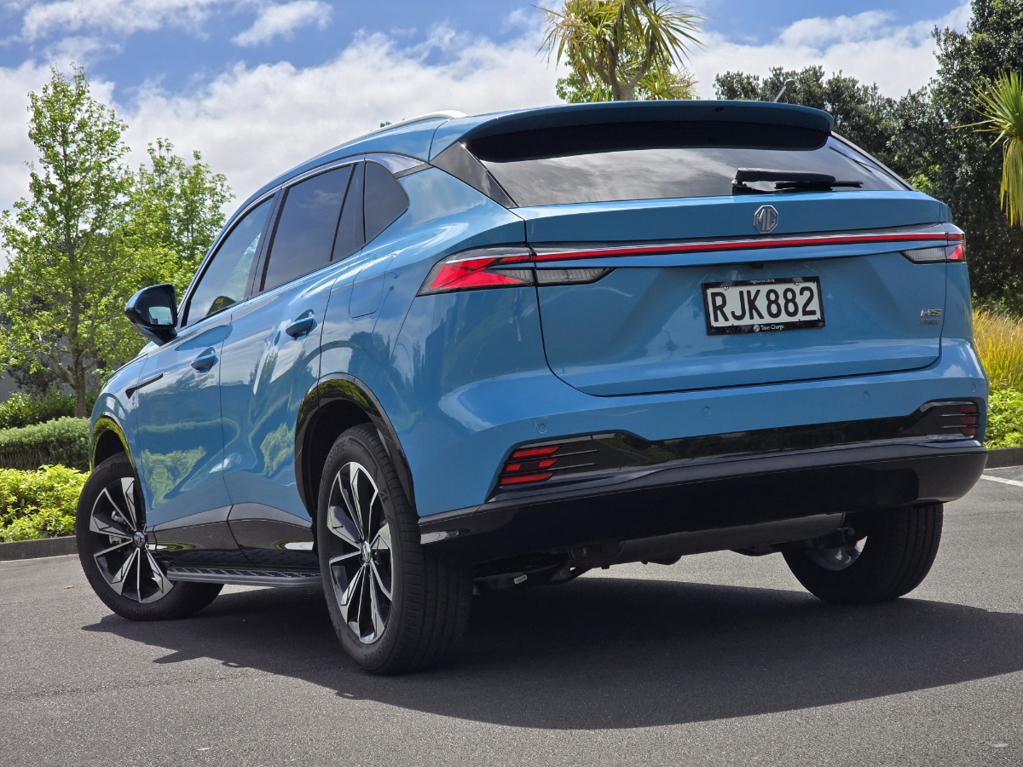
Another key element in these “super” machines is a hybrid transmission, which usually employs an internal electric motor. This tech can be extremely complicated (two or three internal gears that you’re not aware of as a driver, for example) and are often called dedicated hybrid transmissions (DHT).
The combination of a big EV range and a petrol generator means that even if you don’t plug-in on a trip, many super hybrids can achieve a combined range close to 1000km, or more in some cases.
Another great advantage of super hybrid tech is the potential for vehicle-to-load (V2L) functionality, meaning you can run external electrical items off the vehicle – possible not only thanks to a big battery, but also because the petrol engine can potentially keep it charged up even when stationary. Most super hybrids offer V2L in some form.
While many makers use the term in their marketing and communications, you won’t find physical Super Hybrid badging on any cars. At least not yet. Individual brands have their individual terminology for their individual versions of the tech.
Super hybrids in New Zealand
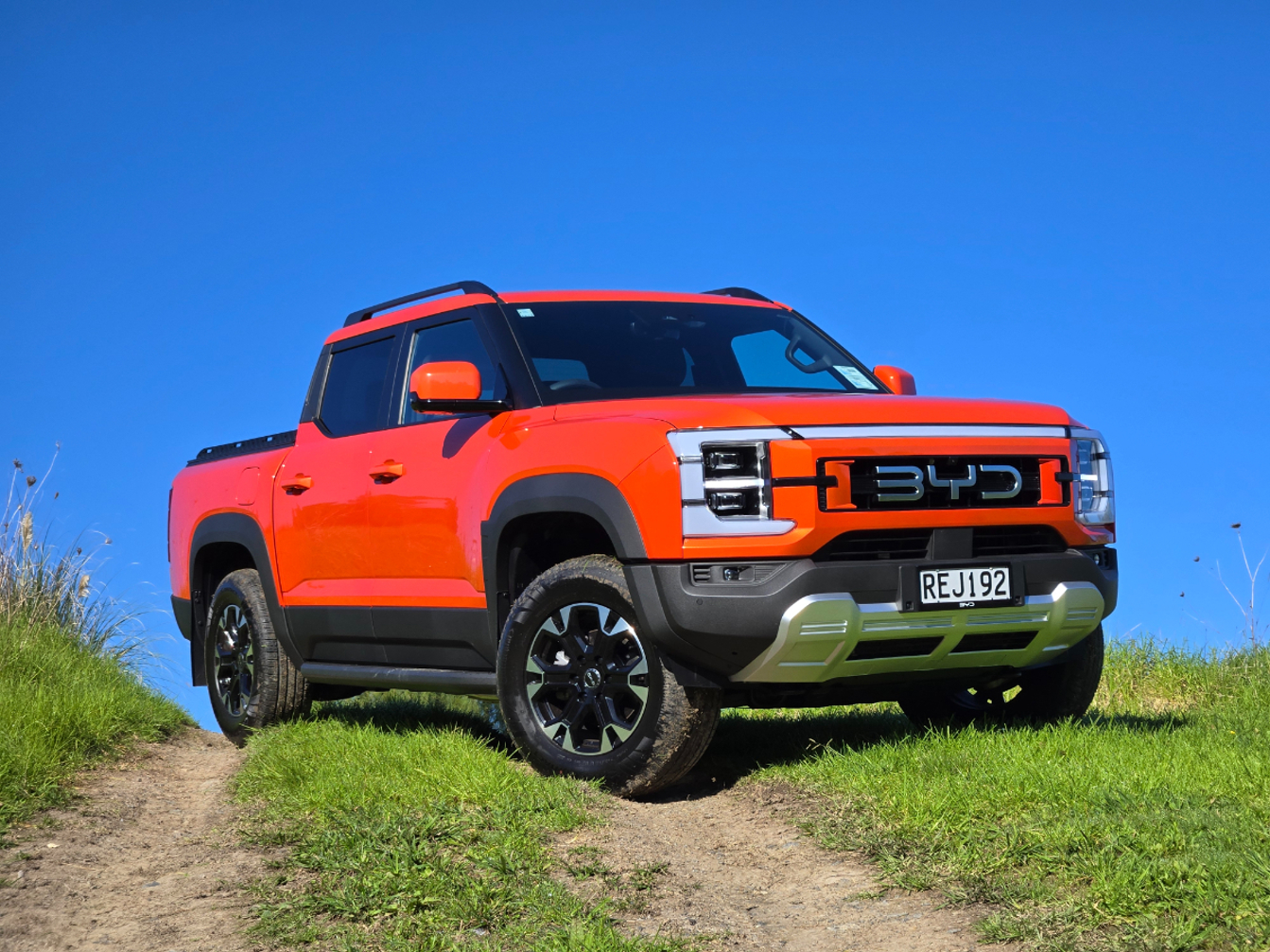
BYD was first to NZ with a super hybrid powertrain in the Shark 6 ute in 2024. It’s called DM-O, or “Dual Motor” (that’s the super hybrid bit, electric and petrol) and “Off-road”.
But the company also now has DM-i (“intelligent”) for the Sealion 5 and 6 SUVs, and DM-P (“Performance”) for the new Sealion 8 luxury SUV.
Chery advertises its Tiggo 7, 8 and 9 models as super hybrids and even has its own initialisation: CSH, for Chery Super Hybrid. But the cars are still badged “Plug-In Hybrid”.
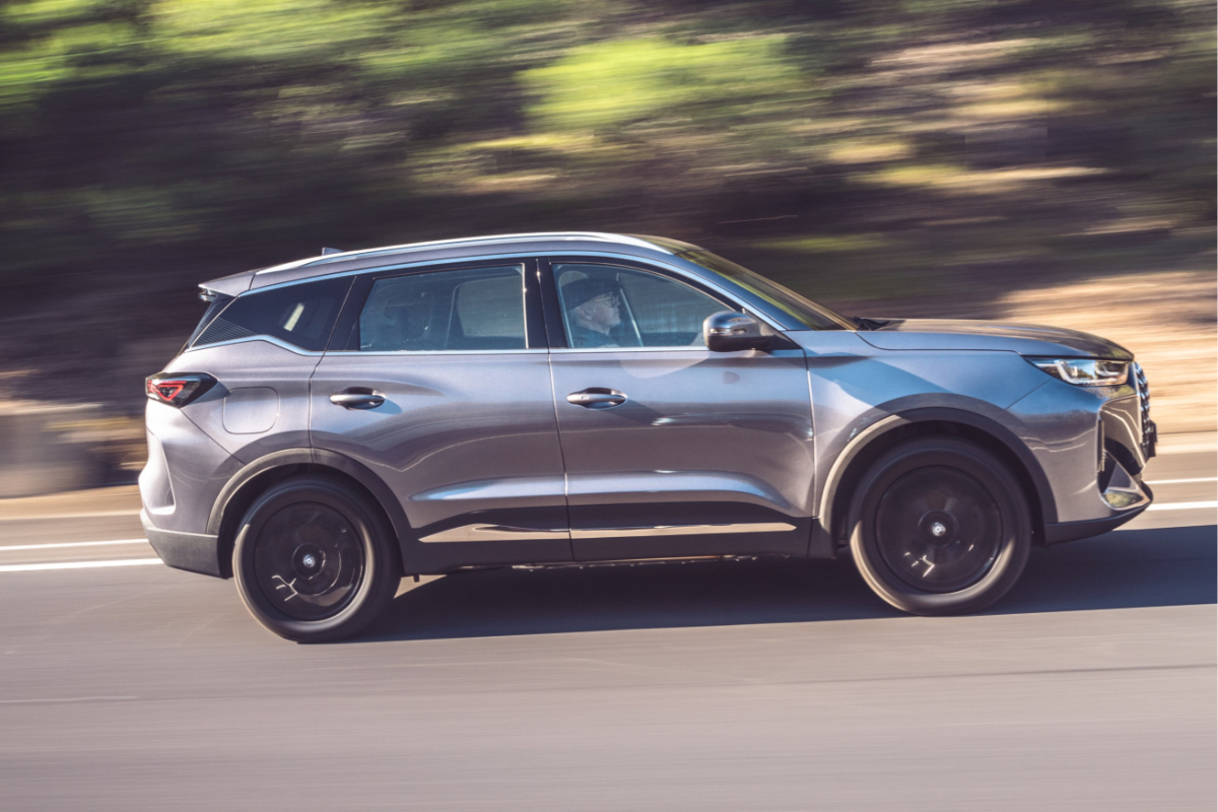
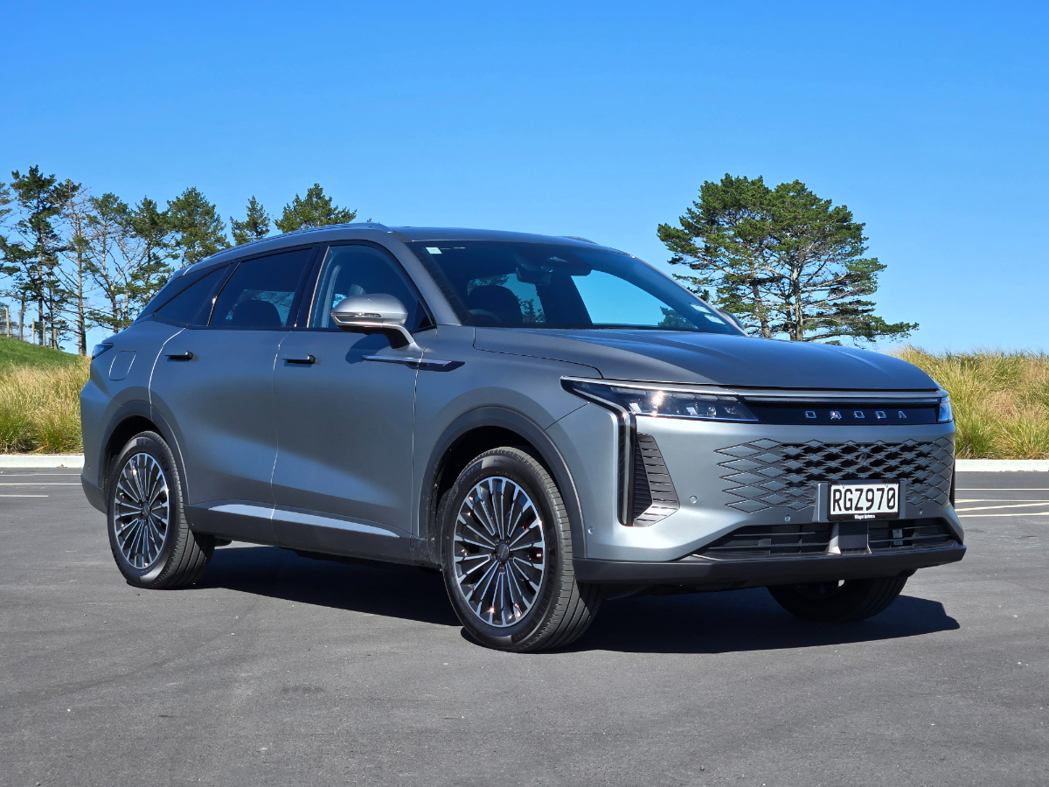
Chery’s sub-brands Jaecoo and Omoda both have models under the SHS (Super Hybrid System) banner: the compact J7 and the luxury-oriented 9 from the latter, which features an astonishingly complicated and powerful triple-motor arrangement.
Geely, via the Kiwi Nordeast group of brands, offers the Starray EM-i. It’s essentially a super hybrid alternative to the EX5 EV, and the company has been clear that it sees the model as the key to achieving its volume aspirations in NZ.
MG has just one super hybrid, a version of the HS medium-SUV, but that’s badged “PHEV”. The same goes for GWM Haval and its H6 (including the GT coupe version), although GWM is one of the few companies that doesn’t actively use the super hybrid tag to describe its cars.
The wild card to finish is the Leapmotor C10 Ultra Hybrid. Also sometimes called a REEV (range extended electric vehicle), it’s 100 per cent electric drive, with the petrol engine only ever used to make electricity.
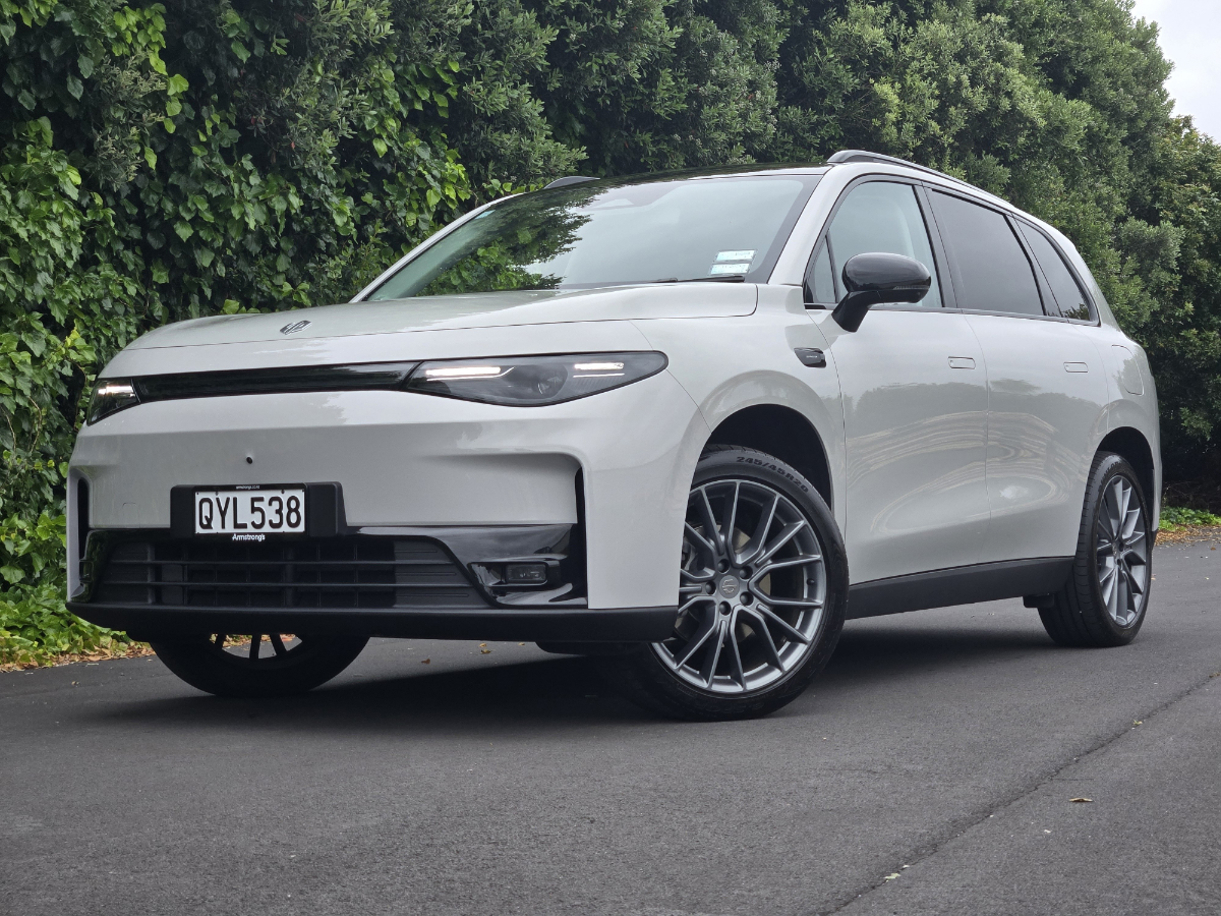
But it still has plug-in power and a massive EV range, and it still fits the super-hybrid bill.
Do you really need to plug in a super hybrid?
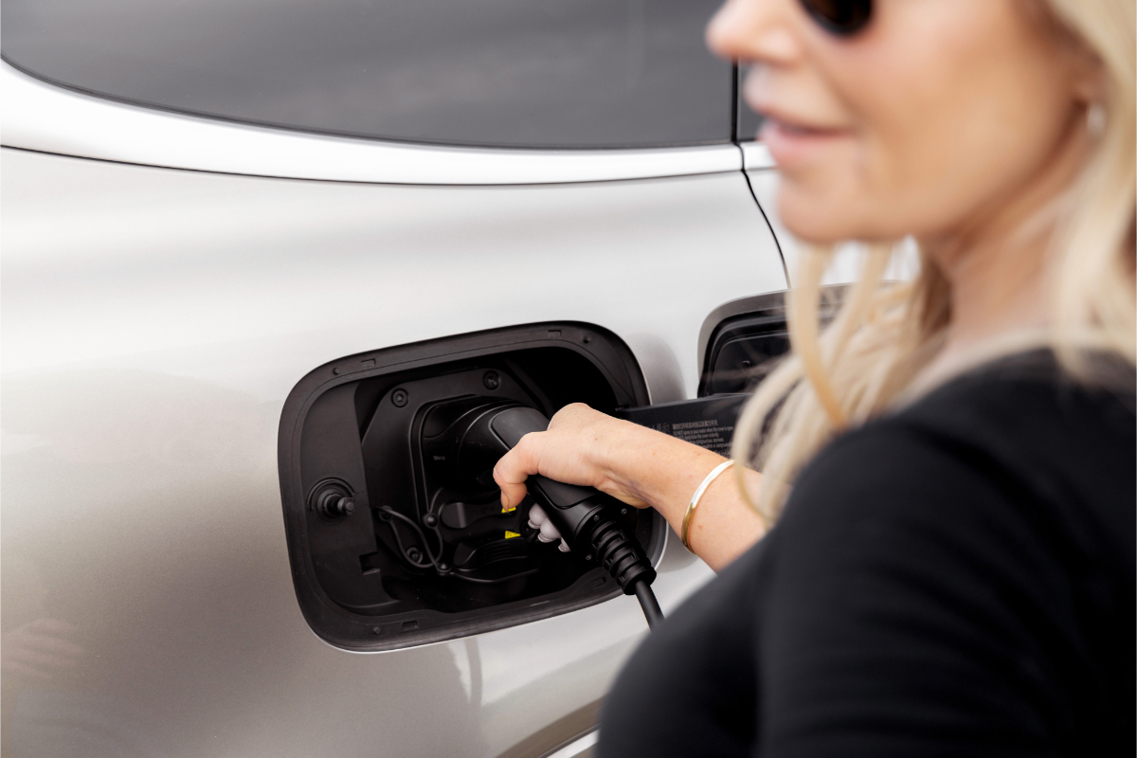
In our opinion, yes, although some makers say that because the engine is mainly tasked with charging the battery, it’s not strictly necessary.
That’s correct... in theory. And the beauty of any kind of PHEV technology is that if you can’t plug-in on a journey for any reason, you can just keep going on petrol. No range anxiety.
But super hybrids have huge batteries and if you’re not exploiting that whenever you can, you’re not getting maximum performance and maximum efficiency. In fact, a super hybrid is arguably less efficient than a conventional PHEV when it’s flat, because you’re carrying more weight around, with no battery charge to help.
What’s the future for super hybrid technology?
The growth in super-hybrid model choice in the last two years has been truly remarkable. But it’s also a fact that among the 35 per cent market share for hybrids year-to-date in NZ, just 4.4 per cent is PHEV… of which super hybrids are a sub-group. So it’s a slow charge for now.
But elements of super hybrid technology are also finding their way into HEVs. Both GWM and MG use dedicated hybrid transmissions across a number of conventional full-hybrid models, intensifying the electric-drive component without increasing battery size or adding a plug.
Super hybrid shopping list
- BYD Sealion 5 $39,990-$45,990
- BYD Sealion 6 $59,990-$67,990
- BYD Sealion 8 $74,990-$91,990
- BYD Shark 6 $69,990
- Chery Tiggo 7 $39,990-$43,990
- Chery Tiggo 8 $48,990
- Chery Tiggo 9 $66,990
- Geely Starray EM-i $45,990-$49,490
- GWM Haval H6 $48,990-$51,990
- Jaecoo J7 SHS $46,990
- Leapmotor C10 $47,990
- MG HS $52,990-$56,990
- Omoda 9 $65,990