



- Bentley will use 100% Sustainable Aviation Fuel for all customer car airfreight worldwide.
- SAF can reduce lifecycle CO₂e emissions by up to 70–95% compared with conventional jet fuel.
- The initiative forms part of Bentley’s Beyond100+ strategy to achieve long-term net zero.
Bentley Motors has pledged to use 100% Sustainable Aviation Fuel (SAF) for all customer car airfreight worldwide, marking a significant shift in how the luxury brand manages emissions from time-critical deliveries.
The move applies immediately and forms part of Bentley’s broader Beyond100+ strategy, which targets long-term Net Zero across operations and the wider value chain.
Cutting emissions where flights are unavoidable
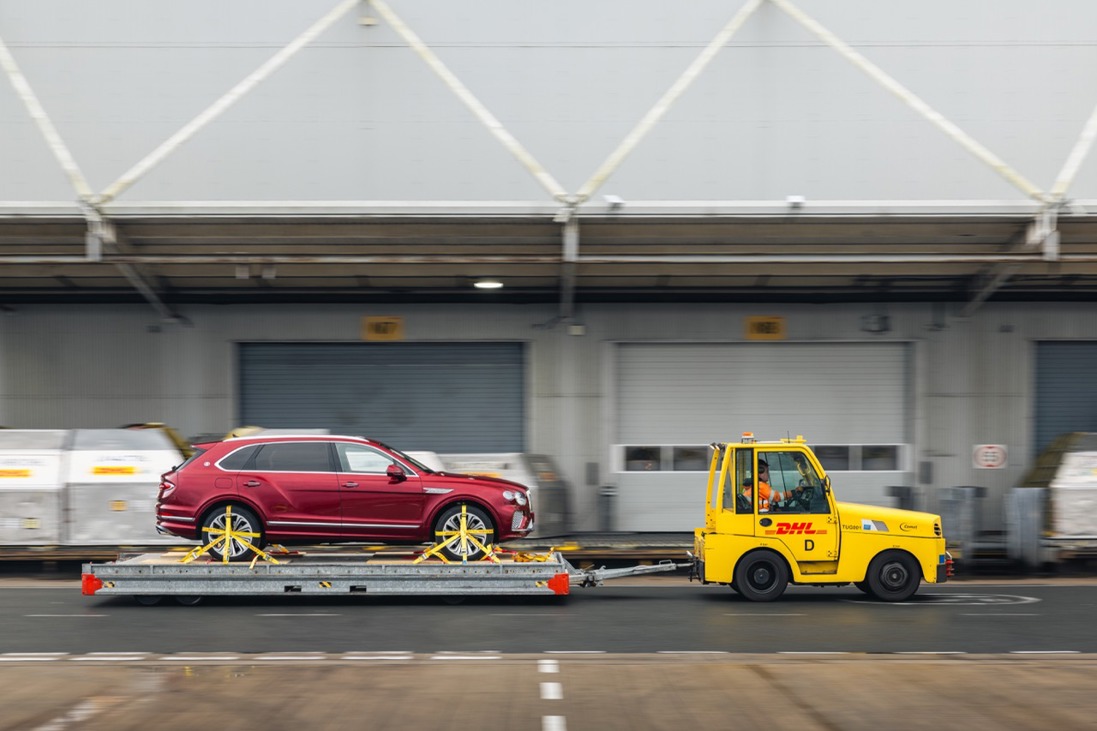
Bentley says airfreight is used sparingly, typically for customer-requested or time-sensitive movements, but acknowledges that air transport generates substantially higher emissions than sea freight.
By switching to ISCC-certified SAF for those essential flights, the company aims to reduce the environmental impact without compromising delivery standards.
Aimee Kelly, Head of Sustainability at Bentley Motors, said: “Our transition to using certified Sustainable Aviation Fuel across all customer car airfreight movements reflects how we are taking measurable, evidence-based steps to reduce emissions in the parts of our logistics network where flights remain necessary.”
She added that SAF can deliver “significant, independently verified reductions in life-cycle CO₂e emissions compared with conventional jet fuel,” describing it as “a meaningful lever within our wider decarbonisation strategy.”
Up to 95% lifecycle CO₂e reduction
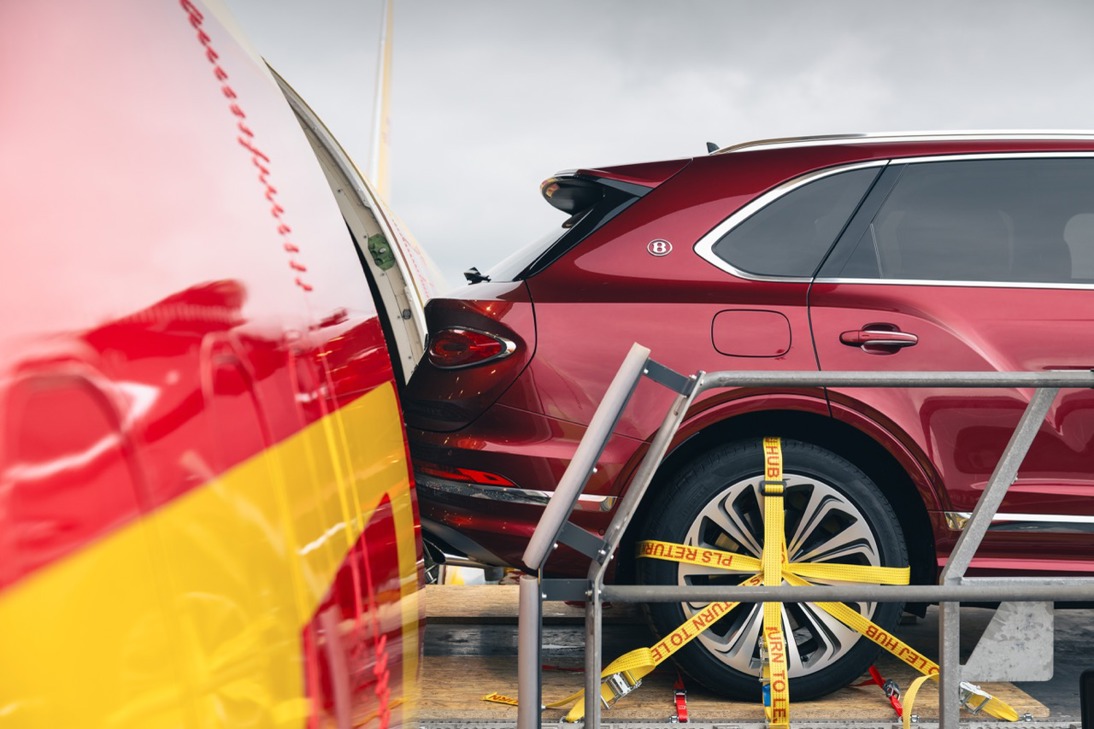
Sustainable Aviation Fuel is produced from renewable or waste-based feedstocks and can be used in existing aircraft and airport infrastructure without modification.
Depending on the raw materials and production methods, SAF can reduce lifecycle CO₂e emissions by up to 70–95% compared with conventional jet fuel.
Bentley confirms it has already transported customer vehicles using SAF, achieving substantial well-to-wheel CO₂e reductions relative to standard aviation fuel.
At present, the commitment covers all customer car airfreight movements, with early exploration underway to expand SAF use across additional logistics routes where air transport is required.
The initiative is positioned as a key step in decarbonising Bentley’s end-to-end supply chain and aligning its logistics operations with the Beyond100+ roadmap, which will ultimately see the brand transition to an exclusively electric product line.

