



- BMW celebrates 50 years of the 6 Series with a new museum exhibition.
- Original 6 Series (1976–1989) defined BMW’s “sharknose” design era.
- Iconic coupé featured in motorsport, film and BMW Art Car history.
BMW is marking 50 years of its 6 Series with a new exhibition at the BMW Museum in Munich, celebrating one of the brand’s most recognisable (and enduring) coupé nameplates.
The display, now open and running through to January 2027, traces the lineage of the 6 Series from its 1976 debut through to its cultural and motorsport highlights. It replaces a previous special exhibition and follows a record-breaking year for museum visitors, with more than 847,000 guests passing through in 2025.
Sharknose, style and staying power
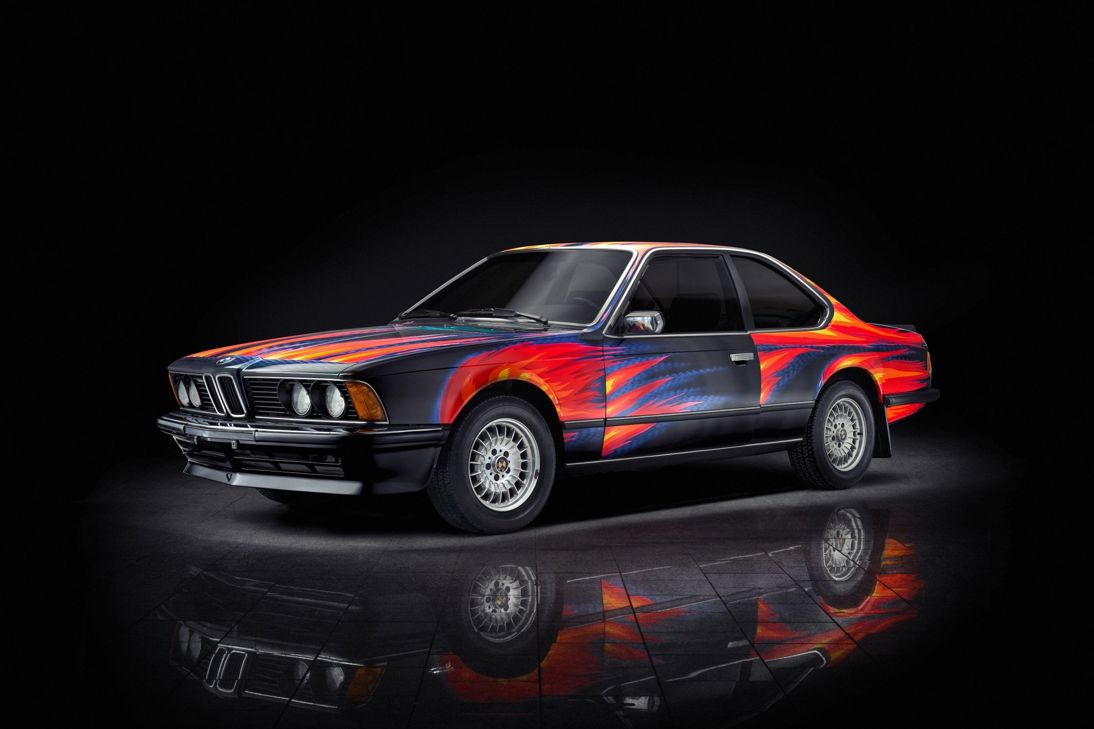
The original 6 Series made its entrance in the mid-1970s as a sleek grand tourer, borrowing its underpinnings from the 5 Series while carving out a more expressive identity. Its defining “sharknose” front end that's sharp, low and unmistakably BMW quickly became a signature design cue.
Produced exclusively as a coupé from 1976 to 1989, the first-generation model also holds the distinction of being one of BMW’s longest-running nameplates, with a 13-year production span. Over time, it evolved into a benchmark for combining long-distance comfort with sporting intent.
Helmut Käs, Head of BMW Group Classic and BMW Museum, sums it up neatly: “For five decades now, the BMW 6 Series has been a paragon of elegance, sporting potency and long-distance comfort.”
From racetrack to silver screen
The exhibition also dives into the 6 Series’ wider cultural footprint. A dramatic “floating” body installation outside the museum sets the tone, while inside, the car’s appearances in film and television take centre stage.
The 6 Series has featured in productions ranging from Back to the Future II to Dallas, earning a reputation as a car with presence rather than pure aggression. As the exhibition curators note, “It is no ‘off-the-peg’ solution… rather, the 6 Series is a car rich in character.”
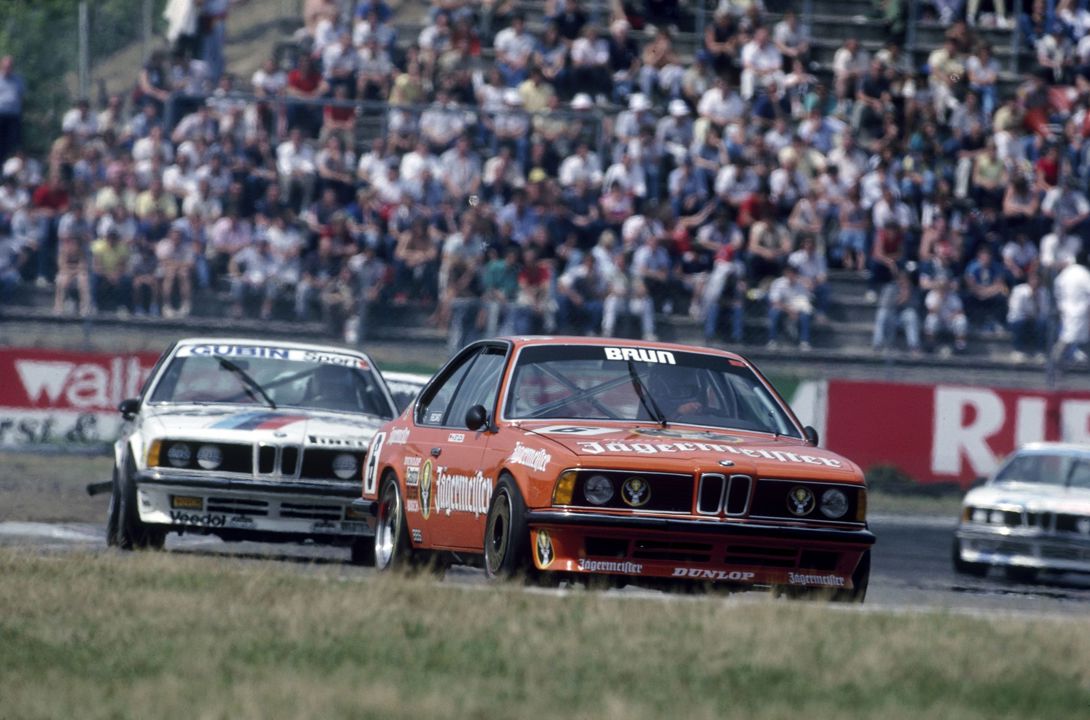
Motorsport also forms part of the story. The 635CSi competed in Group A touring car racing, securing major titles in the mid-1980s, while road-going variants like the M635CSi pushed performance boundaries for four-seat cars of the era.
Icons on display
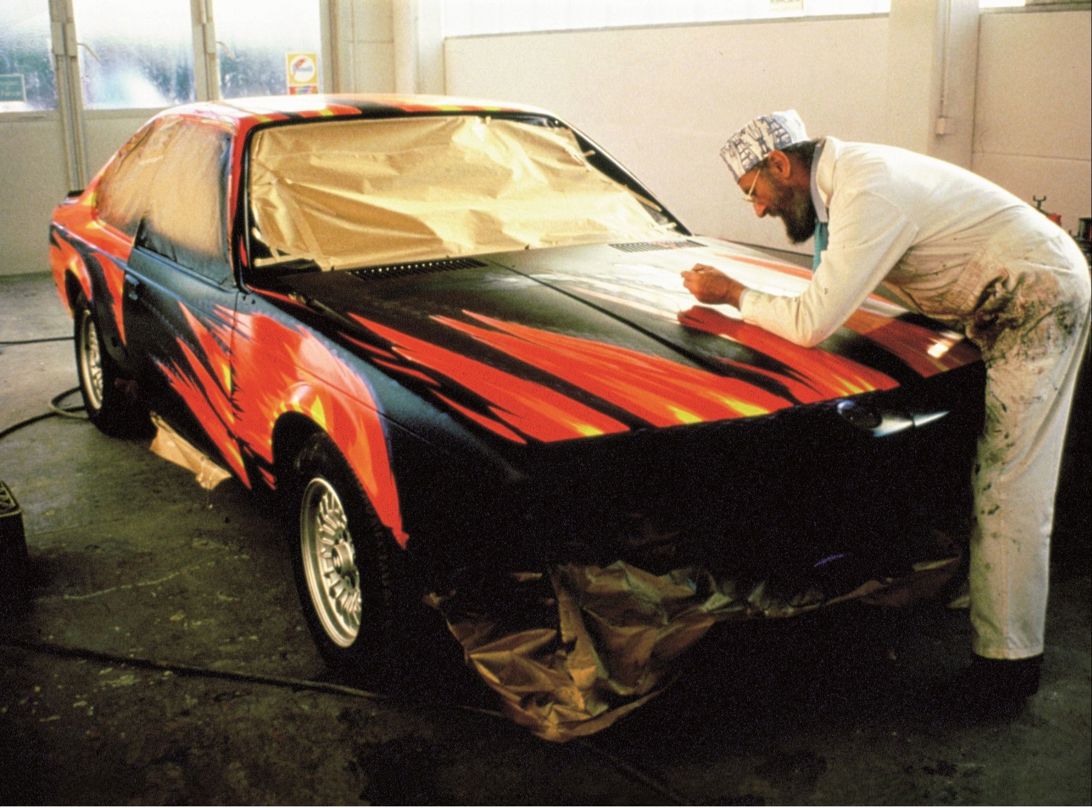
Among the highlights are several key models, including a 1982 628CSi, a 1985 M635CSi and early examples like the 633CSi. BMW’s Art Car programme also gets a nod, with specially commissioned 635CSi models by artists Ernst Fuchs and Robert Rauschenberg forming part of the rotating display.
Together, they paint a clear picture: the 6 Series helped define BMW’s approach to style, performance and identity across decades.


