



- Megawatt charging can 'fill' a typical EV to 400km range in 5 minutes.
- First compatible cars to arrive in NZ at the end of the year.
- 'Dual gun' technology can adapt existing charge tech to full 1000W.
BYD New Zealand says it will have cars capable of charging at up to 1000kW (one megawatt) in the country as early as this year, with the beginnings of a charging infrastructure to follow.
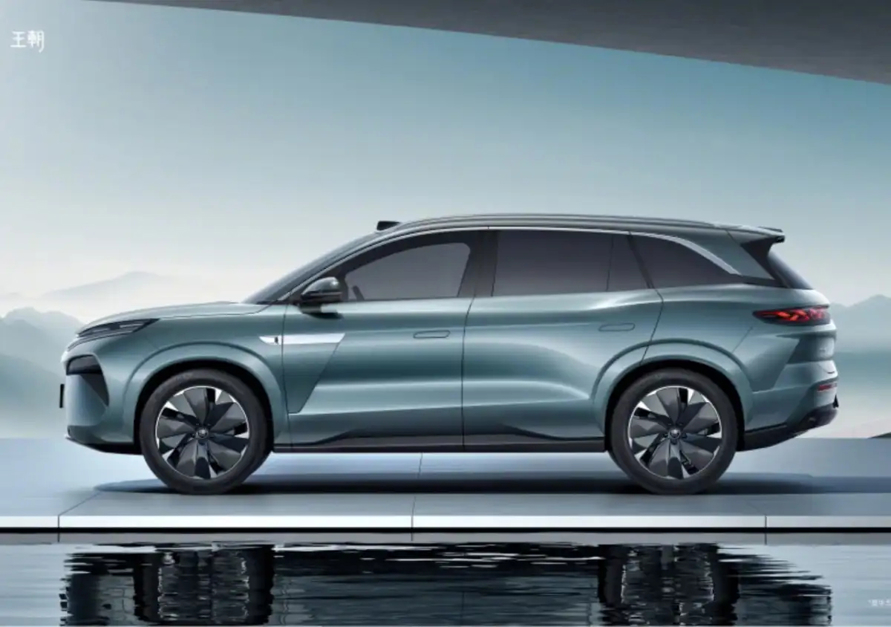
For context, BYD's current Sealion 7 SUV can charge at a maximum rate of 150kW. ChargeNet's fastest Kiwi Hypercharger DC stations can deliver up to 300kW, although there's only a select group of EVs that can accept that speed (some can theoretically do more though, such as the Zeekr 7X).
According to BYD, megawatt charging means a charge from full to flat for a typical EV in much less than five minutes - arguably not far off the amount of time it takes to fuel a petrol or diesel vehicle. BYD claims 2km of range per second.
“It’s what we call 'flash charging', says BYD NZ general manager Warren Willmot. "We have a number of cars coming, hopefully by the end of the year, that will charge from flat to full in under 4 minutes. One megawatt charging.
"This changes the whole nature of using a BYD. If we get these chargers set up through the country, you don’t need to have a charger at home any more. It will completely change the way people use [the cars]."
To make megawatt charging happen, you need special EV technology and (sort of) special charging stations.
What BYDs can charge at 1000W?
BYD has launched two cars in China already on what it calls the Super e-Platform, the Han L and Tang L. The latter will look familiar to Kiwis, as it's a luxury-EV version of the Sealion 8 just launched here.
Both have the architecture and technology necessary to accept up to 1000kW of charge, including a "Flash Charging Battery" with ultra-fast ion channels, reducing the battery's internal resistance by 50%. Many future BYD and Denza models will also adopt the Super e-Platform.
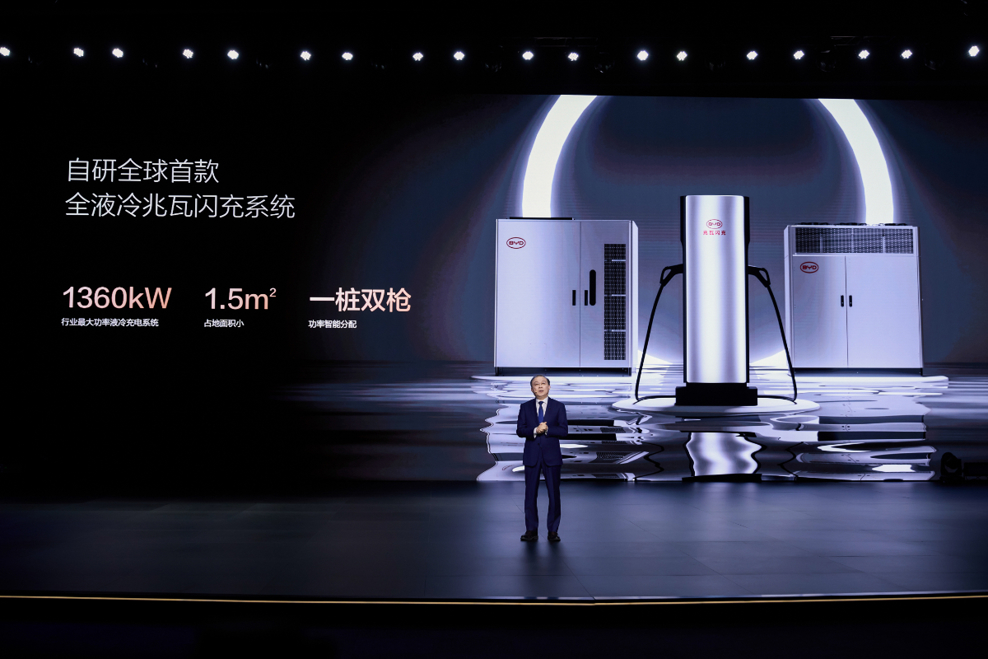
For China, BYD has designed a Megawatt Flash Charging terminal system, which is capable of outputting 1360kW. It has plans to roll out 4000 of these stations across the country, but more importantly it wants to establish Megawatt infrastructure in many different countries - including NZ.
How Kiwi megawatt EV charge stations will work
The charge stations do not have to be the bespoke terminals used in China. BYD has developed a "dual gun" setup that can be used to adapt existing DC charge technology to achieve full 1000W charging. That's right: two guns plugged into the car at the same time, one each side.
According to Willmot, these stations are also massive storage banks, fed by the normal electricity supply: "So there’s no extra strain on the NZ power grid. It’ll fill up to 10 vehicles before those batteries need to be recharged."
BYD NZ's three new key technologies
Megawatt charging is one of three "key technologies" BYD is focusing on for NZ, says Willmot.
It's currently trialling Connected Car Data with global vehicle data aggregator Compass loT, a project funded by NZTA Waka Kotahi. It's flowing data from live vehicles for a variety of potential fleet management purposes, including the digital road user charges (RUC) system scheduled to come into effect in 2027.
The company says key benefits include real-time location, proactive alerts for geofencing and maintenance, enhanced safety and driver coaching, and battery degradation tracking. Willmot says the technology can even be used to monitor air quality in various locations, via the car's sensor-equipped ventilation system.
Connected Car Data is currently being tested by Carbn NZ, which runs a fleet of over 300 BYD vehicles.
The third key technology is vehicle to grid (V2G): essentially the ability to use a vehicle to power a home or commercial building.
"We're doing trials right now, but this will be a standard technology on our models from 2027," says Willmot. "It does require physical hardware change, but it does also change what we are selling. We're no longer selling cars, we're selling cars that are also home batteries.
"The idea is that you can charge your car at night when you have cheap power, flick over to reverse it, and run your home during the day or whatever, from your car.
"All of our cars wil have V2G, even our hybrids. It will really change the way we think about cars and the industry."