



- Ford’s forthcoming midsize electric ute will ride on an a brand-new platform.
- The new architecture reduces electronic control modules from around 70 to five.
- Simplified zonal systems aim to cut wiring, weight and production costs.
Ford is preparing a new generation of affordable electric vehicles, headlined by a midsize electric ute widely expected to start at US$30,000 (currently around NZ$50K), and the headline isn’t just price.
Underpinning the new model will be Ford’s Universal Electric Vehicle (UEV) platform, designed to dramatically simplify the electrical architecture compared with the company’s first wave of EVs.
From 70 modules to five
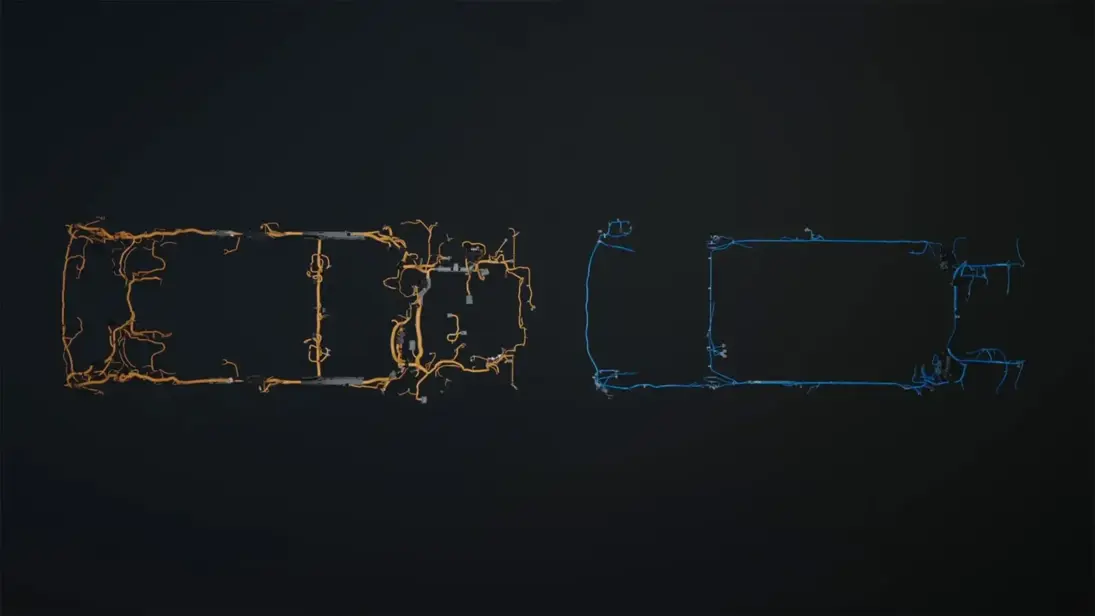
Ford’s F-150 Lightning, developed on a legacy truck platform, uses roughly 70 electronic control modules (ECUs). That reflects its fast-tracked development and the complexity of integrating EV hardware into an architecture originally designed for combustion.
By contrast, Ford says its upcoming midsize electric ute will rely on just five master control modules. The shift mirrors trends among EV-focused brands, where centralised, zonal electrical systems replace dozens of independent modules supplied by multiple vendors.
Reducing module count cuts wiring length, component complexity and overall mass. It also allows greater in-house control over software and integration, rather than relying on numerous third-party suppliers to make separate systems communicate.
Ford’s approach effectively leapfrogs rivals such as Rivian, whose latest R1T and R1S models operate with seven primary control modules following their own architecture overhaul.
‘The best part is no part’
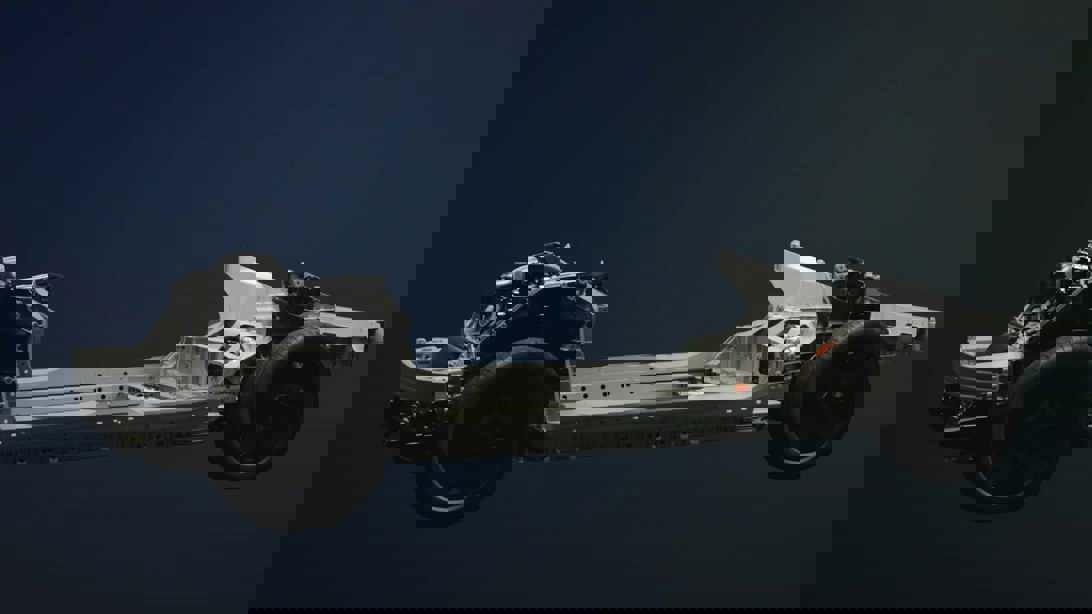
The simplification extends beyond software. Ford engineers have adopted the mantra “The best part is no part”, focusing on consolidating functions into fewer, more integrated components.
That means fewer single-purpose parts and more multi-function structures, reducing assembly complexity and potentially lowering production costs. For a vehicle targeting a lower entry price, those savings matter.
The new electric ute is positioned as a more attainable alternative to higher-priced electric pickups, while still incorporating advanced electrical architecture.
Ford has also signalled that this simplified platform is part of a broader competitive strategy, as global EV competition intensifies, particularly from China, where government-backed manufacturers are pushing aggressively into export markets.
While full specifications have yet to be detailed, the UEV platform represents a significant departure from Ford’s earlier EV efforts. If the company delivers on its cost and complexity targets, the result could be a more accessible electric ute that relies on smarter architecture rather than sheer hardware volume.