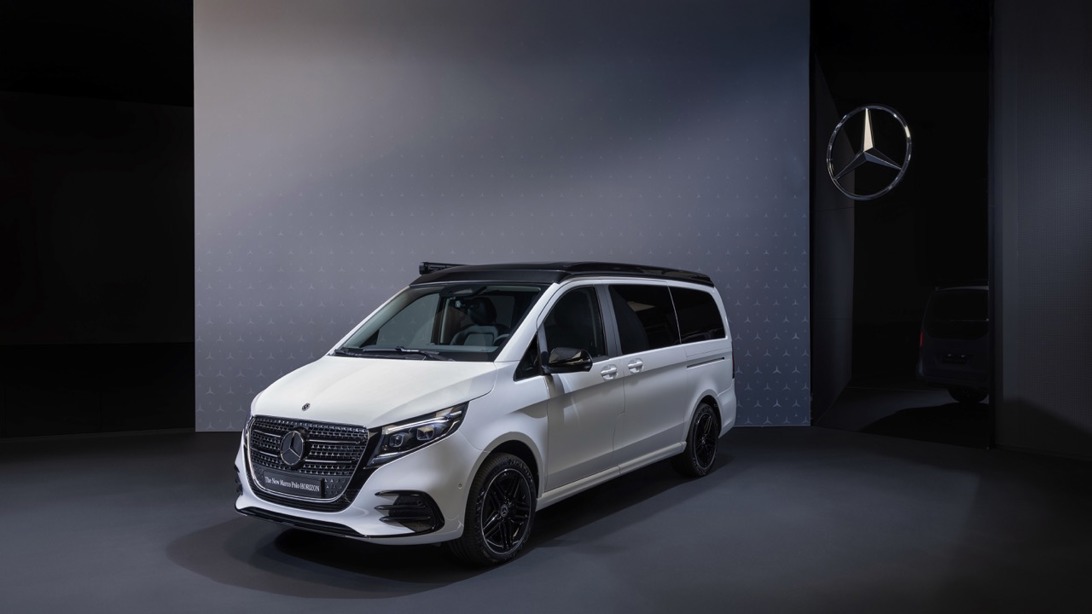



- Mercedes has confirmed a Marco Polo update focused on living-area comfort and connectivity.
- Revised pop-top roof uses aluminium double-shell construction, with rear bellows 100mm taller.
- V-Class bases are built in Vitoria, Spain, then converted in-house at Ludwigsfelde, Germany.
Mercedes-Benz has lifted the lid on an updated Marco Polo campervan, promising a more comfortable, smarter and higher-quality take on its compact “glamping” favourite ahead of the 2026 model year.
The focus this time isn’t a radical rethink, but a careful polish of the details that matter most when a van doubles as both daily driver and rolling bedroom.
More home than hotel room
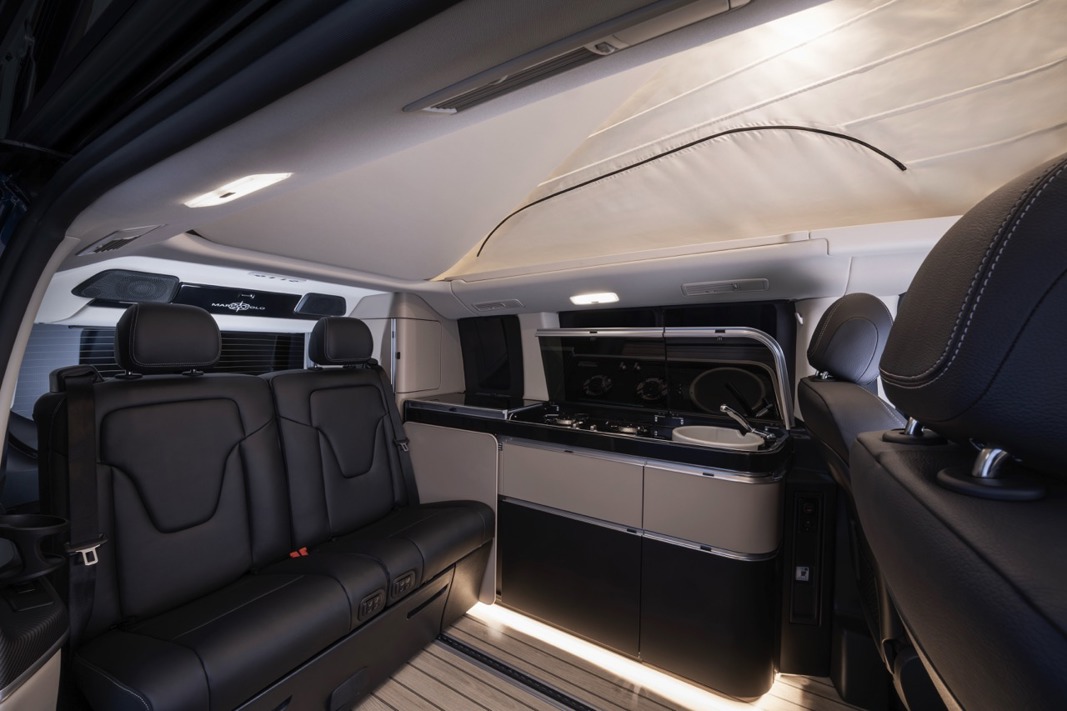
The biggest changes live where owners spend their downtime. Mercedes-Benz says the Marco Polo’s living and sleeping areas have been refined to feel more “at home” than ever.
A newly developed pop-up roof uses a lightweight aluminium double-shell construction, improving insulation and stability in rough weather.
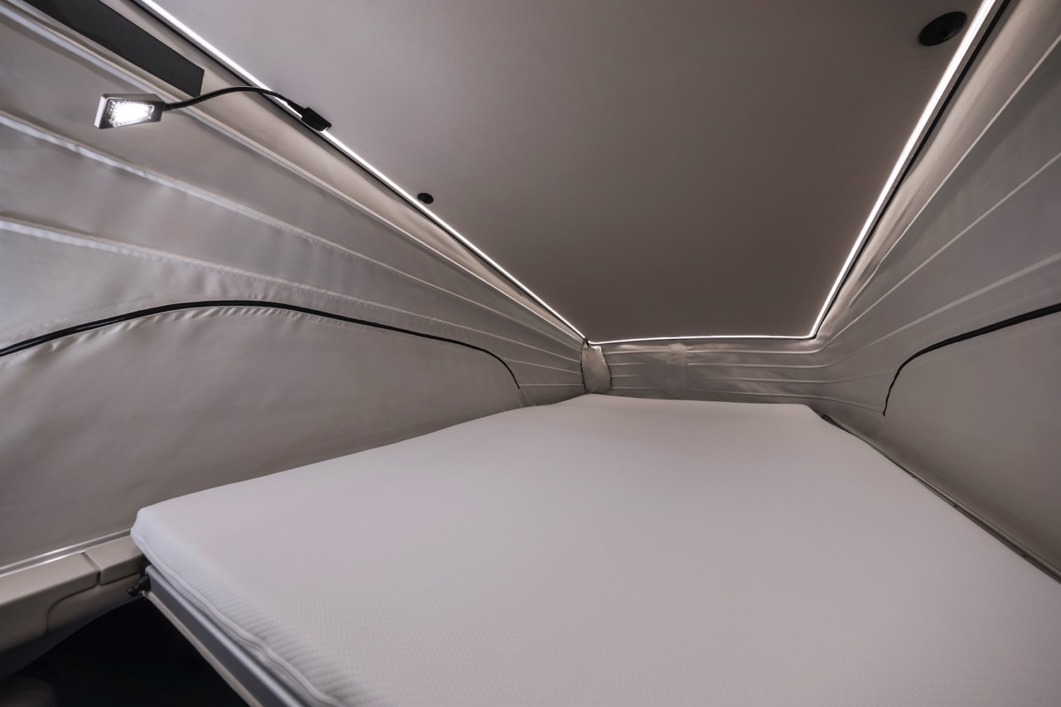
The folding bellows at the rear are now 100mm higher, which should translate into noticeably better headroom and sleeping comfort upstairs.
Lighting also gets a rethink. Integrated LED ambient lighting around the pop-up roof offers selectable moods, from bright and energising to warm and relaxed. There’s also a new sliding roof, available from the second half of 2026, that brings extra daylight by day and a clear view of the night sky after dark.
Smarter camping, less fiddling
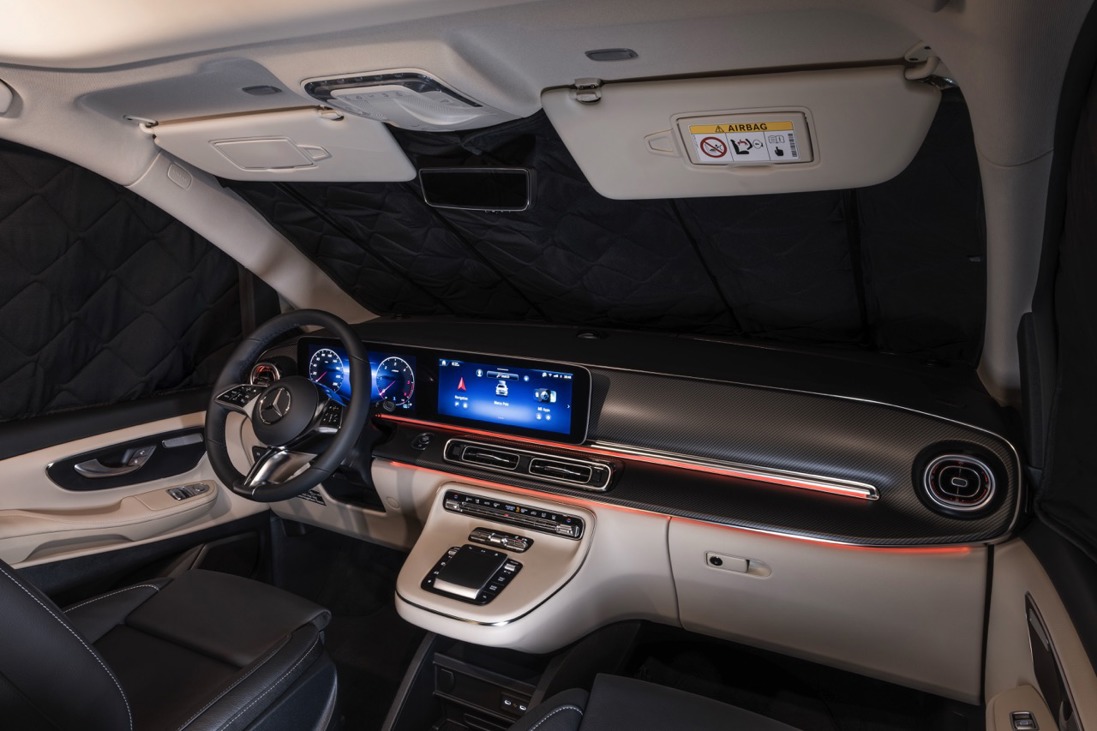
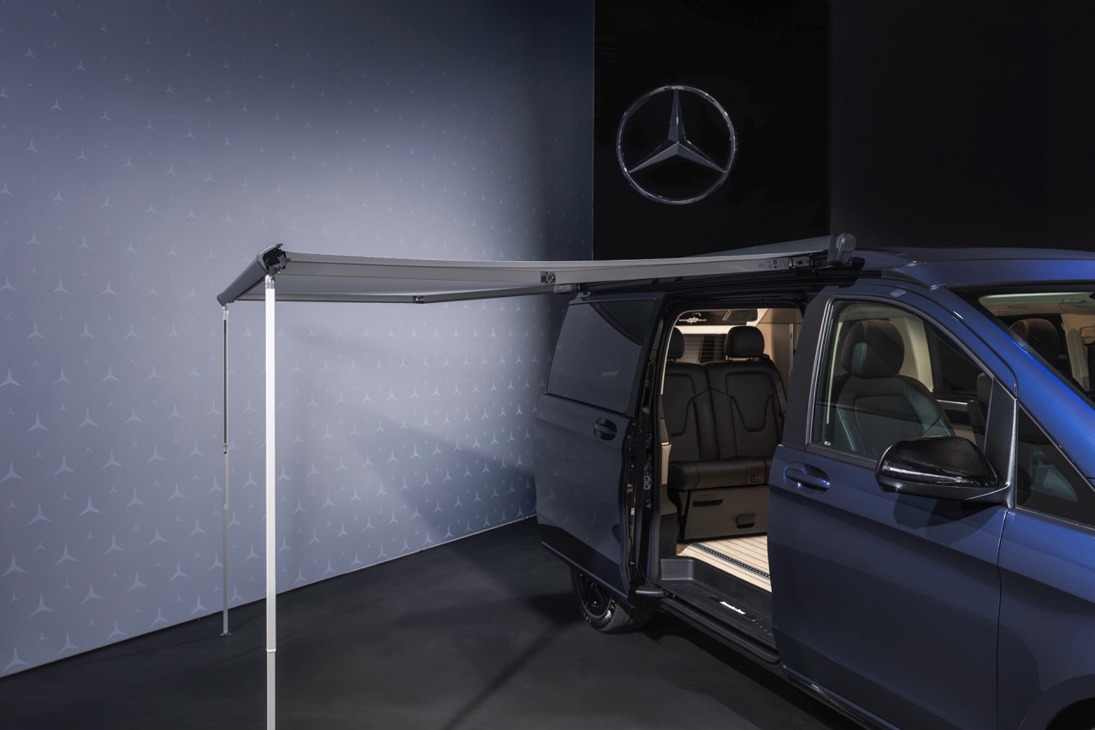
Mercedes-Benz hasn’t ignored the practical annoyances of camper ownership either. The awning system has been redesigned so it can be fully removed when not needed (handy for car washes), and its winding handle now stores neatly in the mounting. New magnetic blackout panels promise quicker setup and better privacy, particularly in the cab.
Inside, the Marco Polo’s infotainment and connectivity step up a notch. A revised eight-speaker sound system with subwoofer is tuned specifically for the camper, and Bluetooth playback works even when the main infotainment system is switched off.
The Mercedes-Benz Advanced Control system has also been expanded, allowing features such as the roof lighting, sliding roof and audio to be controlled via the central screen or smartphone app.
Built in-house (and what comes next)
For the first time, the Marco Polo conversion is handled entirely within Mercedes-Benz’s own production network. Base V-Class vans are built in Spain, then converted into Marco Polos at a dedicated facility in Ludwigsfelde, Germany. The brand says this move improves quality control and should also shorten delivery times.
Orders for the updated Marco Polo and the kitchen-free Marco Polo Horizon are expected to open shortly, with both models debuting publicly at the Caravan Salon Düsseldorf later this year. Beyond that, Mercedes-Benz has confirmed future campervans will eventually migrate to its new modular van architecture, covering both electric and combustion power, towards the end of the decade.
For now, though, the message is simple: the Marco Polo isn’t changing its brief, just making life on the road a little nicer.