



- The Horse H12 Concept hybrid reduces fuel consumption by 40% to below 3.3L/100km WLTP.
- Running on 100% renewable petrol, a mid-size vehicle could emit 1.77 tonnes less CO₂ per year.
- The powertrain achieves 44.2% peak brake thermal efficiency with a 17:1 compression ratio.
Horse Powertrain and Repsol have unveiled a next-generation hybrid powertrain designed to run on 100% renewable gasoline, with claimed fuel consumption below 3.3L/100km and a 40% reduction versus the 2023 European new-car average under WLTP testing.
Revealed in Madrid, the Horse H12 Concept engine achieves 44.2% peak brake thermal efficiency (BTE), a notable figure for a petrol-based hybrid. But the headline number for most drivers will be the fuel use: under 3.3L/100km in a mid-size vehicle.
40% less fuel, 1.77 tonnes less CO₂
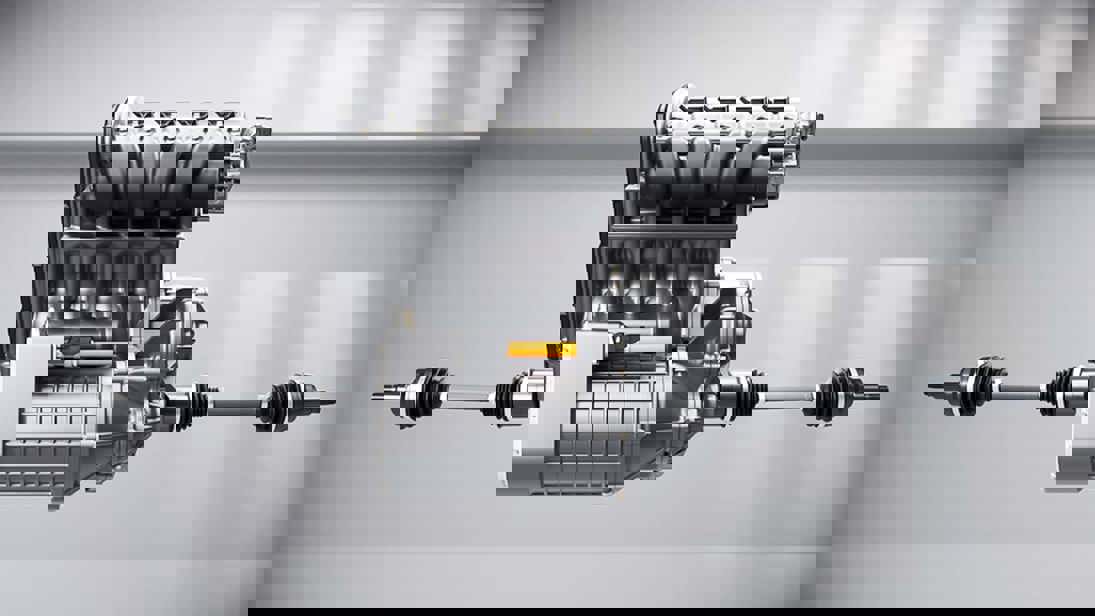
According to the companies, maximising efficiency reduces fuel consumption and CO₂ emissions in equal measure. Using Repsol’s 100% renewable gasoline, a mid-size car covering 12,500km annually would emit 1.77 tonnes less CO₂ per year than a comparable vehicle running a conventional combustion engine and fossil fuel.
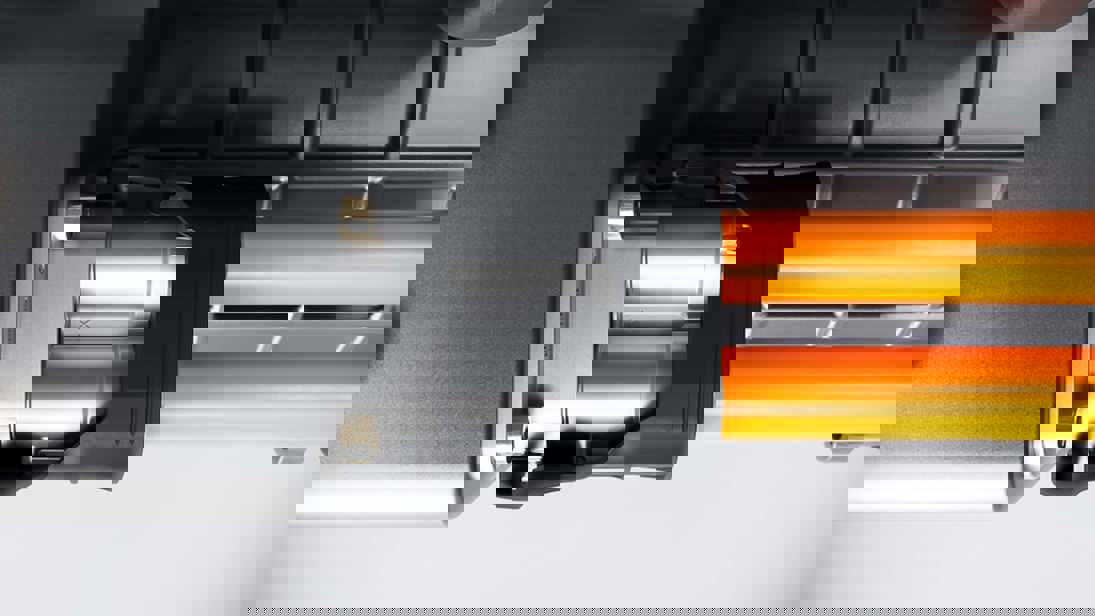
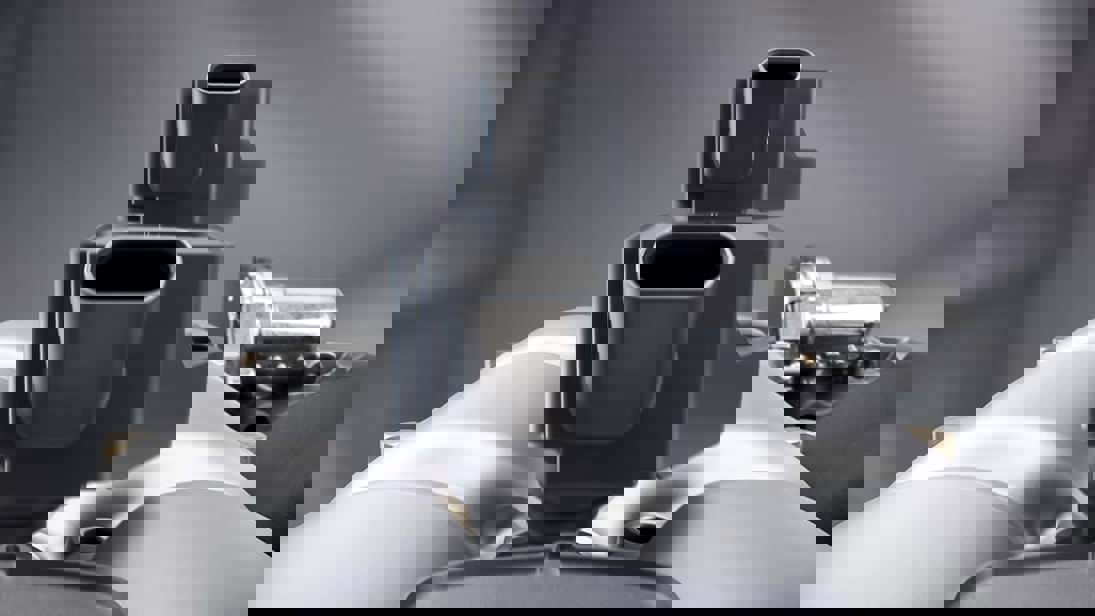
The hybrid system is built around the Horse H12 Concept, an evolution of the existing HR12 engine. Key upgrades include a 17:1 compression ratio, a new-generation exhaust gas recirculation (EGR) system, an optimised turbocharger and a high-energy ignition system. The hybrid gearbox has also been revised with improved energy management, while new Repsol lubricants reduce internal friction.
Two prototypes have been completed and validated, with a demonstrator vehicle expected in early 2026.
Combustion’s counter-argument
The project was led by Horse Technologies in Valladolid and the Repsol Technology Lab in Madrid. It is positioned as a near-term decarbonisation solution alongside electrification.
More than 97% of Europe’s current vehicle fleet remains combustion-based, according to ACEA data referenced in the release. Horse and Repsol argue that highly efficient hybrid engines running on renewable fuels can help cut emissions immediately, rather than waiting for full fleet electrification.
Luis Cabra, Executive Managing Director of Energy Transition at Repsol, said: “This collaboration shows that decarbonization can be accelerated through innovative and accessible technological solutions. The use of 100% renewable fuels is a net zero emission solution, complementary to electric vehicles, for decarbonizing the transport sector.”
Patrice Haettel, Chief Operating Officer at Horse Powertrain, added: “The Horse H12 Concept is an example of how highly efficient engines and renewable fuels can reduce emissions today, without waiting for future solutions.”
Repsol began industrial-scale production of 100% renewable gasoline in Tarragona in October. Its Nexa 95 renewable petrol is currently available at 30 service stations in Spain, while renewable diesel is distributed across close to 1,500 sites in Spain and Portugal.
Electrification may dominate the long-term strategy, but projects like the H12 Concept show that the internal combustion engine is still being refined, and not quietly.


