



What's this new car all about then?
The B30 medium-SUV is a new model from yet another a new brand for New Zealand: BAIC (formerly Beijing Automotive Industry Corporation). It's part of the Armstrong's Group portfolio, which has a burgeoning stable of Chinese brands including Leapmotor, Dongfeng and Smart.
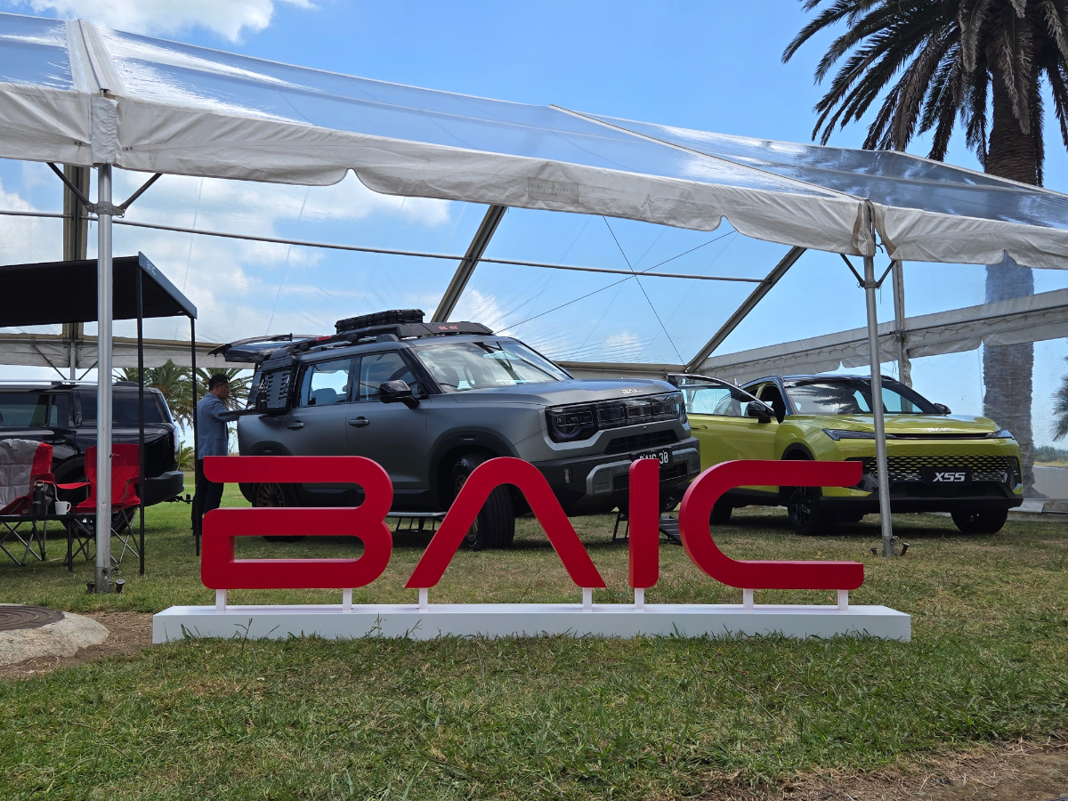
We've covered the company before, but just to recap: state-owned BAIC was founded back in 1958, it's currently China's 5th-largest carmaker and it's the single-largest external shareholder in Mercedes-Benz, with 9.98%. In China, it has joint-venture companies with Benz and Hyundai. It also owns the Foton ute and truck brand.
As with most sizeable Chinese makers, BAIC has multiple divisions (including the Arcfox and Stelato premium brands), but the core company really leans into its 4x4 heritage. It established China's first joint venture with a Western company in 1984, partnering with Jeep.
The first generation of BAIC's BJ40 (2014) was an unashamed, um, homage to the Jeep Wrangler. The BJ80 is famously derivative of the Mercedes-Benz G-Wagen (and famously displeased its German partner), although it's actually on the platform of a BAIC-produced Jeep Cherokee derivative.
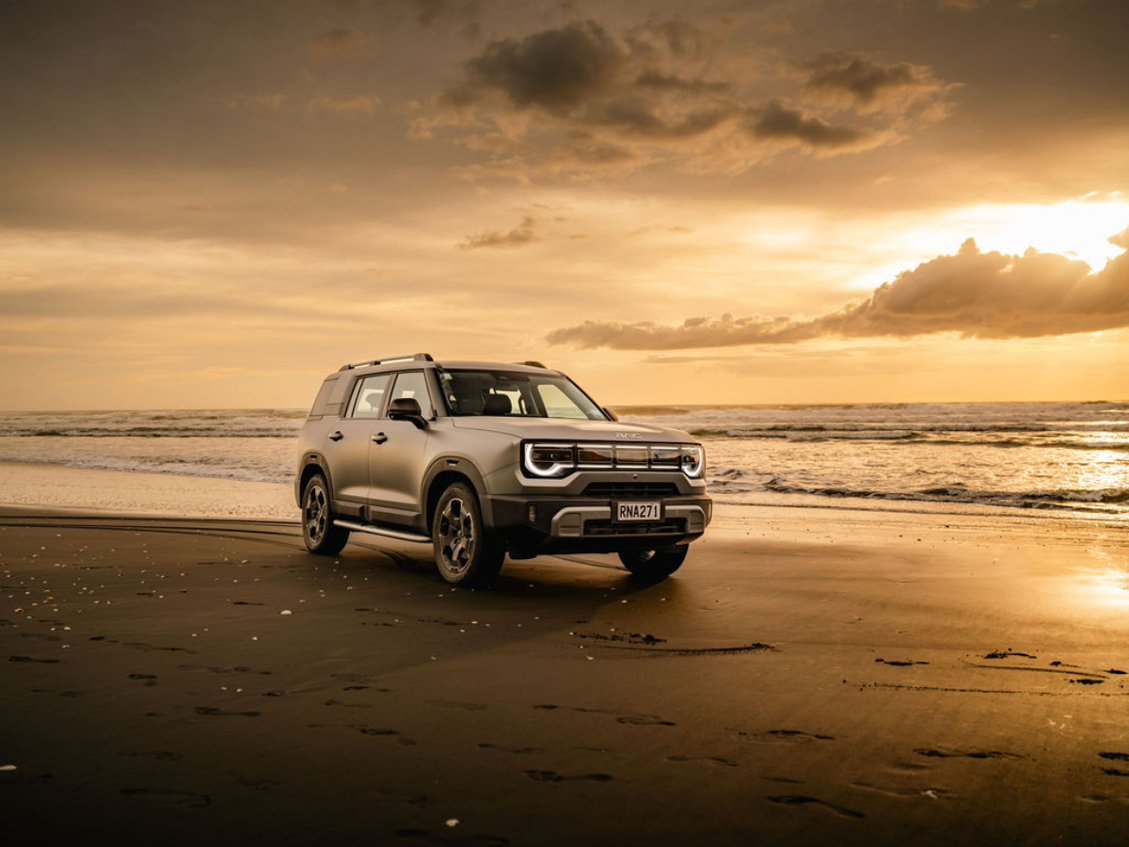
So you get it: the brand is really known for the rugged stuff and that's what the B30 hopes to tap into with Kiwi buyers, given our love of all things SUV.
The B30 is very much calibrated to feel like a 4x4 on the road, even though it's essentially a passenger-car underneath.
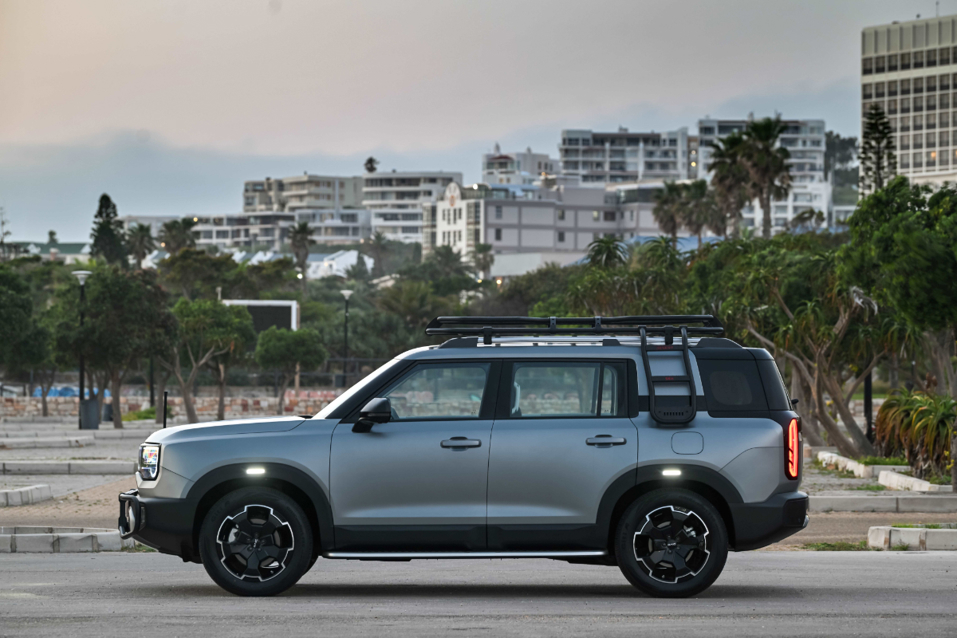
The B30 isn't a hard-core 4x4 like the BJ40 or BJ80: it's a "soft roader" based on a monocoque platform, but still aims for better off-tarmac ability than your average family SUV and boasts plenty of chunky style. China's Subaru Outback? Kind of. Perhaps China's Toyota RAV4 too, given its emphasis on petrol-electric hybrid power.
How much is it?
Brace yourselves: there's a new Chinese SUV being launched in NZ and it's not electric. The B30 arrives in a trio of models, with pure-combustion and petrol-electric (HEV) power, and a choice of 2WD or AWD.
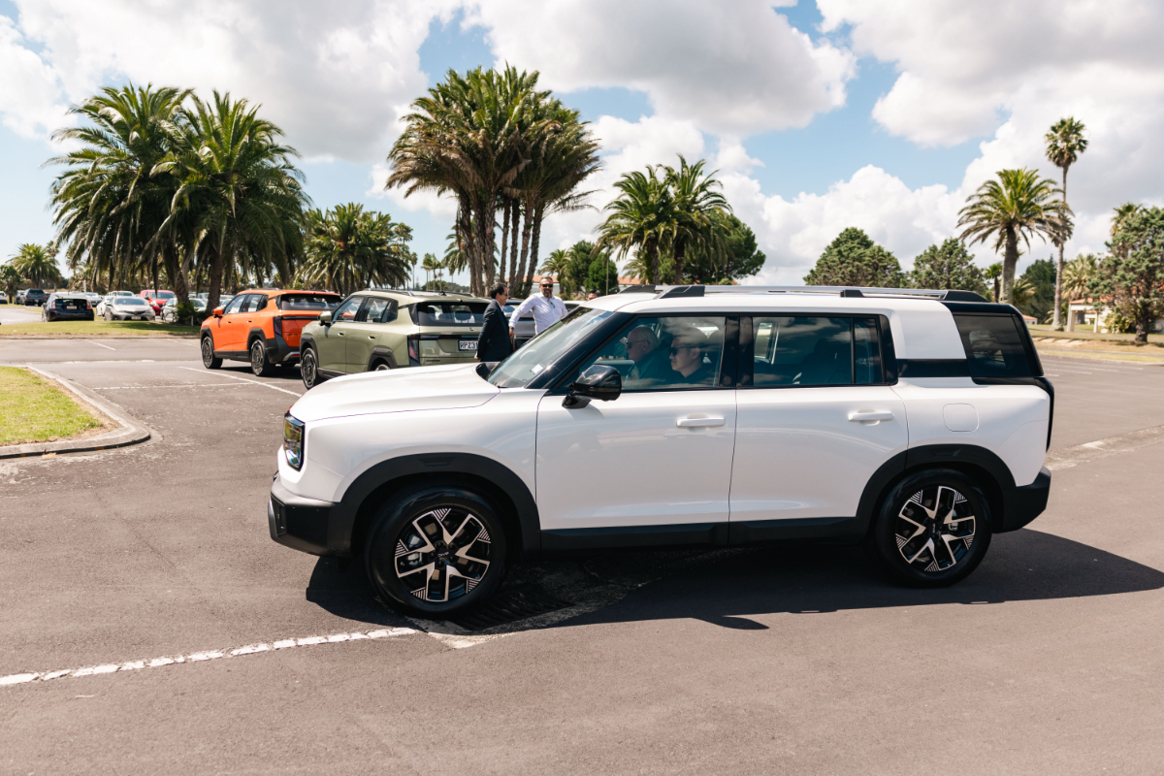
The entry Elite Adventure is powered by a 138kW/305Nm 1.5-litre ICE engine driving the front wheels. It's priced at $39,990 for launch, increasing to $42,990 from June.
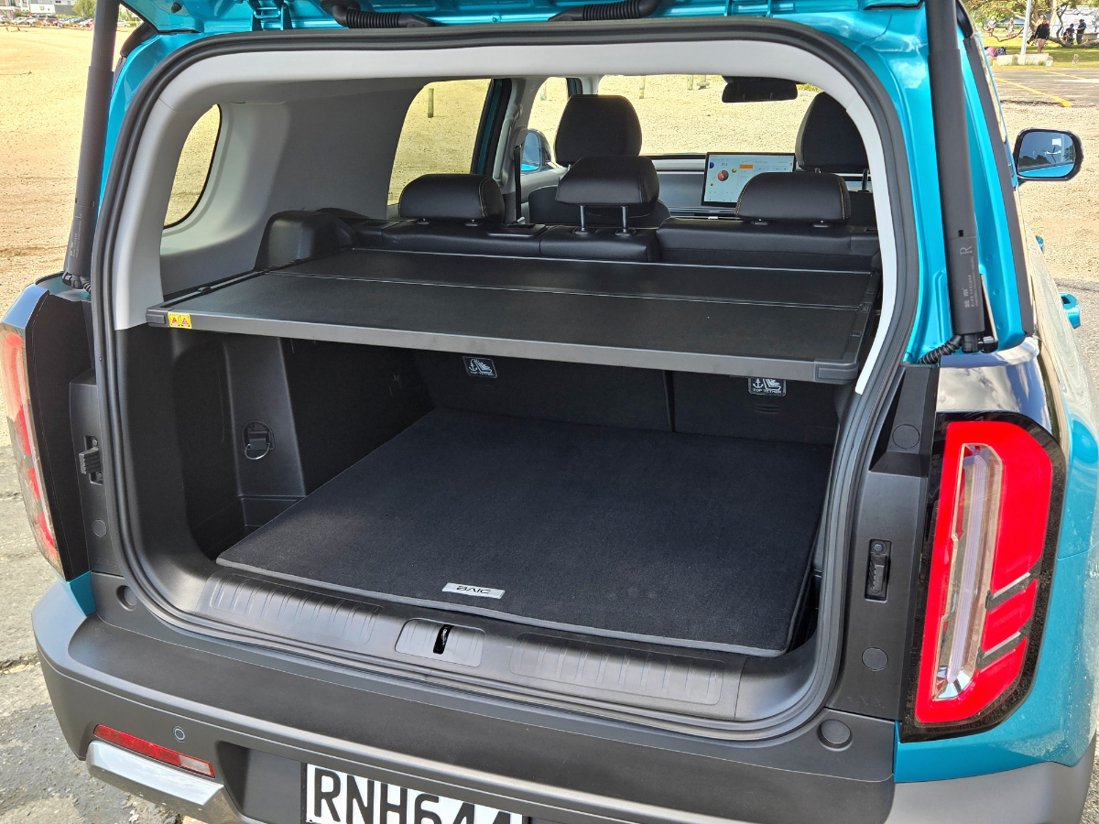
The B30 is big on the lifestylely stuff and customisation. The parcel shelf can be removed and turned into a low-set picnic table, for example.
The Premium Adventure HEV lands at $44,990 ($47,990 post-launch) and combines a detuned 116kW/235Nm version of the petrol engine with BAIC's "Magic Cross" hybrid system, including a 130kW/315Nm electric motor.
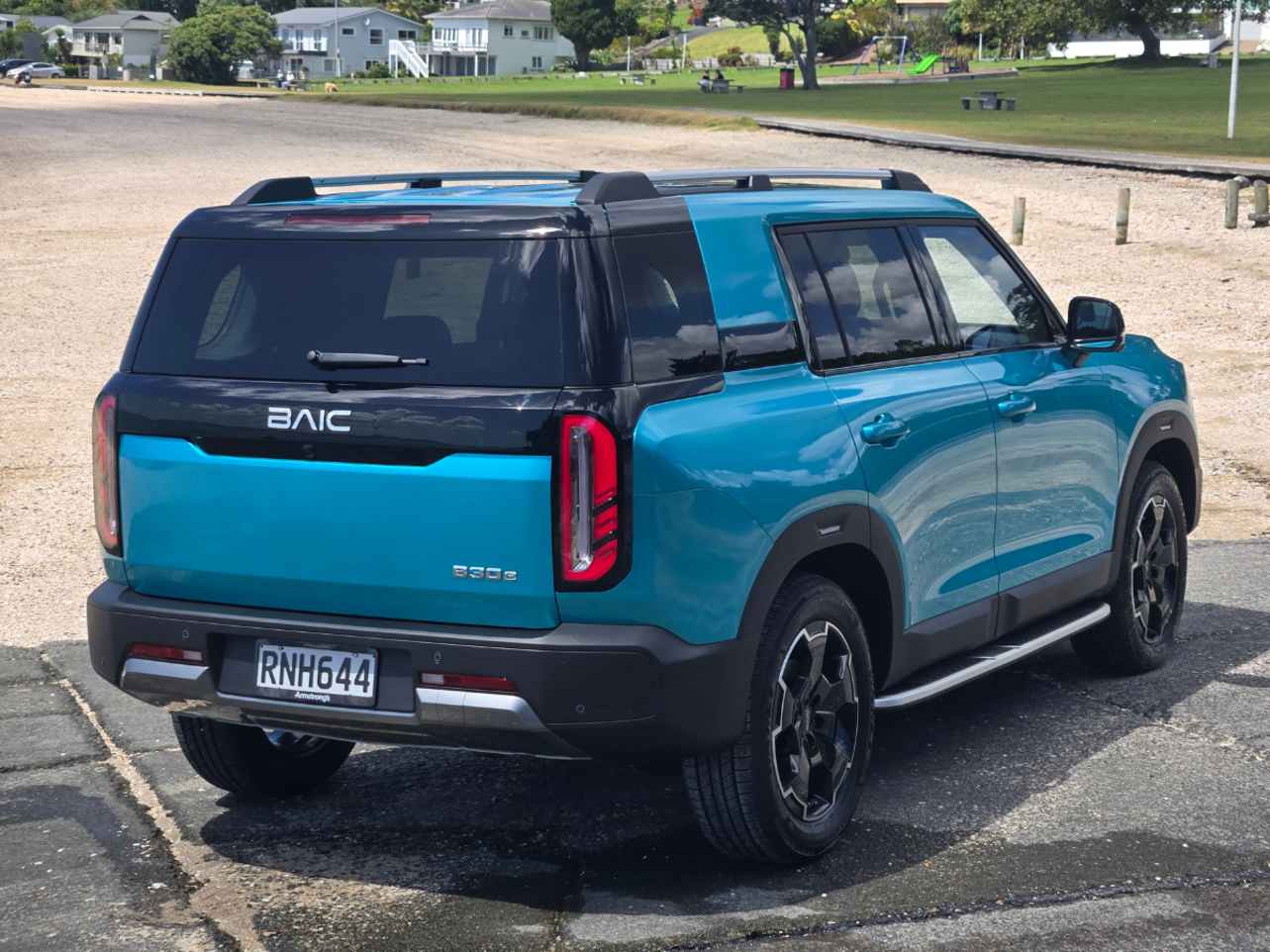
The top-specification B30 Premium Adventure HEV AWD is $49,990 (full retail $52,990) and gets a second 55kW/135Nm electric motor on the rear axle.
Safety features include six airbags and advanced driver assistance systems such as autonomous emergency braking, forward collision warning, and blind-spot detection. The safety suite is standardised across the range, with no difference between the entry Elite and flagship Premium.
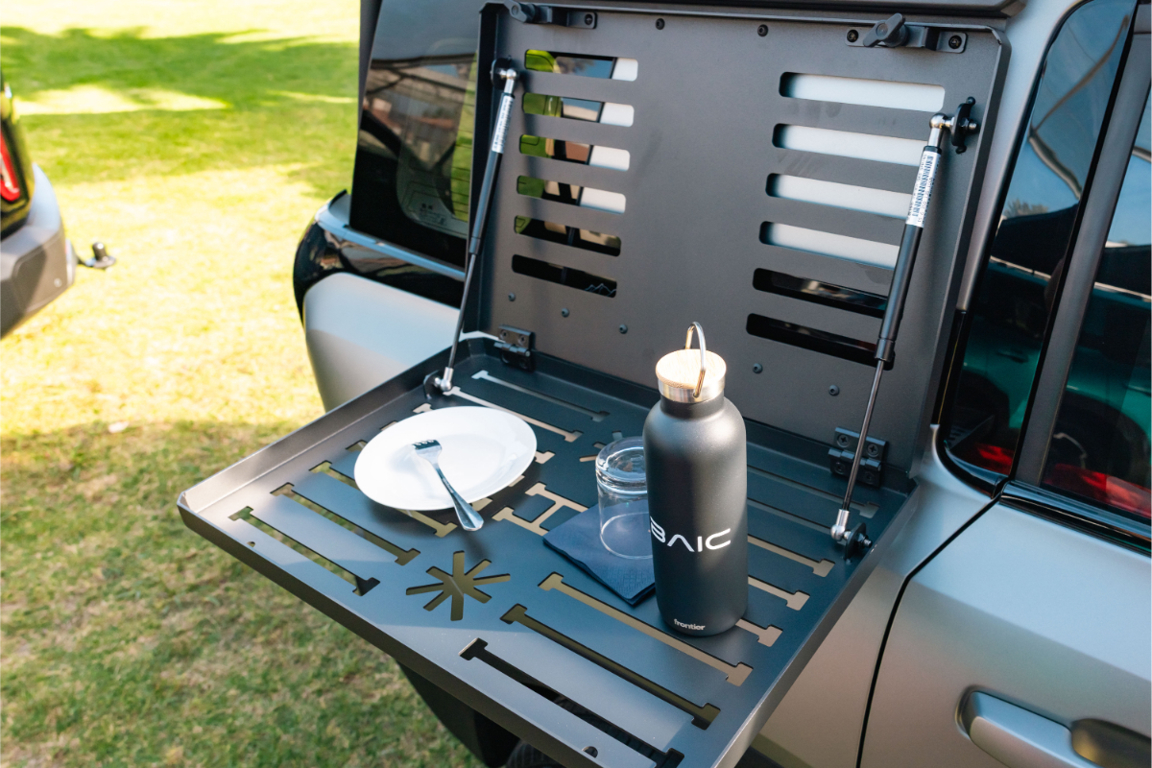
The B30 is big on the lifestylely stuff and customisation. The parcel shelf can be removed and turned into a low-set picnic table (the screw-on legs are stored under the cargo floor), for example. BAIC has introduced a comprehensive range of adventure-oriented accessories including roof platforms, side ladders, nitrogen shock absorbers, and protective guards for the engine and motor.
BAIC B30 ACCESSORIES
- Nitrogen shock absorbers $5000 (launch price until June, $4000)
- Roof platform $2800 ($2300)
- Side awning $2350 ($1850)
- Electric running board $1910 ($1500)
- Towbar kit $1250 (not including fitting)
- Roof storage box $1020 ($800)
- Side window rach $595 ($500)
- Rear motor guard $440 ($350)
- Side ladder $495 ($400)
- Front engine guard $265 ($250)
What's it like to drive?
As is increasingly the case with a big brand-introduction, the BAIC launch event was primarily about celebrating with visiting dignitaries (of which there were many, including BAIC International chairman Wang Jianhui, Chinese Ambassador Wang Xiaolong and Auckland deputy mayor Desley Simpson) rather than letting journalists disappear down backroads in all the display cars.
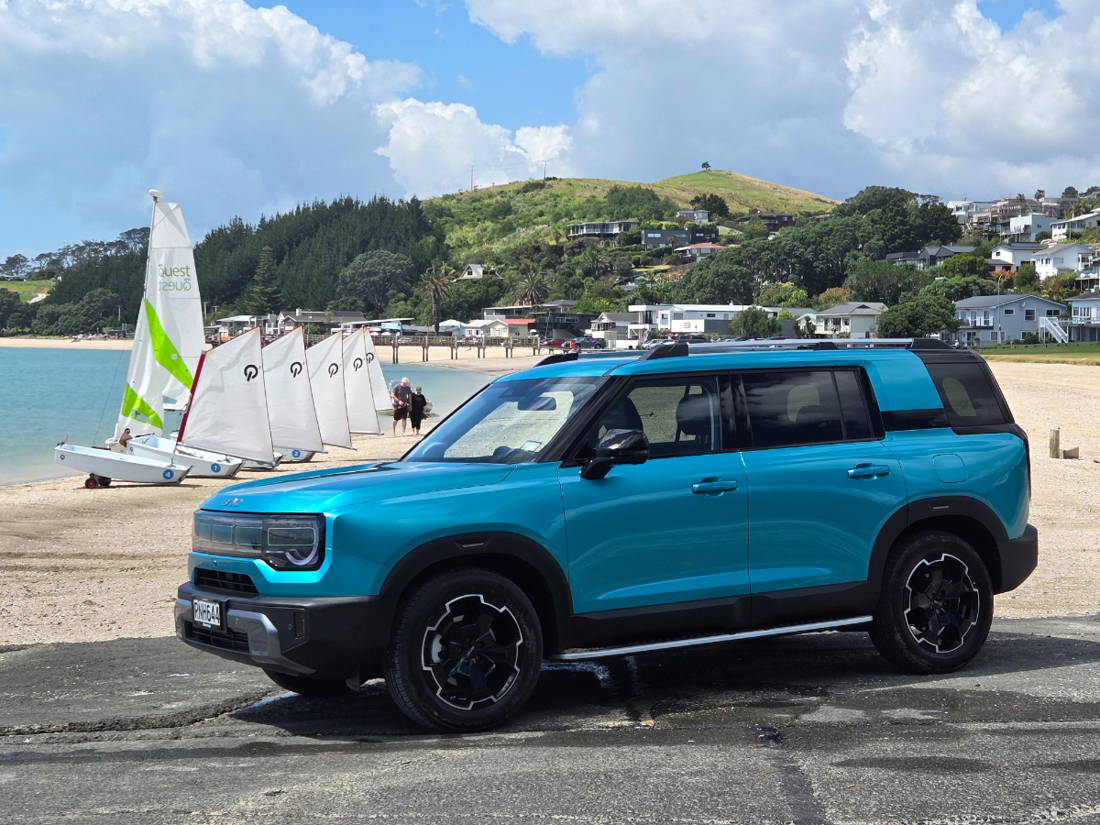
However, some time was indeed put aside for a brief free-range in the B30. We managed to grab the top Premium Adventure AWD in a striking Sky Blue colour. Other standout finishes include Moss Green, Light Grey and Matte Platinum Grey.
The B30 is very much calibrated to feel like a 4x4 on the road, even though it's essentially a passenger-car underneath. It's quite deliberate (Jeep does a similar thing with its monocoque models) and it's not unappealing, giving the vehicle a little bit of lateral movement over bumps while maintaining good ride comfort.
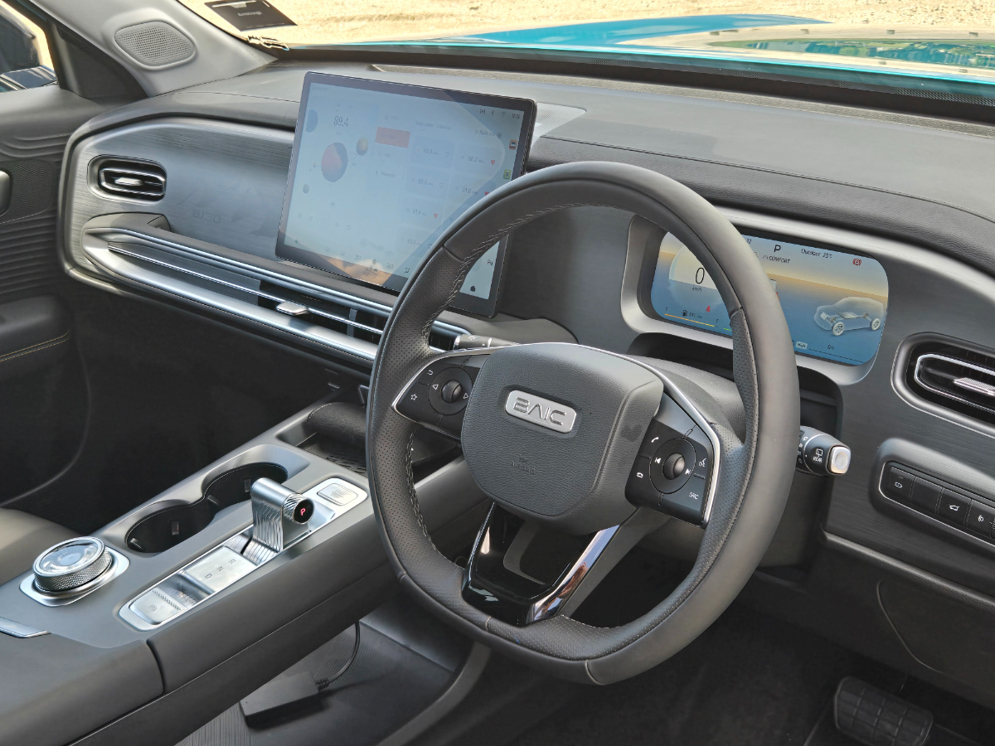
It feels bigger than it is from behind the wheel, with a wide, flat bonnet dominating the view out the windscreen and lots of chunky detailing on the dashboard. You cannot accuse B30 of lacking dynamic or design character, and the general fit/finish is really impressive.
There are several surprise-and-delight graphics around the car, although a very subtle etching on the passenger-side dashboard features a mountain and "BJ30" logo - the name for the model in China, which is in part a reference to the brand's history with Jeep. Don't be confused... although you might be irritated by the inconsistency.
The powertrain and drive modes, we need more experience with. While the entry 2WD petrol has a dual-clutch gearbox, the electrified models employ a super-hybrid-style dedicated hybrid transmission (DHT), which puts as much emphasis on electric drive as possible.
So don't get too excited about BAIC's claim of a combined 301kW from the hybrid AWD powertrain, a figure which it seems to have been arrived at by simply adding the engine and both motors together. That's not exactly how a DHT works (you seldom get full power from everything all at once) and it certainly doesn't feel super-fast.
But it's an intruiging technical package, especially when you factor in the B30's off-tarmac aspirations, and we're keen to exerience more. That opportunity is coming, so stay tuned.
The AWD B30 has 215mm of ground clearance, 600mm wading depth, hill descent control and hill hold control. Approach and departure angles are 25 and 30 degrees respectively, and it has specialised drive modes for mud, sand, and wading.
The top model also boasts an "electronic limited slip assist" function, while both hybrids have a launch mode.
The focus on ICE and hybrid for both B30 and the smaller, more urban-focused X55 hatch-cum-SUV is "about how best to address the market that’s out there," says Armstrong's Auto Distribution Holdings chief executive Simon Rutherford.

Currently, the Kiwi new-vehicle market is 62% SUV and the two most popular powertrain types are ICE and HEV. So the B30 and X55 sit squarely in the mainstream.
"But what we also want to do with both these nameplates is make sure that they are future-proof," says Rutherford. "There are also REEV [plug-in range extender] versions of these products out there.
"We've tried to keep things very simple and focused at launch, but we know as that the price/emissions equation evolves over time, we don’t have to abandon the [model] nameplates, because we know that the technology can move with them."
What’s the pick of the range?
We haven't had the full B30 experience by any means, but it's hard to disagree with Rutherford's opinion that the top B30 Premium Adventure AWD will be the one buyers will gravitate to.
It's a very sharp price for a very complete technology package, and the off-tarmac aspect gives it extra cred.
What other SUVs should I consider?
Hey, like we said: in size and spirit, the B30 is very close to the likes of a Subaru Outback ($54,990-$64,990) for the crossover character or Toyota RAV4 ($49,990-$66,990) thanks to the hybrid focus. It's significantly less expensive than either, of course.
But it's arguably more natural for prospective buyers to look to the Chinese competition. Surprisingly, there's not a lot that matches the B30's core character, the closest being the GWM Tank 300 (diesel, petrol, HEV and PHEV, $53,990-$68,990). But that's a hard-core ladder-frame 4x4, so not quite the same thing. A better match for the Tank is BAIC's B40, which looks likely to make its way here to join the B30 in showrooms.
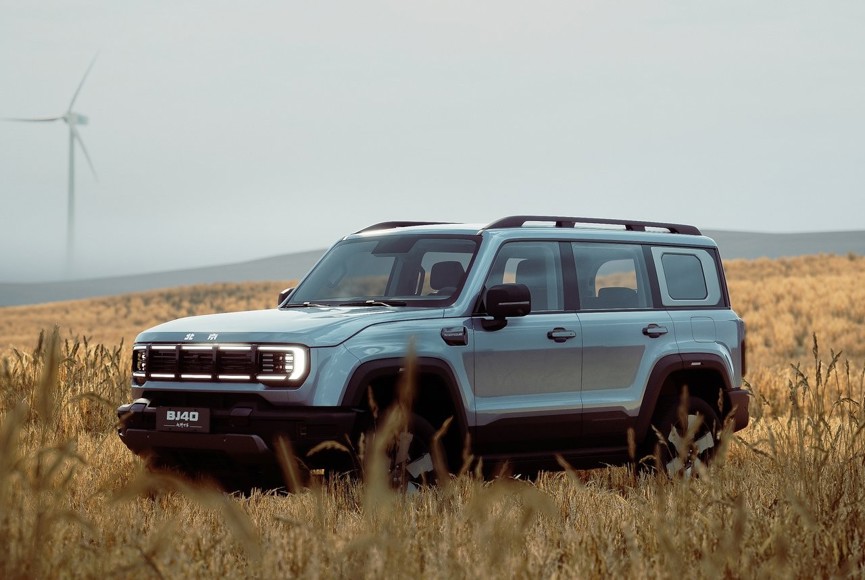
"B40 is a key one, but we don’t have it confirmed yet. We’d love to have it confirmed," says Rutherford.
"The plan [for BAIC in NZ] is basically leaning into more of the off-roady space. There are a number of baby, mid-size and larger options."


