



What’s this new car all about then?
BYD has increased its line up in several ways with the introduction of the Sealion 8, the brand's largest and most premium vehicle to date.
The Sealion 8 is a new seven-seat SUV that marks a significant step for the carmaker, positioning itself directly against established competitors in the large SUV segment rather than simply undercutting them on price.
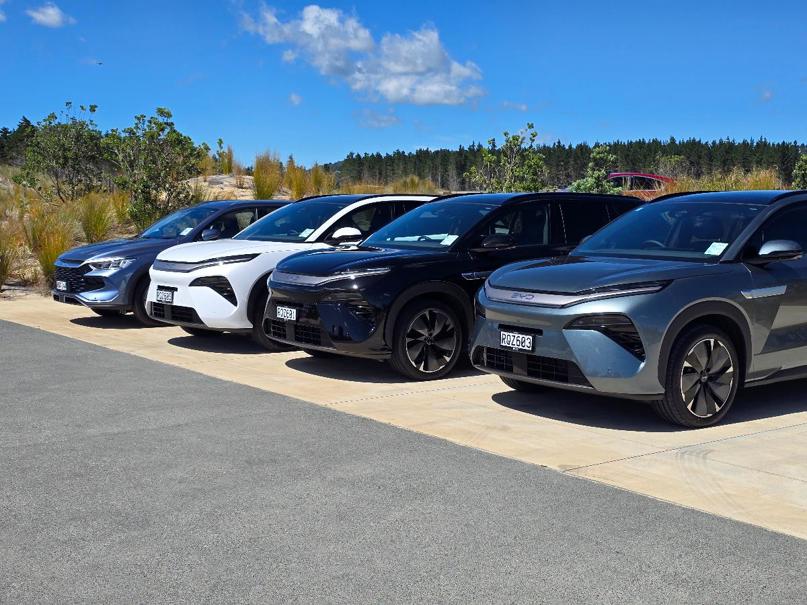
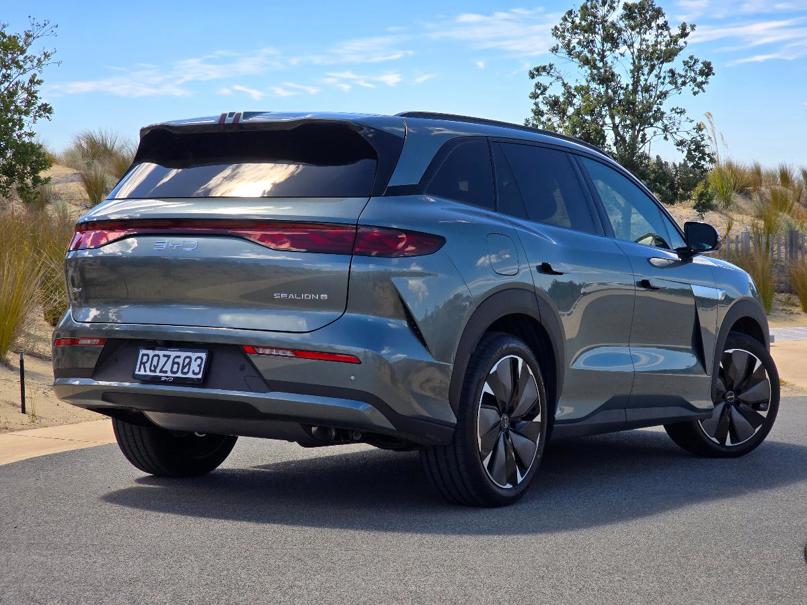
Measuring over five metres long with a three-metre wheelbase, the Sealion 8 offers substantial space and a high level of standard equipment, and by entering the market as a plug-in hybrid distinguishes itself from most of its direct rivals.
The Sealion 8 is available in two powertrain configurations - the entry-level front-wheel-drive model uses BYD's DM-i hybrid system, combining a 1.5-litre four-cylinder petrol engine with an electric motor for a total output of 205kW and 315Nm. It is equipped with a 19kWh battery, providing an electric-only range of 103 kilometres (although this an NEDC figure, so real world will be less).
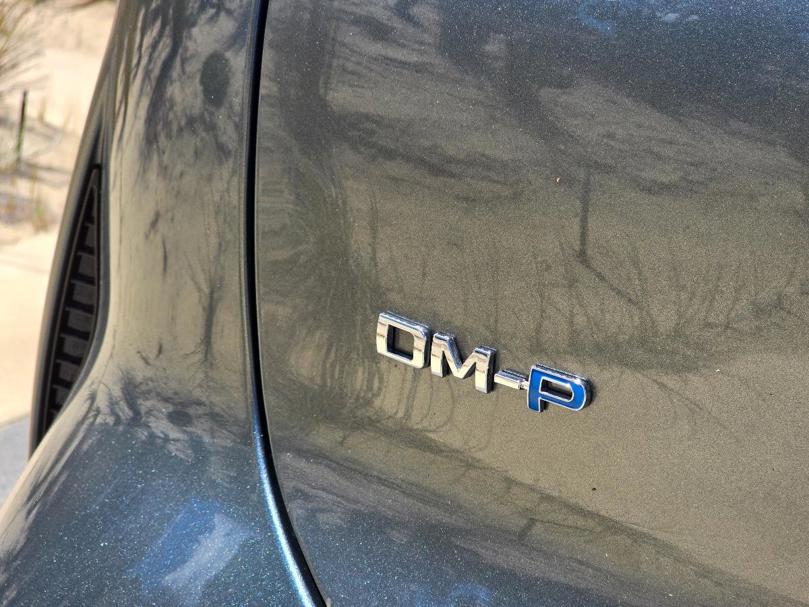
The all-wheel-drive variants feature the more powerful DM-p hybrid powertrain, boosting combined output to an impressive 359kW and 675Nm thanks to an additional electric motor and a larger 35.6kWh battery, extending the electric-only range to 152 kilometres (also NEDC).
How much is it?
The Sealion 8 range begins with the Dynamic FWD model that costs $74,990, with the more powerful Dynamic AWD landing at $83,990. The top-of-the-line Premium AWD model carries a price tag of $91,990.
This essentially positions the Sealion 8 directly against the Mazda CX-80 and CX-90, with the Dynamic FWD model exactly the same price as the Mazda CX-80 SP Hybrid, the Dynamic AWD model within $500 of the top-spec all-wheel drive CX-80 Homura PHEV, and the Premium AWD priced directly against the CX-90 Takami hybrid.
What’s it like to drive?
The BYD Sealion 8 offers up a particularly impressive driving experience, characterised by its sheer composure and serenity on the road. Ride quality is impressive and extremely well composed, with minimal body roll that is surprisingly well-controlled for a large 7-seat SUV.
However, the absolute highlight of the Sealion 8 experience is the utter silence of the petrol engine - you could genuinely think that the big SUV is an all-electric affair, such is the seamless and silent nature of the powertrain.
Despite its significant weight (over 3 tonnes for AWD models), it feels very competent and composed, with handling that exceeds expectations for its size.
The AWD model we drove didn't exactly scorch off the line, as its 0 to 100km/h time of 4.9 seconds might suggest, rather the power built in a dignified but insistent fashion, saving the bulk of its shove until it is up and running, which makes for superb open road cruising, and passing power.
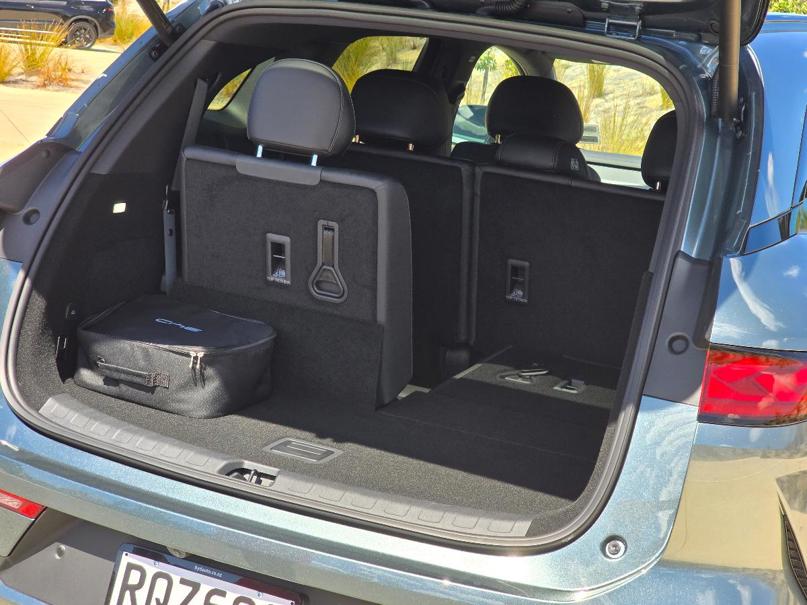
Despite its significant weight (over 3 tonnes for AWD models), it feels very competent and composed, with handling that exceeds expectations for its size. While there's a slight brittle edge to the ride on coarse surfaces, it's not a major issue.
What’s the pick of the range?
While we only drove the Premium AWD on the launch, the Dynamic AWD may well prove to be the sweet spot in the Sealion 8 range thanks to it offering the same power, performance and handling, at a lower price point.
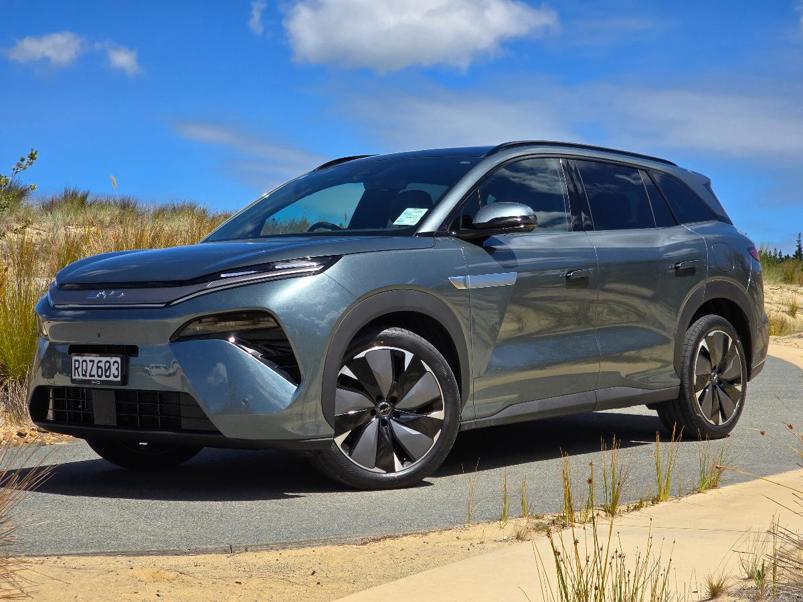
The front-wheel-drive model remains an unknown quantity, but the significant performance and range benefits of the AWD system make it the more compelling choice for now.
What other cars should I consider?
The most direct competitor are the Mazda CX-80 ($74,990 to 83,490) and CX-90 ($92,990), which is priced almost identically to the Sealion 8 models, with the CX-80 also available as a plug-in hybrid in its top specifications.
Beyond Mazda, potential buyers might look toward the Hyundai Santa Fe ($64,990 to $99,990) and Palisade, ($129,990) a pair of large SUVs known for their space and features. However, neither offer a PHEV option, and the Sealion 8's status as a plug-in hybrid across the entire range gives it a unique position in a segment where such powertrains are still relatively uncommon.
It does have other Chinese rivals that offer similar size and seating in PHEV form, but they are significantly cheaper, while also being significantly lower quality.


