



- The fifth-generation BMW X5 will offer petrol, diesel, plug-in hybrid, electric and hydrogen drivetrains.
- BMW says the iX5 60 xDrive will offer up to 845km of provisional range.
- Production starts at Spartanburg in August 2026, ahead of late-2026 market launch timing.
BMW has fully revealed the fifth-generation X5, and the headline is not subtle: one of the brand's most important SUVs is about to become its broadest powertrain family.
The new X5 will be the first BMW model offered with five different drive system types.
Petrol and diesel versions will use 48V mild-hybrid technology, while plug-in hybrid models will sit alongside the first all-electric BMW iX5 and the hydrogen-powered iX5 Hydrogen.
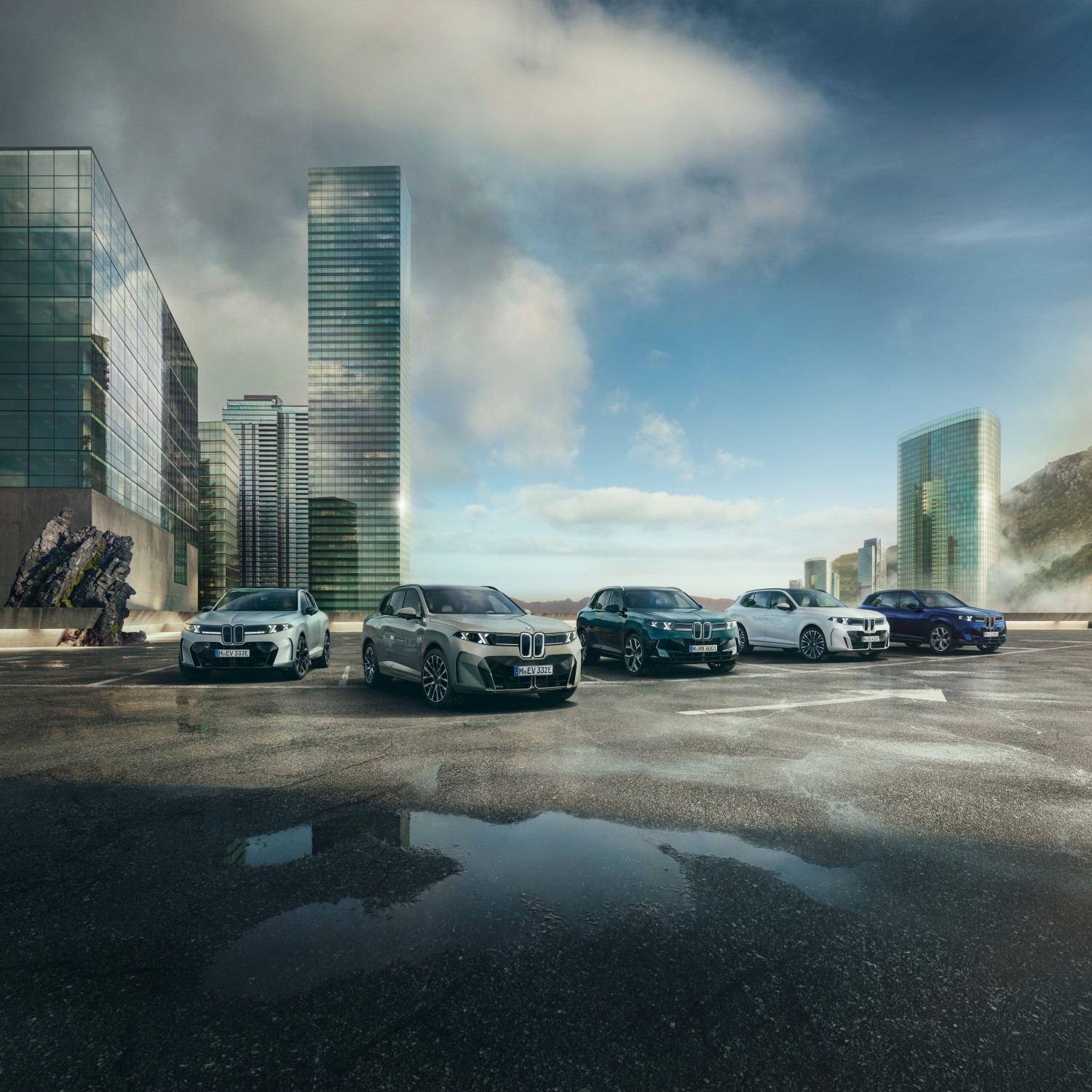
Five powertrain paths for X5
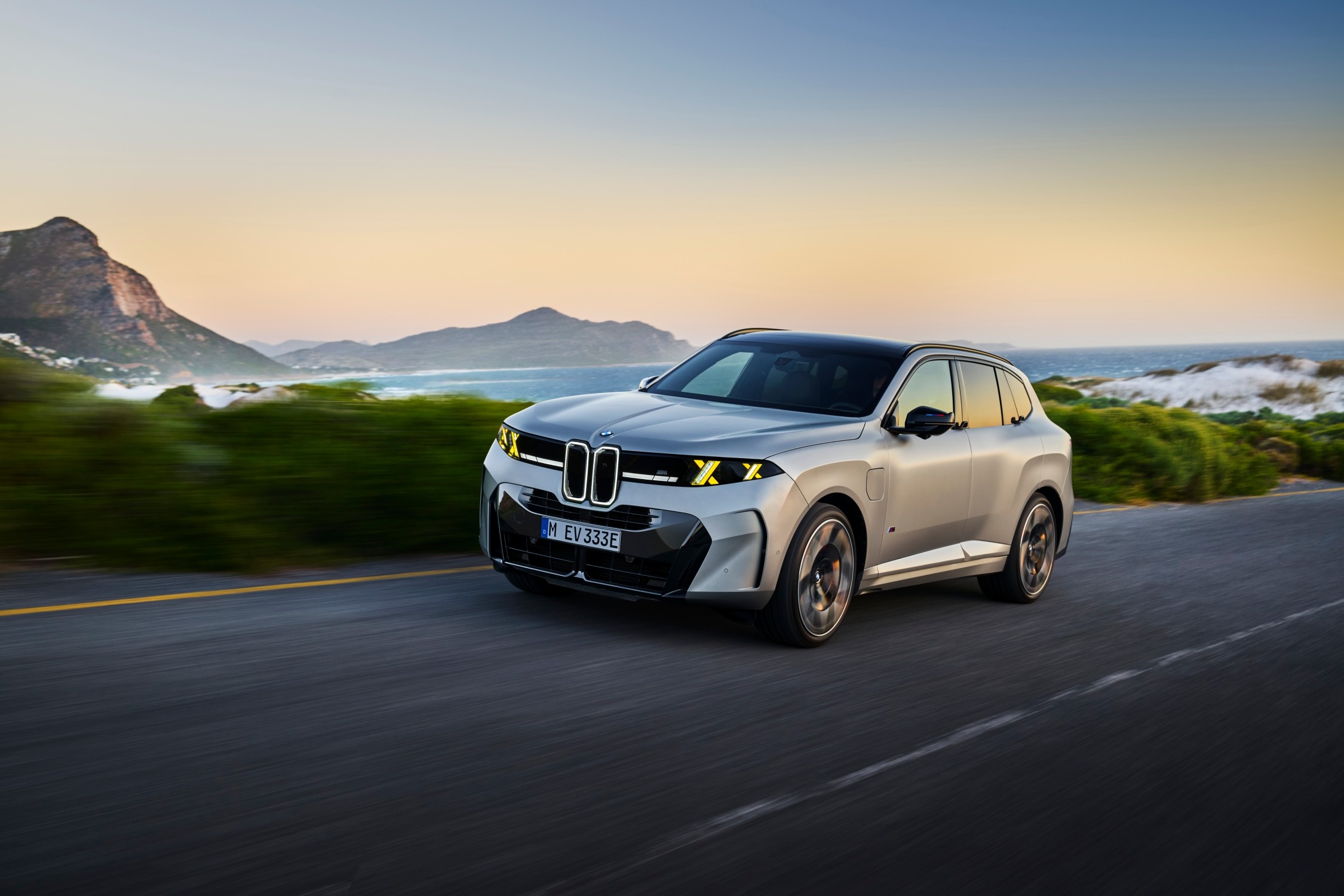
For the battery-electric side of the family, BMW says the iX5 60 xDrive uses sixth-generation eDrive technology, 800V architecture, cylindrical battery cells and bidirectional charging capability.
Provisional figures point to a range of up to 845km for the iX5 60 xDrive.
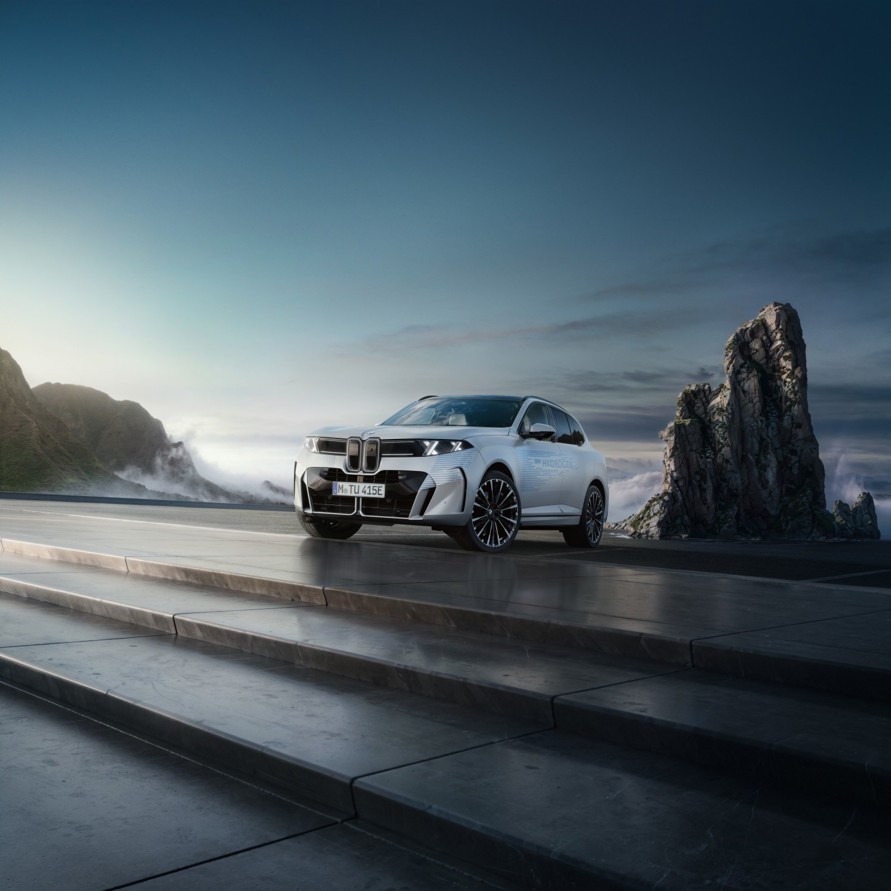
The hydrogen version is also moving beyond experiment status.
BMW says the iX5 Hydrogen is set to launch at a later stage as its first hydrogen-powered production vehicle, combining a fuel cell system, new hydrogen storage and a high-voltage battery.
Prototype development points to a range of up to 750km, although BMW notes statutory WLTP figures are not yet available.
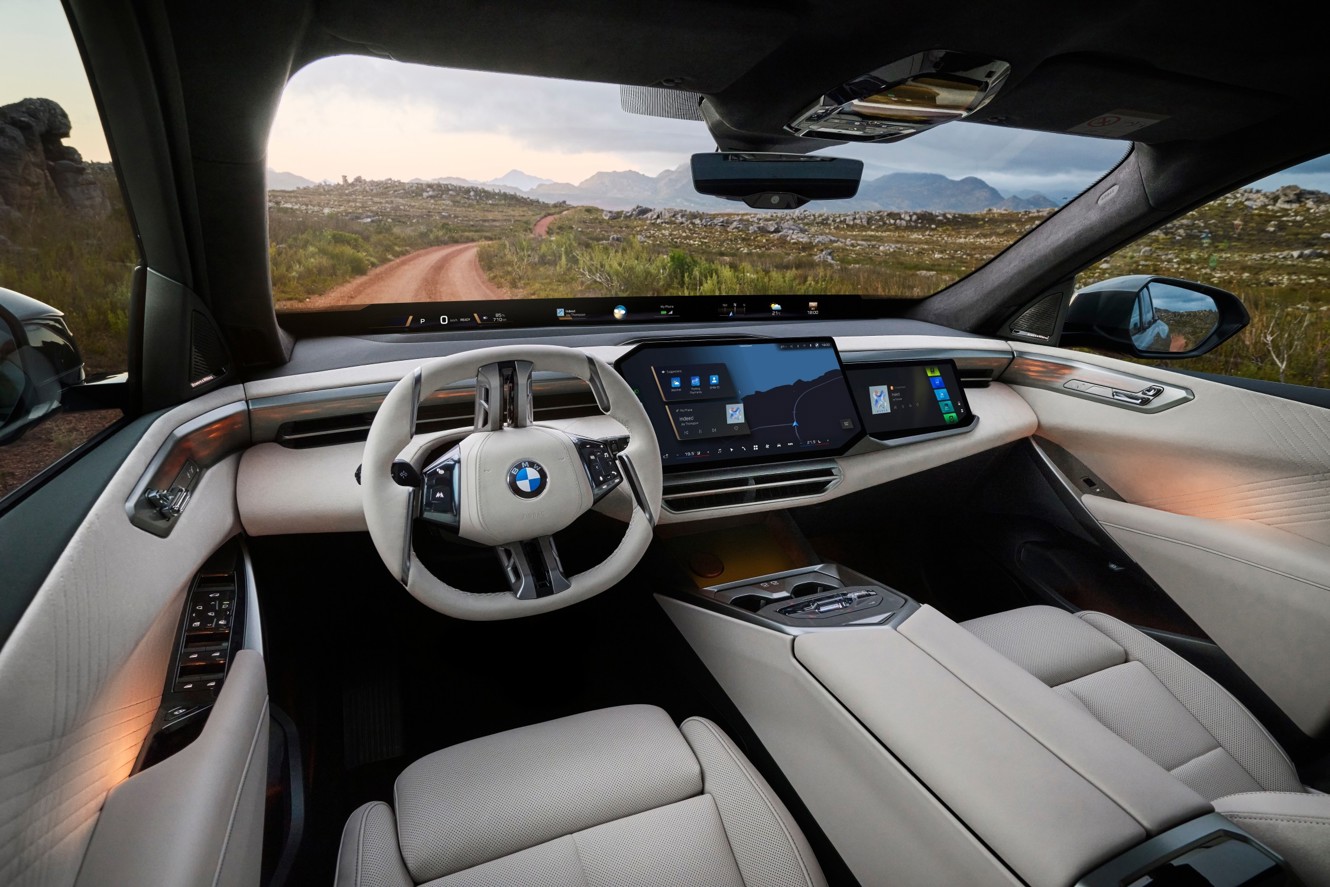
BMW has also given the X5 a Neue Klasse design and technology rethink.
The SUV introduces a more upright front, new double-X light signatures, recessed electrically powered door handles and an interior built around BMW Panoramic iDrive, BMW Operating System X and an optional passenger screen.
Production will stay at BMW Group Plant Spartanburg in the US, where the X5 has been built since 1999.
Series production of the fifth-generation model is due to begin in August 2026, with the first variants scheduled for market launch in late November 2026. The electric and plug-in hybrid versions are set to follow in early 2027.


