



- Defender revealed three Wolf Series II variants at the British Army's DVD 2026 event.
- All three use Defender's D7x monocoque platform and target specialist military mobility roles.
- More than 62,000 engineering sign-off tests are complete, but tender outcomes remain unconfirmed.
Defender has revealed three military-focused Wolf Series II variants, showing how its familiar 4x4 architecture can be adapted for distinctly less familiar working conditions.
Unveiled at the British Army's DVD 2026 event, the line-up comprises a Tactical Mobility Vehicle, a Mono-Tactical Mobility Vehicle and a Utility Vehicle. Each is based on Defender's D7x monocoque platform, but configured for specialist operational roles rather than civilian use.
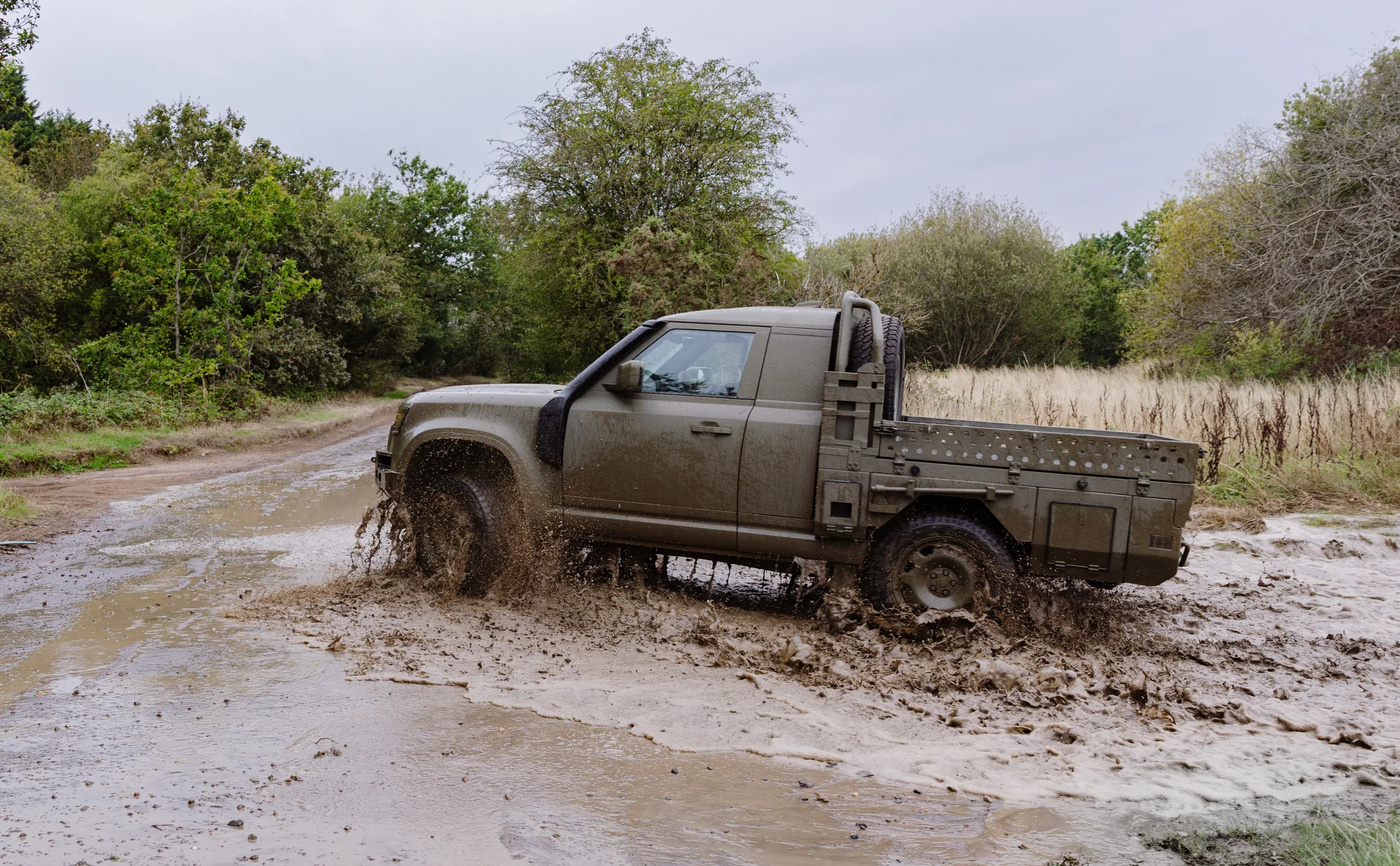
The variants have been developed by Defender Defence Division, the specialist vehicle operation launched in 2026 to develop and manufacture vehicles for military customers. The division is positioning Wolf Series II for the UK Ministry of Defence's Light Mobility Vehicle tender, as well as potential requirements from other NATO organisations.
That does not mean a procurement decision has been made. Defender has not announced an award, and any tender outcome remains unconfirmed.
The Tactical Mobility Vehicle and Mono-Tactical Mobility Vehicle names point to a focus on operational mobility, while the Utility Vehicle broadens the range with a working configuration. Defender has not disclosed detailed mechanical specifications for the three variants, including their engines, power outputs or payloads.
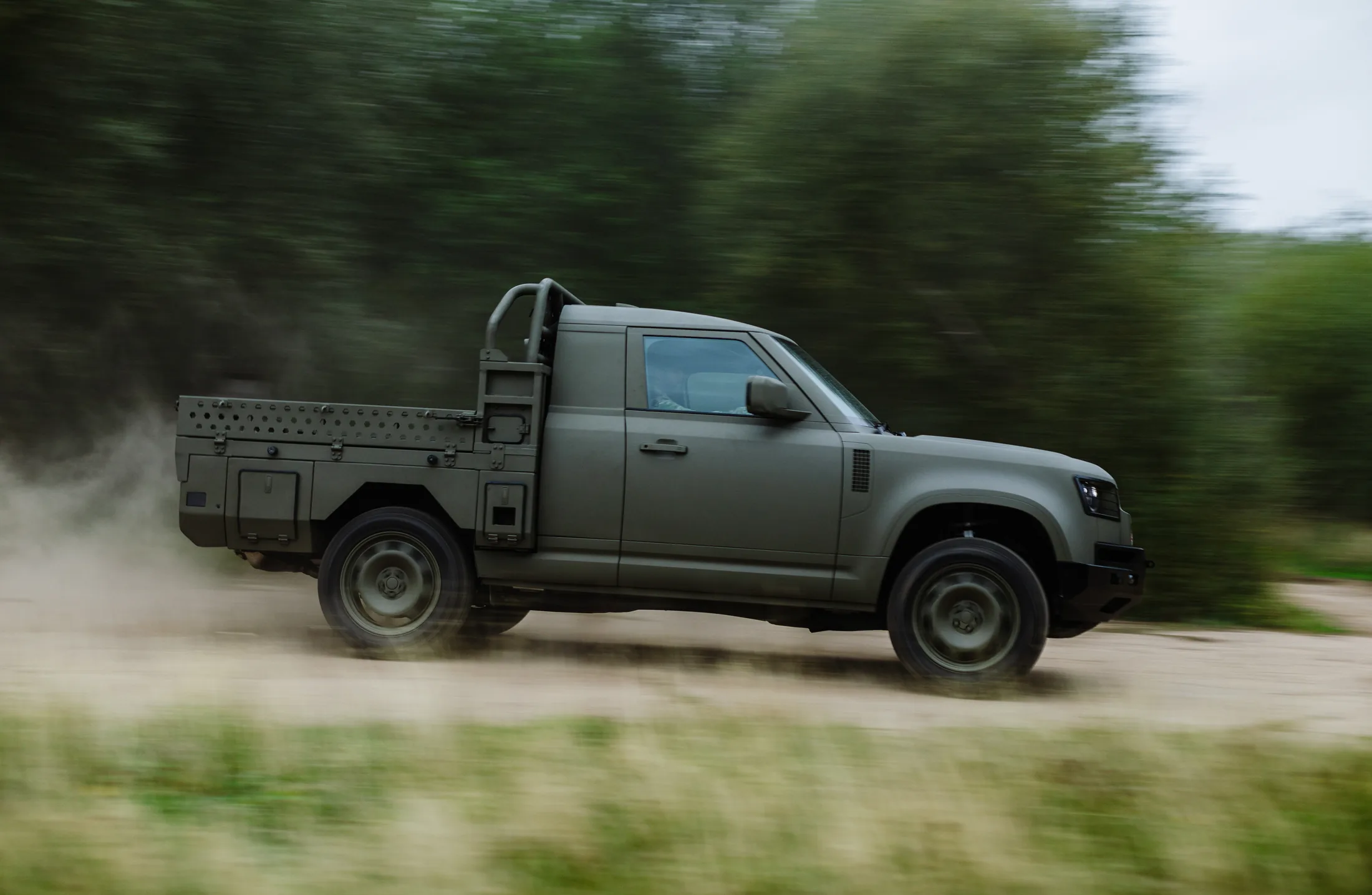
What the company has disclosed is the scale of its engineering programme. Wolf Series II has completed more than 62,000 engineering sign-off tests, a figure intended to demonstrate the validation behind the vehicles before any procurement decisions are made.
For now, the debut is best read as a statement of capability: three working military configurations, a dedicated defence division and a platform being prepared for competitive evaluation. It is not yet confirmation that Wolf Series II will enter service with the UK or any other NATO country.
No New Zealand procurement, local evaluation or arrival plans have been announced.


