



“If you don’t know the GTA philosophy, it’s basically take two cars, mash them together, and pray like hell that you don’t get sued.”
Frank Stephenson, the legendary car designer behind everything from the McLaren P1 to the modern Mini, summed up Rockstar’s approach to automotive design rather brilliantly.
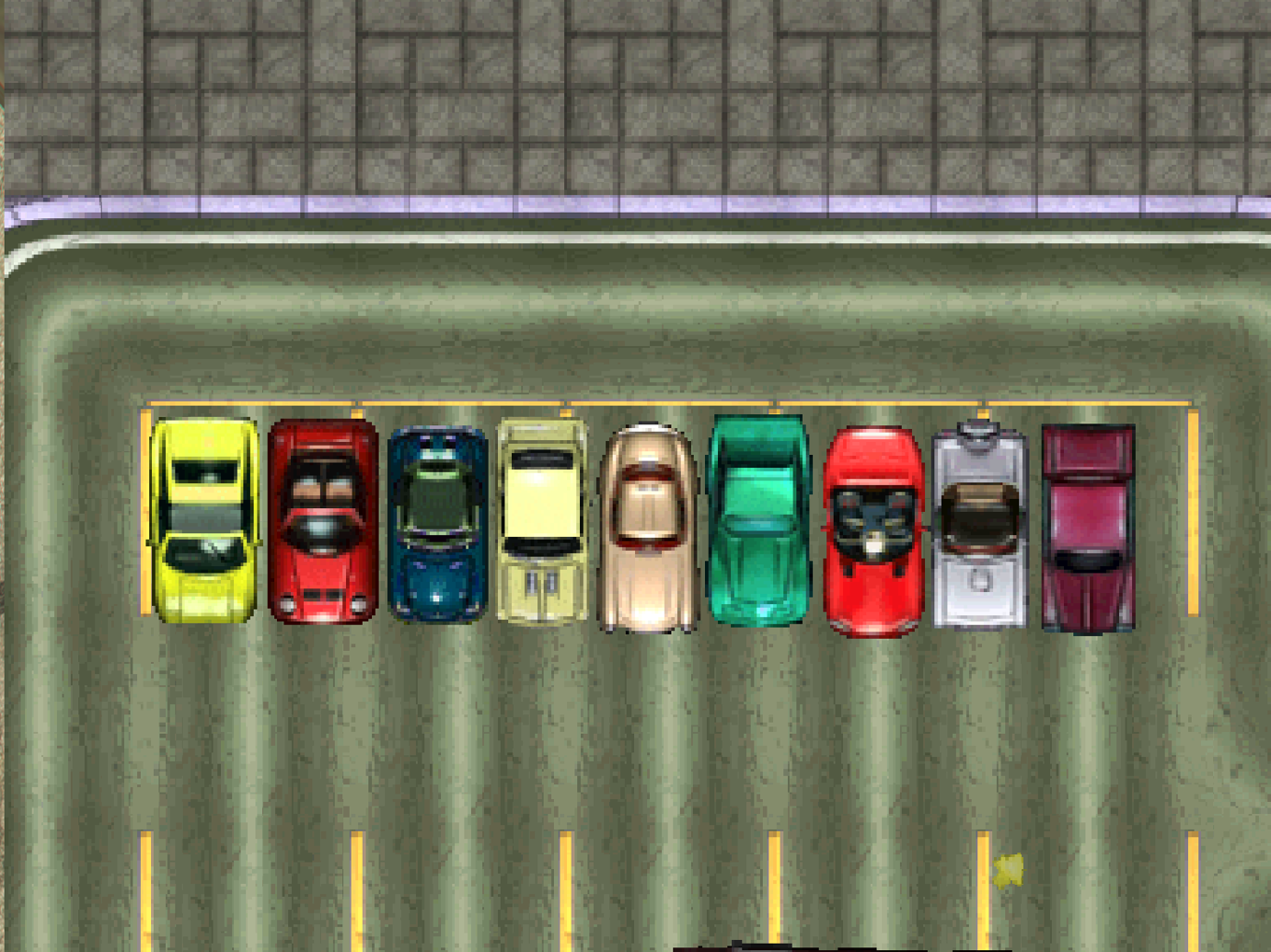
For years, Grand Theft Auto has made a living out of taking the cars we know and love, giving them a slightly ridiculous name, and sending them off to cause absolute mayhem.
A Ferrari becomes a Grotti. A Porsche becomes a Pfister. A Ford becomes a Vapid. It's automotive satire, with just enough plausible deniability to (hopefully) keep the lawyers at bay.
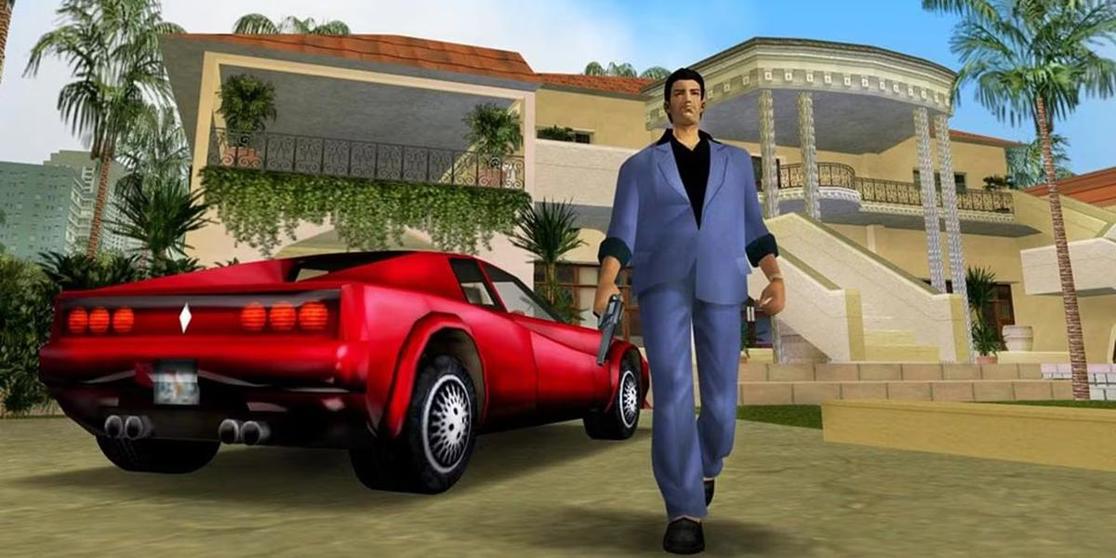
But with the arrival of Grand Theft Auto VI, that increasingly familiar formula has reached an interesting new level. The cars have arguably never looked more like their real-world counterparts, to the point where identifying the inspiration behind some of them is becoming almost embarrassingly easy.
And while Rockstar continues to poke fun at the automotive industry without actually inviting it into the game, the real car industry appears increasingly happy to play along.
Familiar cars, unfamiliar names
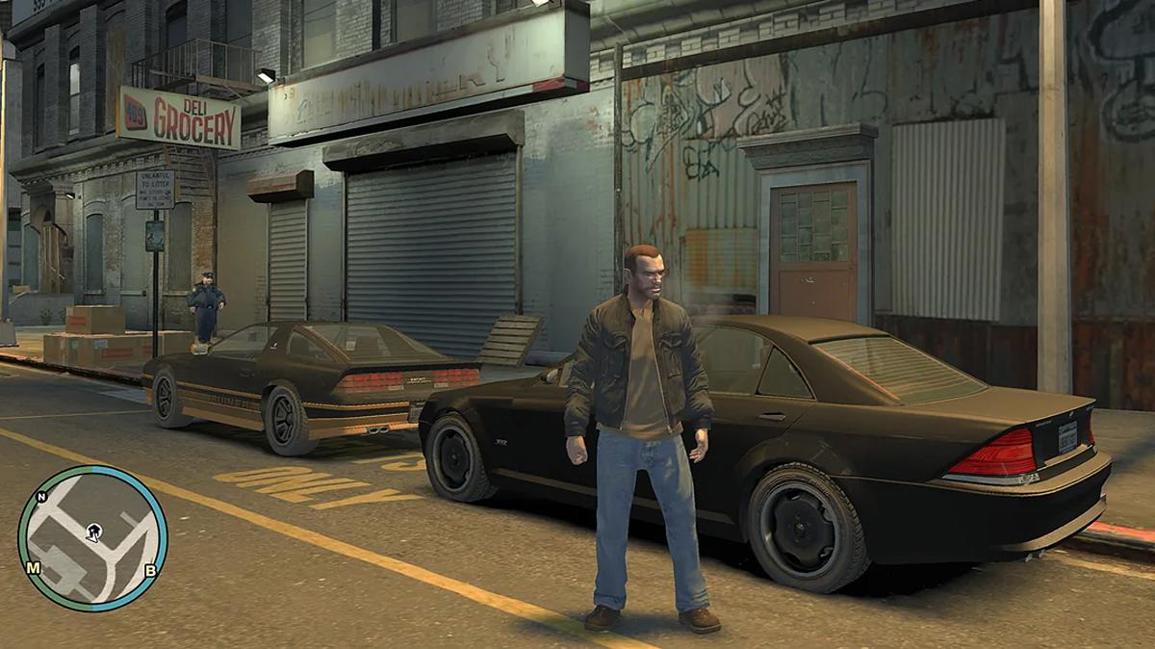
Rockstar has always been remarkably good at creating fictional cars that feel instantly familiar. You don't need a badge on the bonnet to recognise the basic ingredients.
The Vapid Caracara is unmistakably a Ford F-150 Raptor. The Bravado Banshee has long been GTA’s take on the Dodge Viper, while the Invetero Coquette has closely followed the Chevrolet Corvette’s evolution from front-engined sports car to mid-engined supercar.
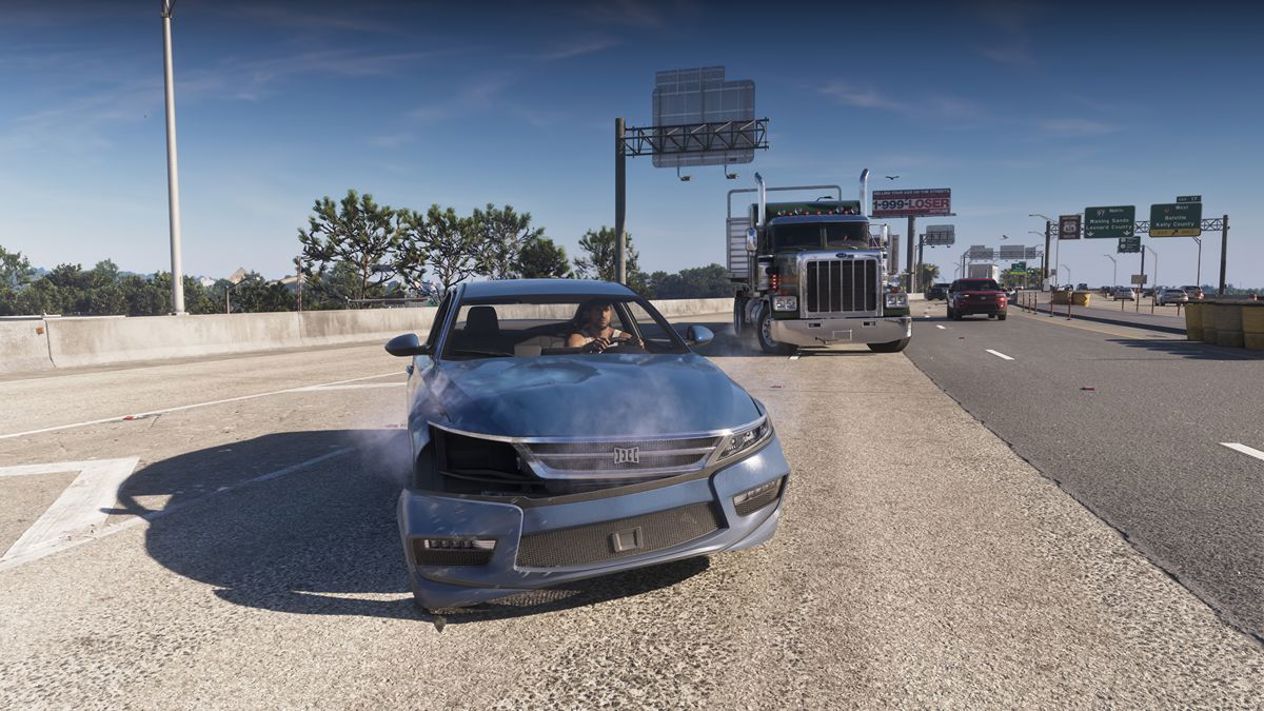
But the cars in GTA VI have taken another significant step towards reality. The proportions are more convincing and the detailing is closer to the cars they parody, making the way the cars sit in the environment less like props and more like actual vehicles.
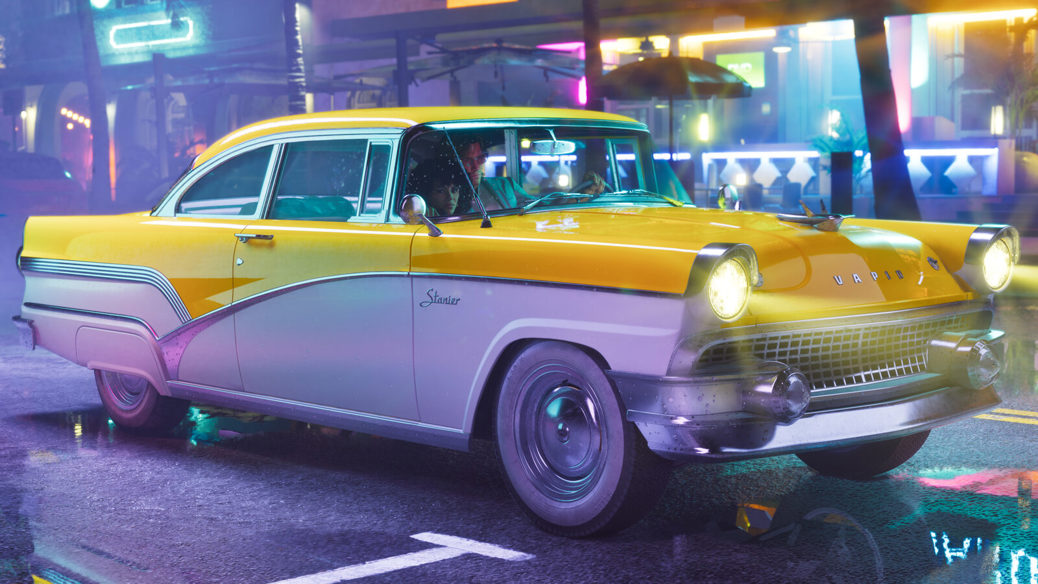
That matters because GTA’s car design has always relied on recognition. The joke only works if you know what the car is supposed to be.
But the closer Rockstar gets to the real thing, the more interesting the relationship becomes. The fictional cars are no longer simply exaggerated caricatures of the real-world models. They are increasingly convincing alternatives, often with just enough visual difference to keep the lawyers at bay.
And that raises an interesting question: if a fictional car looks, sounds and behaves almost exactly like the real thing, how much of a parody is it really?
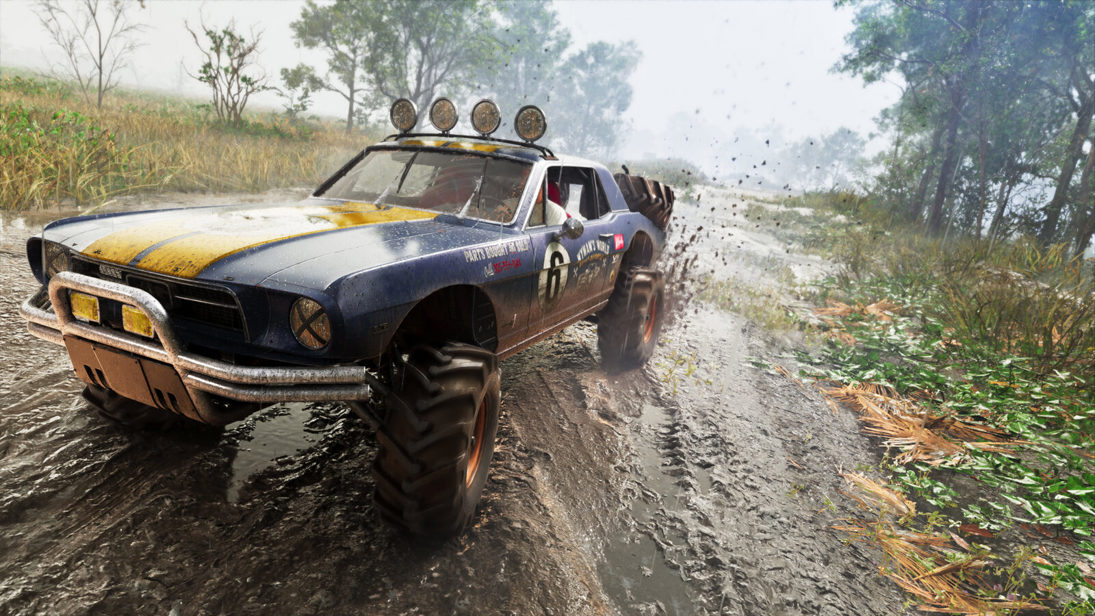
When the car industry gets in on the joke
The irony is that while Rockstar continues to avoid licensing real-world car brands, the automotive industry is increasingly happy to embrace the GTA phenomenon. I mean, the game racked up more than US$3.8 billion in sales in its first week and is pretty much unavoidable across mainstream media; it’s worth embracing.
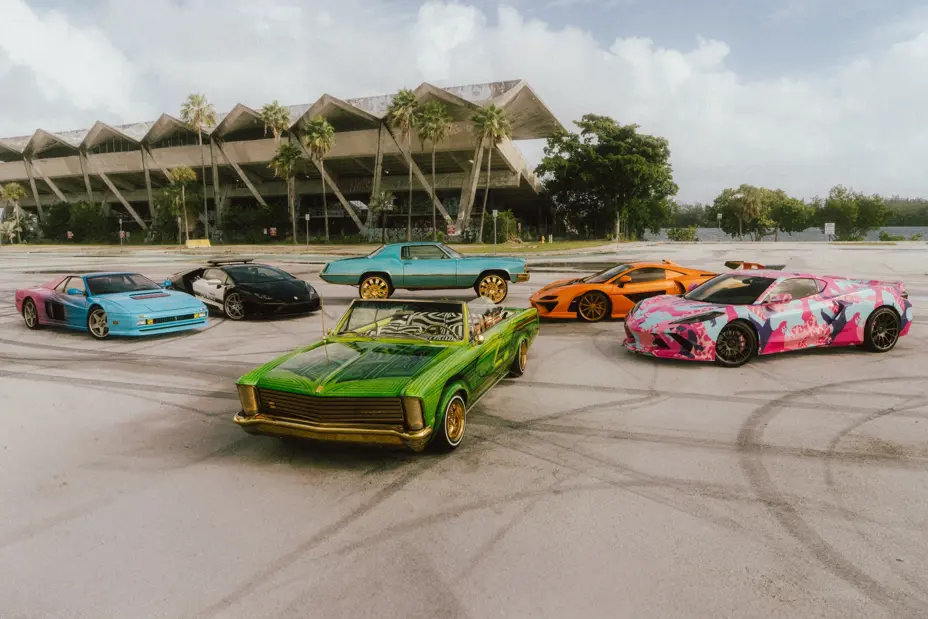
Not only are Rockstar's cars coming into the real world, with legendary US car customiser West Coast Customs creating a series of real-life cars inspired by GTA VI’s fictional vehicles, automotive giants are also tapping into the enthusiasm surrounding the game, with Ford launching its 'You Know When You See It' campaign in Ecuador, using imagery from GTA VI to highlight how easily players recognise the brand's vehicles even when they're wearing fictional badges.
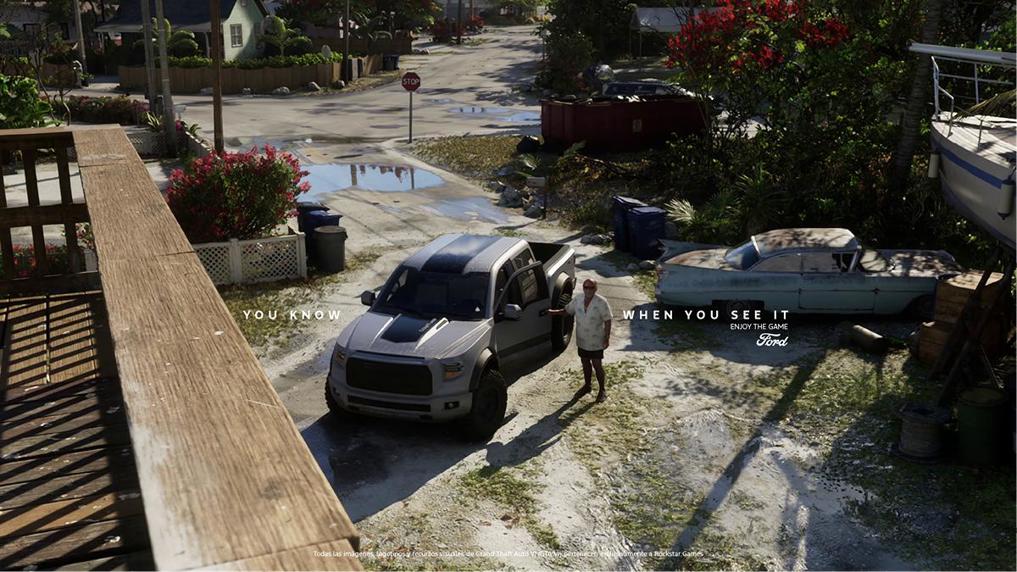
Ford isn't the only manufacturer looking to cash in on the GTA VI hype, with BMW, Mercedes-Benz, Hyundai, Toyota, Volvo and Lamborghini all dipping into the game's distinctive visual style or its long-running cultural relevance for social media content, using everything from Vice City-inspired imagery to familiar GTA mission-completion graphics.
Mercedes-Benz USA, for example, borrowed the iconic “Mission Passed” message for an AMG-themed post, while BMW used the 13-year gap between GTA V and GTA VI to highlight how much its own cars have changed.
Others have taken a more playful approach. Citroën joked about getting a new 2CV before GTA VI arrived, while Fiat used its tiny Topolino to poke fun at the game's lengthy development, suggesting the wait had been so long that the car could almost be driven by someone who had been born when GTA V launched. DS Automobiles has also used GTA-style artwork to promote its F3ver concept.
And it's not just the car makers either: US EV charging network Electrify America has jumped on the band wagon, temporarily renaming itself as "ReVolt America" - named after GTA VI's in-universe charging network - complete with GTA-inspired neon colours and and a callout saying "Looking for ReVolt America? Wrong universe."
None of this necessarily involves official partnerships with Rockstar, but that's arguably what makes it so interesting. Rockstar has spent decades creating fictional versions of real cars to avoid dealing with manufacturers, who are, as a rule, extremely protective of their image, and almost never allow licensing in games that show their cars in a negative light. But now those same manufacturers are now using the fictional cars to promote their own products.
The game’s enormous cultural reach makes it difficult to ignore. GTA isn't just a video game anymore; it's a global entertainment event, and the car industry knows perfectly well that getting involved is a pretty effective way of getting attention.
The manufacturers still hold the keys
Of course, the reason Rockstar can get away with all this is that it doesn't need permission from the manufacturers to create its own fictional cars and involve them in all forms of antisocial shenanigans, while the franchise has got so immensely popular that there is a huge marketing incentive for the manufacturers to turn a blind eye to the more increasingly obvious styling infringements.
The situation is rather different for racing games that use real-world vehicles, however. Licensing a car involves more than simply paying for the badge and sticking it on the front of a digital model. Manufacturers can have very specific requirements about how their cars are represented, and that can extend to everything from colours and liveries to what happens when you crash.
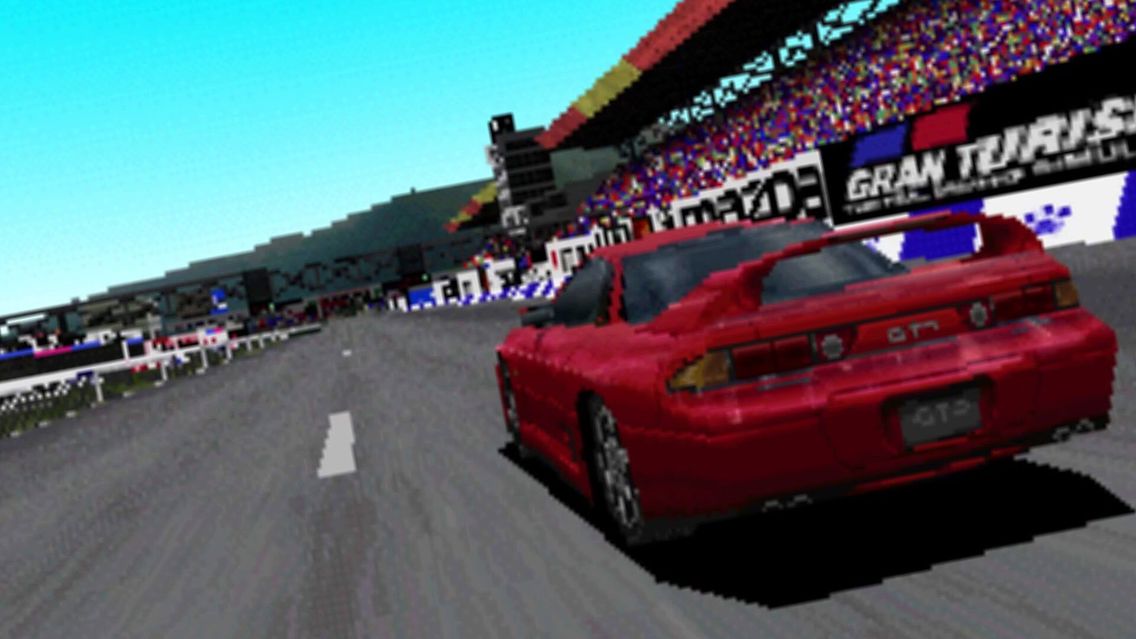
Just ask the developers of Gran Turismo.
The series has long been criticised for its relatively restrained damage modelling, particularly when compared with games that make a much bigger deal out of smashing cars into things. But there’s a reason for that: manufacturers have historically been reluctant to see their prized products comprehensively destroyed on screen.
Kazunori Yamauchi has previously explained that some manufacturers were happy to allow damage, while others simply wouldn't permit it. As a result, damage features in Gran Turismo have often varied between cars, with road cars generally receiving a more conservative treatment than racing machinery.
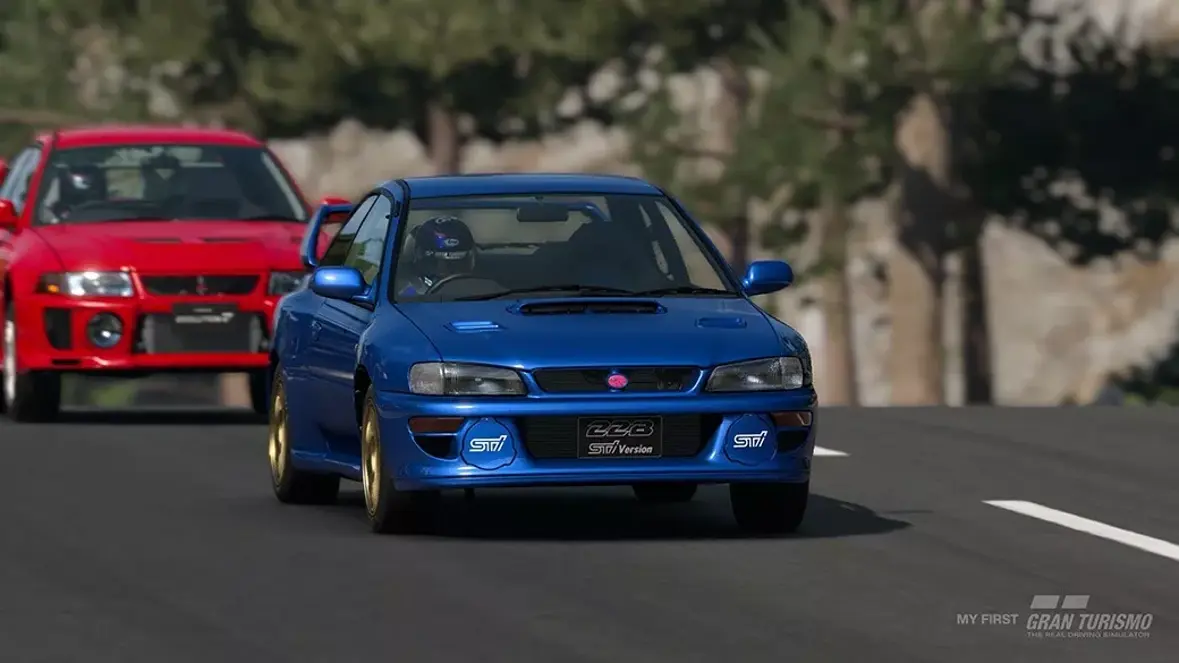
It’s a slightly ridiculous situation when you consider that a racing game is supposed to simulate what happens when you drive a car into a wall at 200km/h. But if the manufacturer supplying the licence doesn't want its car shown with a smashed-up front end, the developer has to find a compromise.
And that’s the difference between GTA and the "real-car" games. Rockstar can send its fictional supercars flying through the air, set them on fire and leave them in a crumpled heap without having to worry about upsetting Ferrari or Mercedes-Benz.
The manufacturers may be happy to have their cars in a game, but they still want a say in how those cars are treated.
When the joke becomes the product
The really interesting thing about GTA VI is that the game’s fictional cars are now so convincing that they have become part of the wider automotive conversation.
Rockstar's approach has always been a clever way of sidestepping the restrictions that come with real-world licensing. But as the cars become more realistic, and as manufacturers increasingly embrace the game’s cultural influence, that distinction is becoming less clear.
The car industry is now perfectly happy to borrow the GTA aesthetic when it suits them, while Rockstar continues to borrow from the car industry without having to ask permission. It’s a rather neat arrangement, really.
And if the end result is that GTA VI gives us some of the most convincing fictional cars ever created, while the real manufacturers get a little free publicity along the way, then everyone seems to be winning.
Except perhaps the lawyers. They must be quite disappointed with it all.


