



- Mercedes-Benz Vans has started VLE series production at Vitoria, beginning its next electric van phase.
- The VLE is the first production model on the company's new modular van architecture.
- More than one billion euros has gone into the site and new vehicle generation.
Mercedes-Benz Vans has started series production of the new electric Mercedes-Benz VLE at its Vitoria plant, giving the brand's next-generation van programme its first production model.
The VLE is the first series-production vehicle to use Mercedes-Benz Vans' newly developed modular, drive-flexible architecture. That matters because the platform has been designed to support both electric and combustion models, rather than locking the plant into a single powertrain path.
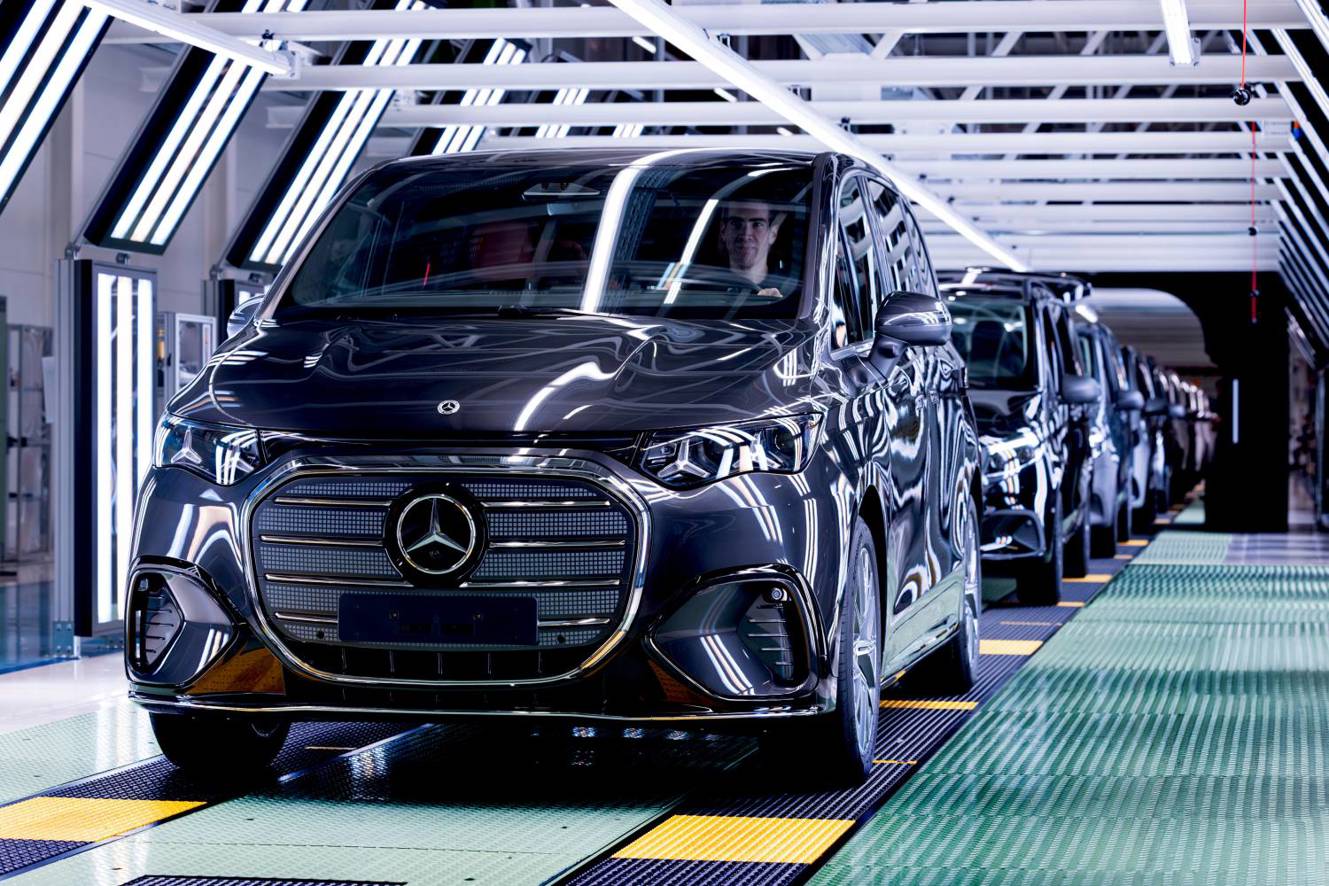
For Mercedes-Benz, the start of VLE production is also being framed as the beginning of a new "Grand Limousine" era. The company says the VLE is intended to combine sedan-like comfort and driving dynamics with MPV-style space, versatility and flexibility.
Vitoria is central to the production story. Mercedes-Benz says the site is being transformed into a modern, sustainable and strategically important hub for its next generation of vans. The scale of the work is substantial: according to the company, more than one billion euros has been invested in the site and in production of the new vehicle generation.
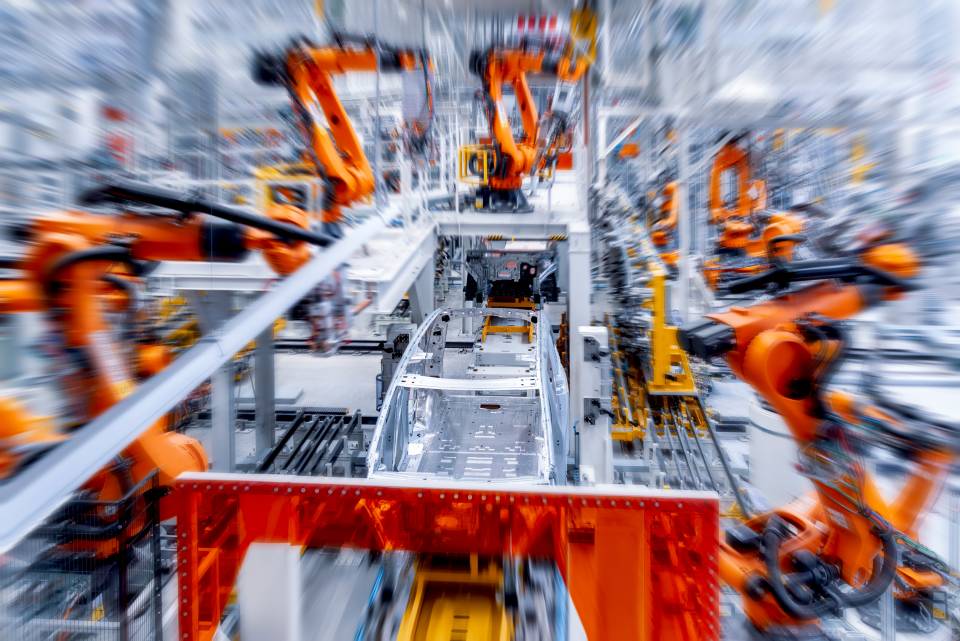
That investment covers a flexible production setup across the body shop, paint shop and assembly areas, allowing Vitoria to build electric and combustion vehicles. In practical terms, it gives Mercedes-Benz Vans room to adjust output as market demand shifts between powertrains.
The VLE also arrives with 800-volt technology and claimed WLTP range of more than 700km, although Mercedes-Benz has not disclosed New Zealand launch timing, pricing or local specification details.
For now, the headline is straightforward: Mercedes-Benz has moved the VLE from programme promise to production reality, and Vitoria is the plant chosen to carry that first step.


