



- BMW forecasts supply-chain CO2e reductions of about 37% for the i3 and 30% for combustion models.
- The i3 50 xDrive is expected to contain around 31% secondary materials by overall vehicle weight.
- A TÜV-verified Product Carbon Footprint is due when the new 3 Series enters series production.
BMW is putting shorter supply routes and recycled materials at the centre of the next 3 Series, with preliminary forecasts pointing to substantial cuts in supply-chain emissions.
The company expects supply-chain CO2e emissions to fall by about 37% for the electric i3 and 30% for the combustion-engined 3 Series. Those estimates remain preliminary, with BMW planning to publish a TÜV-verified Product Carbon Footprint when series production begins.
That distinction matters: the figures describe the expected footprint of building and supplying the cars, rather than tailpipe emissions or whole-of-life savings.
More recycled material
BMW forecasts that secondary materials will account for around 31% of the i3 50 xDrive by vehicle weight. The corresponding share for the combustion 3 Series is expected to be about 25%.
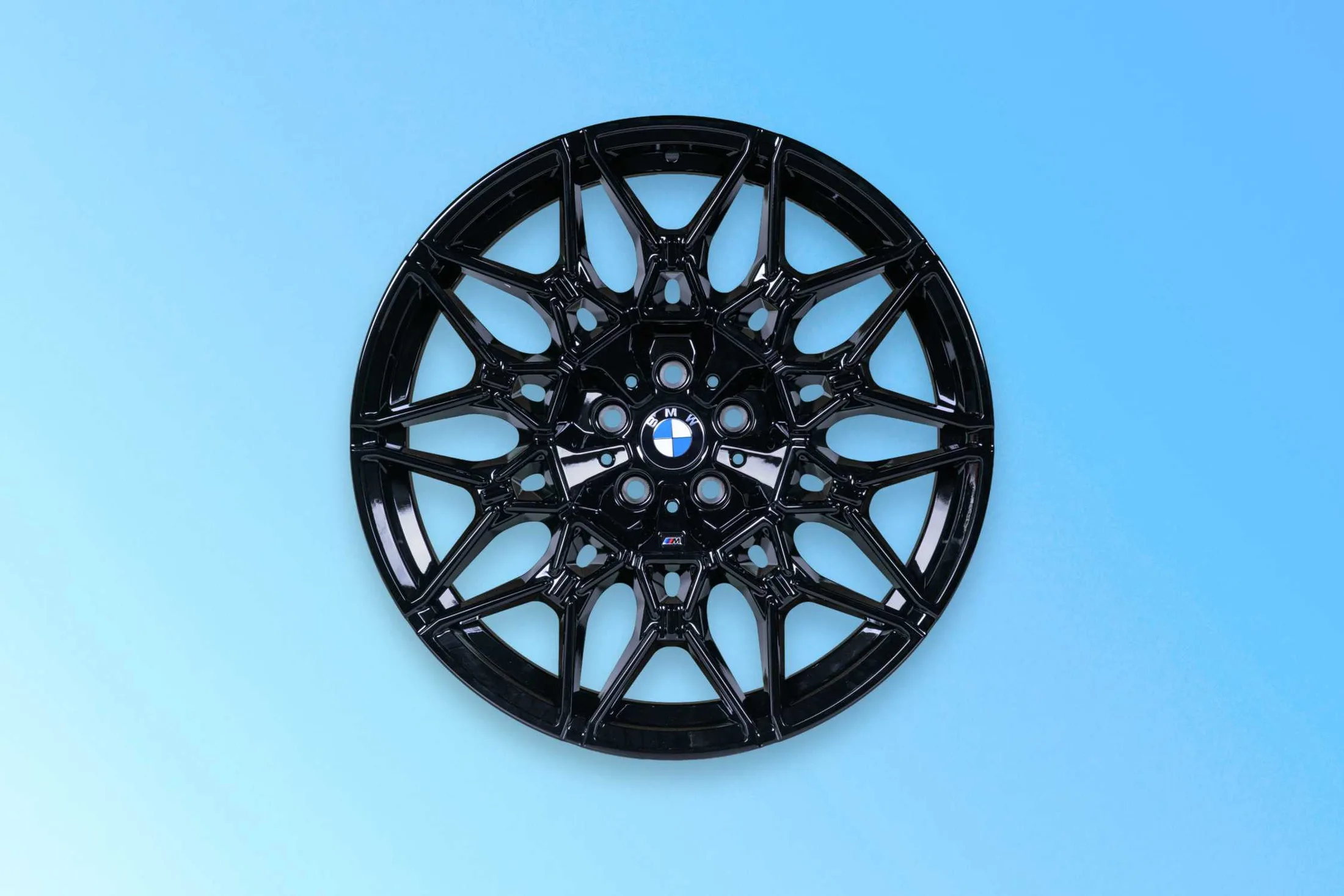
One tangible example sits right at the front of the car. The bonnet is set to use roughly 70% recycled aluminium, reducing reliance on newly produced metal while keeping the material in a high-value automotive application.
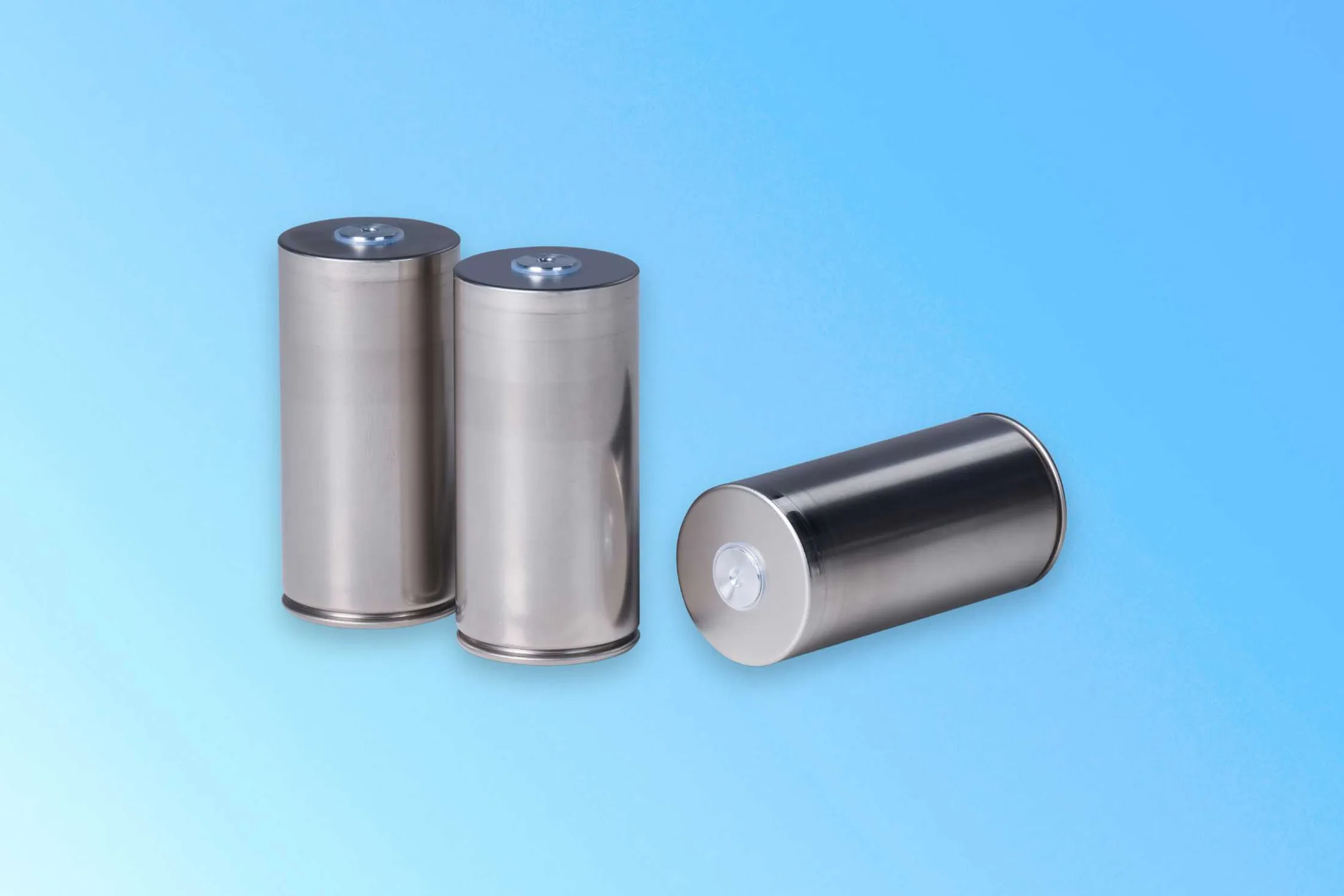
The battery also carries a lower projected manufacturing footprint. BMW says the Gen6 cell used by the i3 has a carbon footprint per watt-hour about 33% below that of the Gen5 cell fitted to the i4.
A tighter Bavarian network
The production plan links several Bavarian sites in a relatively compact regional cluster. Dingolfing, Landshut and Irlbach-Strasskirchen will supply the Munich operation, shortening the distances between component manufacture and final vehicle production.
Together, the measures show how BMW is approaching the next 3 Series from several directions: changing material inputs, refining battery production and bringing key manufacturing steps closer together.
The final verified figures will arrive at series launch. Until then, the 37% and 30% reductions remain BMW's forecasts rather than completed production results.


