


- Radical concept previews look of mainstream Polestars to come.
- Formula 2030 is shorter than Polestar 4 and lower than the 5.
- New Polestar 2 due in 2027, 7 compact-SUV in 2028.
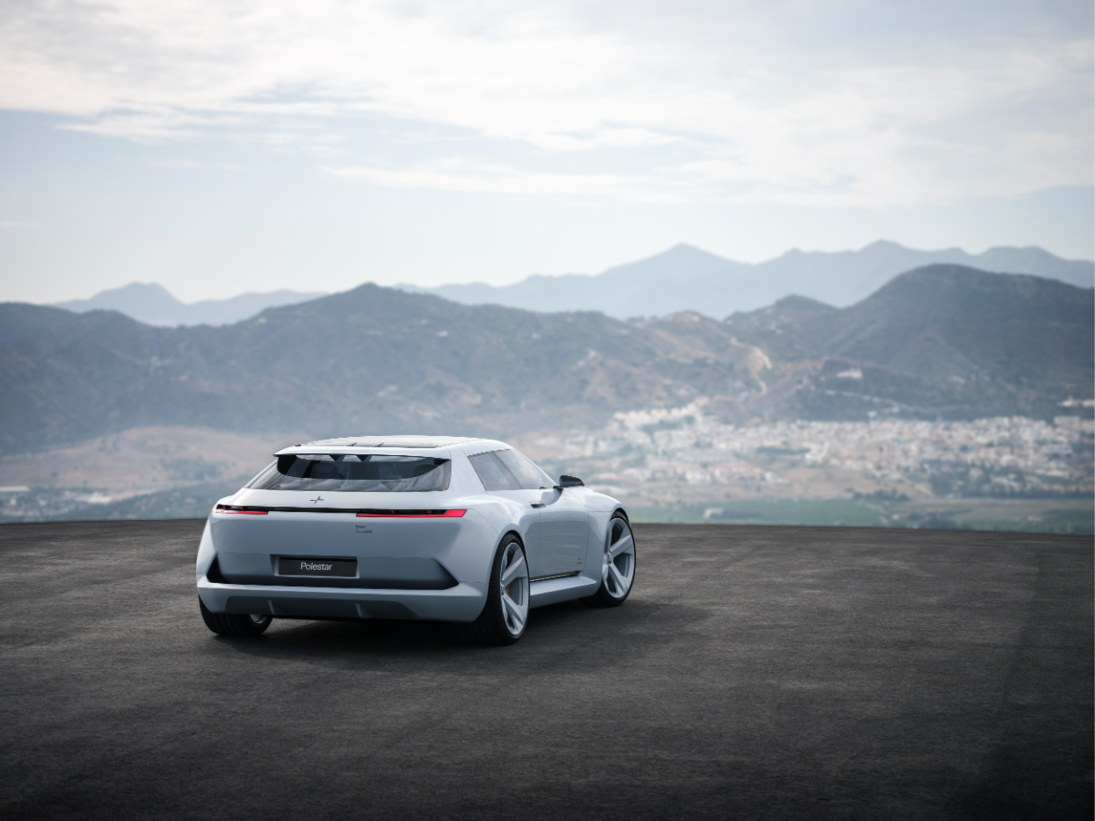
Formula 2030 is a low-slung sports car, but the is new concept is the best indication yet of what next year's all-new Polestar 2 will look like. It will also inform the look of a new compact SUV for 2028, the Polestar 7.
The first-generation Polestar 2 was discontinued in New Zealand at the end of last year, although global production continued until last month. It was the model that introduced the brand to Kiwi consumers, with around 2000 cars sold to Kiwis over four years.
It's a car of such importance to Polestar, it has elected to eschew its usual naming strategy of assigning the next number in sequence to any new model regardless of market position or size, and reapply the "2" badge to the new model, to maintain consumer recognition.
Philipp Römers, head of design at Polestar, says: “Design should always reflect the values and mission of a brand and that is exactly what we did with Polestar Formula 2030 concept. It is a physical embodiment of how we apply Polestar‘s core values of design, performance and sustainability to the next production cars.”
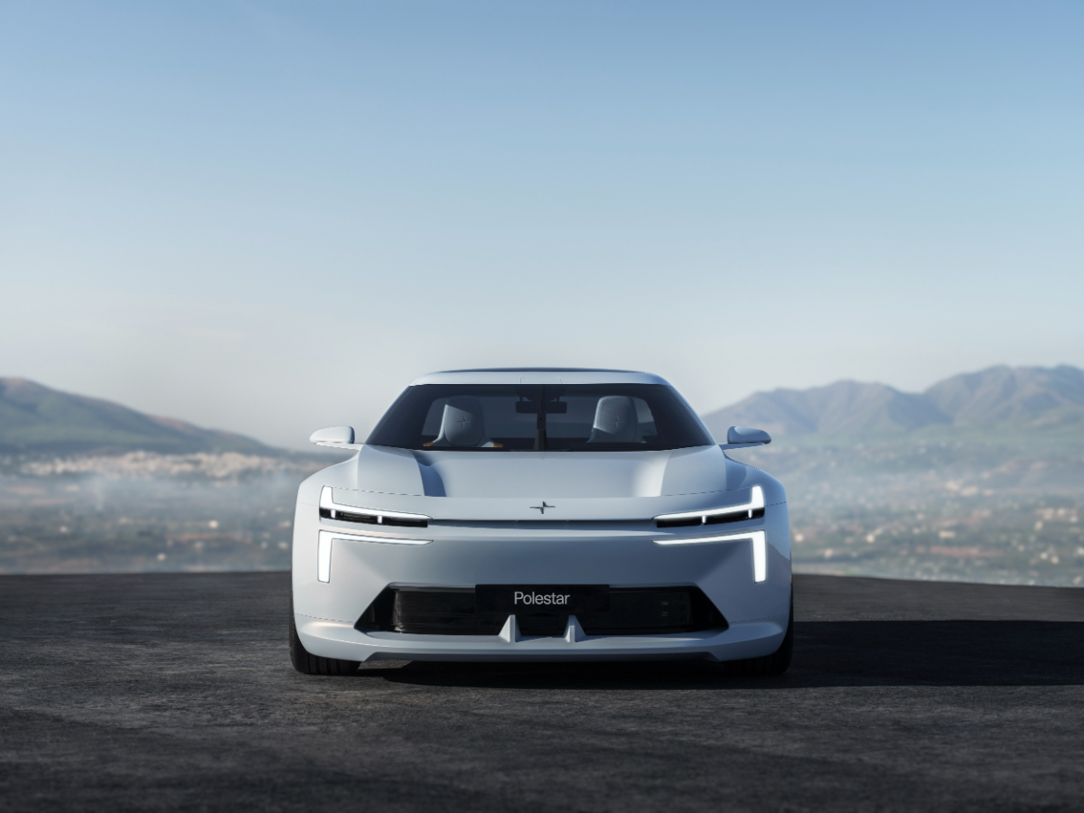
Formula 2030 is 4680mm long (200mm shorter than the Polestar 4), just over 2 metres wide and has a roof height of just 1350mm – even lower than the just-launched Polestar 5 luxury GT. The company says the size puts it "somewhere between the forthcoming Polestar 2 and Polestar 7 dimensionally". It takes inspiration from the Polestar 4 SUV for its "hint towards low-slung practicality".
Polestar says the Dual Blade headlights directly reference the next Polestar 2, while the integrated aero wing is inspired by the Polestar 3.
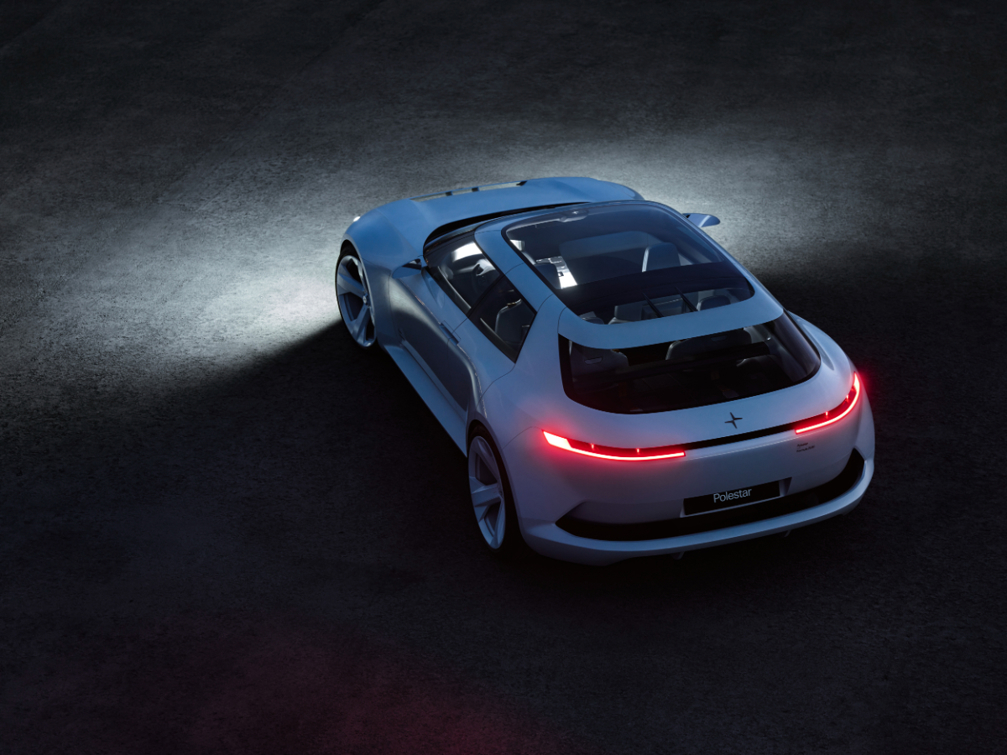
At the "UFO-esque" rear, Formula 2030 introdces a new lighting signature, with the lightbar removed and new Single Blade rear lights that will be introduced on future production models.
Inside Formula 2030
At the centre of the cabin is the 20-inch HyperDIM, a curved driver information monitor, mounted directly to the steering column. The 12.2-inch centre screen display (CSD) is integrated into the centre tunnel.
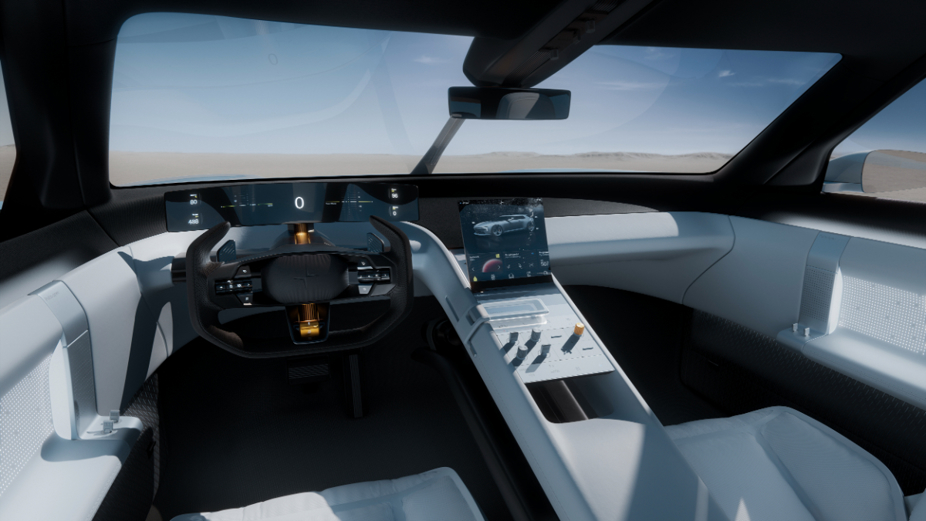
Three different drive modes, Performance, Normal and Autonomous, are selected by sliding the drive mode selector forward through the plane of the centre console. The physical attitude of the CSD and driving position change to reflect the mode chosen.
In Autonomous mode the CSD remains upright, while the seat and steering wheel move away from each other as the vehicle takes more control. As the driver moves through Normal mode to Performance, the CSD lowers further and sits flush into the surface while the steering wheel – and HyperDIM – pull themselves closer to the driver’s chest.
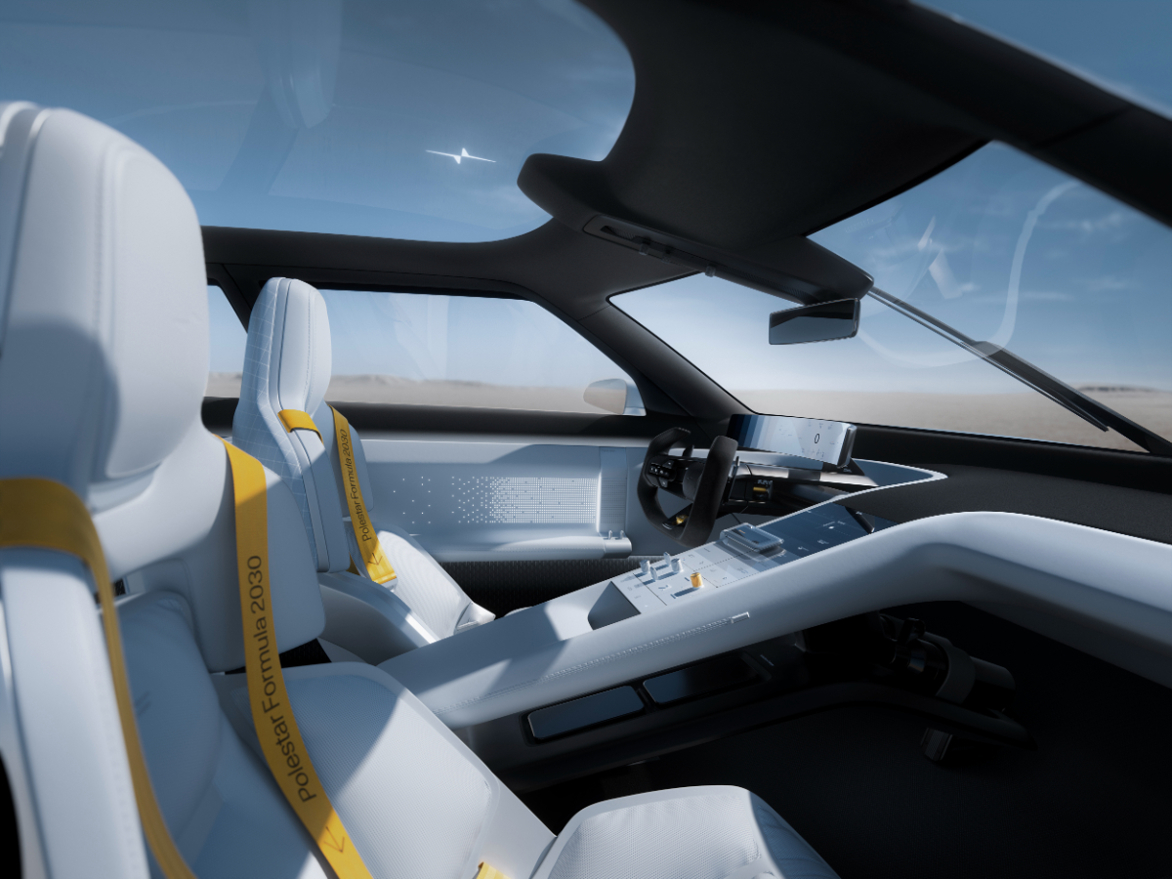
Polestar says it is "committing to rebalance the mix of physical and digital with a mechatronics solution for its controls". It's introducing more physical buttons, in other words.
Sustainable cabin materials are always a Polestar theme. The interior of the doors is fully recyclable, while exposed structural interior parts such as the seat frame and cross car beam are made from low-emission galvanized steel.
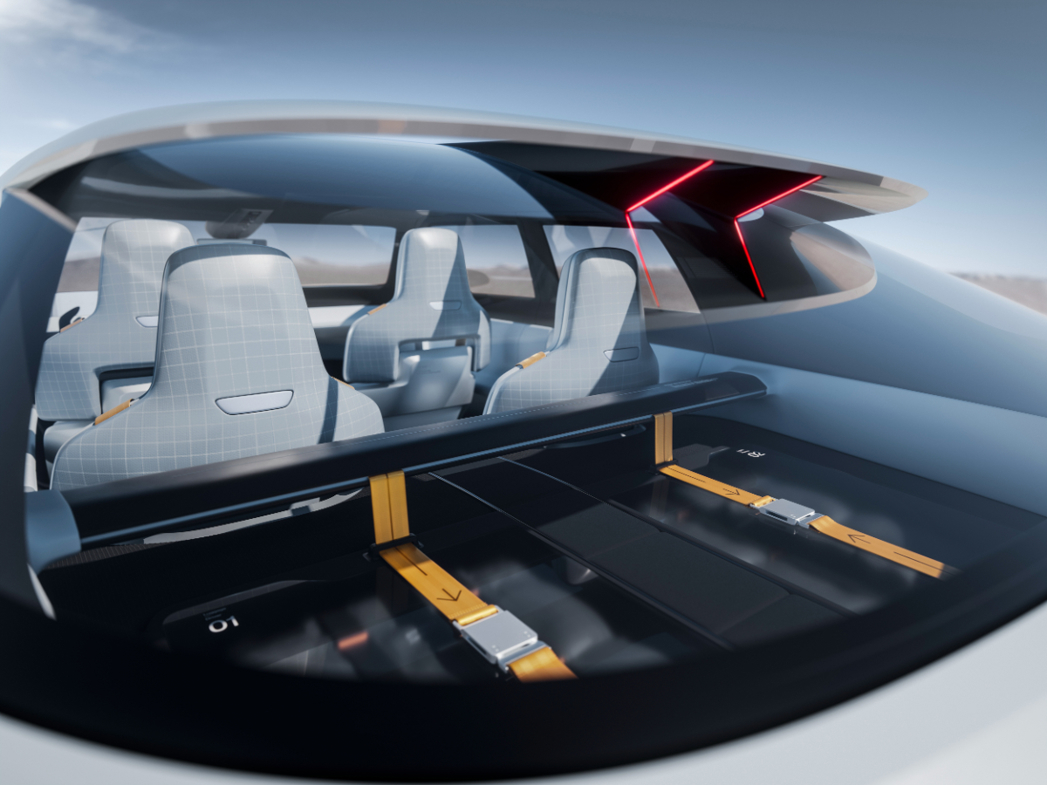
The seat back is made from a bio-based composite, replacing traditional virgin plastics, that combines European flax and bio-based polypropylene in a signature grid weave and colour inspired by the fields that provide the raw material.
Beneath the transparent boot floor, bespoke Polestar bags are secured with Swedish gold luggage staps. Lifting the rear clamshell for access to the luggage area exposes the body structure, including Bcomp’s natural fibre composite with Polestar’s signature weave.
The concept’s Öhlins dampers are also on show, while the front luggage compartment – providing dedicated space for race helmets and a fire extinguisher – is framed by a Swedish gold strut brace.
Nitrogen on the outside
Formula 2030 is finished in a new exterior colour, Nitrogen, which is specific to the concept and designed to react dynamically to natural light.
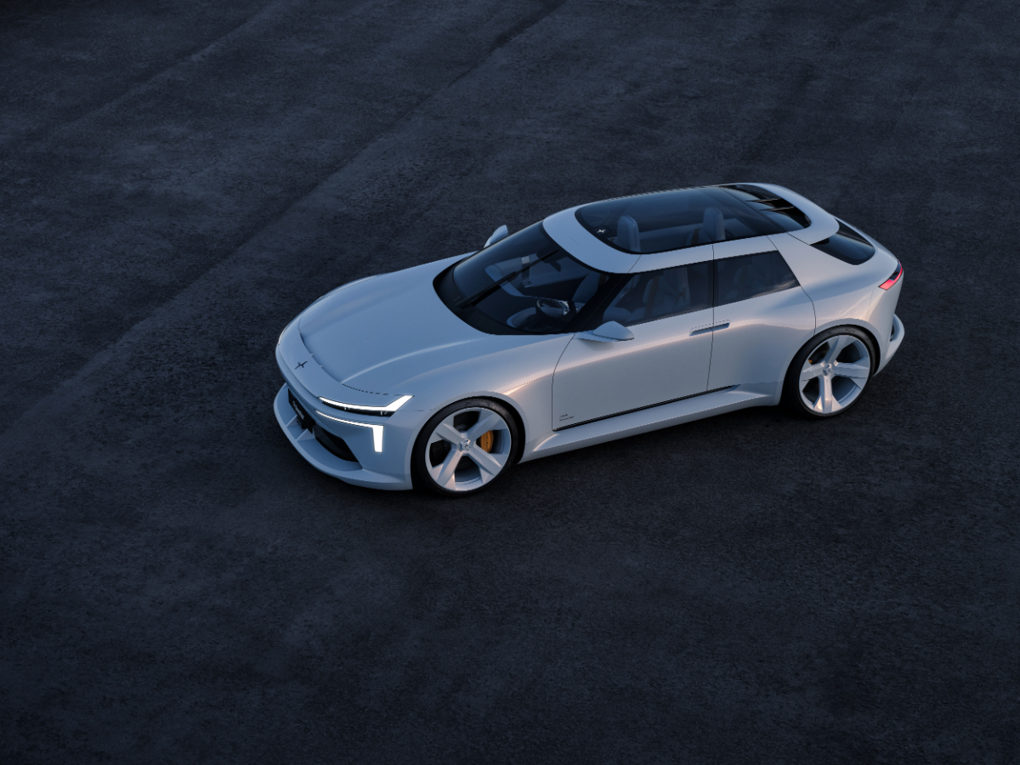
Variations of gloss, matt and satin finishes are used. Swedish Gold, the brand’s Performance signature colour, is found on the Brembo brake calipers, valve caps, interior detailing and seat belts.


