



By Dane Fisher, group general manager, NordEast Vehicle Distributors
One year ago, we launched NordEast Vehicle Distributors around a simple belief: the future of motoring would not be defined by one brand or one technology.
We believed New Zealand motorists would increasingly want more choice, more flexibility and vehicles that met their individual needs.
Twelve months later, I am more convinced than ever that we were right.
NordEast has made strong progress in its first year. Year to date, we have delivered 2,280 vehicles, up 150% on the same period last year.
September was our strongest month yet, with a record 448 deliveries across our six-brand portfolio. Geely also achieved a record month, delivering 242 vehicles and finishing just outside NZ’s top 10 passenger vehicle brands in 13th place.
When we launched NordEast, we set ourselves an audacious goal: to reach 5000 annual vehicle sales by the end of 2028.
At the time, it felt appropriately ambitious. Yet in September, only one year into our journey, we were already operating at that sort of annualised run rate.
A goal that once appeared audacious is quickly starting to look like business as usual.
What strikes me most, however, is not what those results say about NordEast. It is what they say about the NZ vehicle market.
Consumer preferences are changing faster than many in the industry expected. New technologies are being adopted more quickly. New brands are establishing credibility in less time. Long held assumptions about where a vehicle comes from are being challenged.
Through all of that change, one thing has become increasingly clear to me.
Customers are not asking what technology is best.
They are asking what technology is best for them.
Choice is driving change
For years, the automotive industry framed the future as a contest.
Electric versus petrol. Battery electric versus hybrid. New technology versus traditional technology.
Customers have largely moved beyond that debate.
They want a vehicle that suits their family, lifestyle, budget or business. Then they want the freedom to select the technology that makes the most sense for how they will use it.
The needs of a family commuting across Auckland are different from those of someone regularly towing a boat in Northland. A courier driving hundreds of kilometres each week has different requirements from someone travelling 10 minutes to work. A fleet operator focused on total cost of ownership has different priorities again.
There is no universal answer because there is no universal customer.
The market numbers underline just how quickly attitudes are changing.
This year, sales of plug in vehicles, comprising battery electric and plug in hybrid models, have increased by 138%. At the same time, Chinese passenger vehicle sales have risen by 92% and now represent around one in every four passenger vehicles sold in NZ.
These are extraordinary changes in a relatively short period.
They suggest customers are becoming less concerned about traditional labels and increasingly focused on what a vehicle delivers: technology, quality, safety, value and a strong ownership experience.
That does not mean heritage is no longer important. It means a well engineered and well supported vehicle can now earn consideration based on its merits, regardless of whether the badge has been present in NZ for five years or fifty.
One vehicle, three technologies
One of the vehicles we expect to introduce in NZ next year illustrates how far the industry has come.
It is a small SUV that will be available with three distinct powertrains: hybrid electric, plug in hybrid electric and battery electric.
The same vehicle.
The same design.
The same practical package.
Three different powertrain choices.
Not long ago, different technologies often required entirely different vehicles. Customers had to decide whether they wanted an electric vehicle before they had even considered whether the design and package met their needs.
That order is changing.
Increasingly, customers can find a vehicle they like, confirm that it meets their practical requirements and then select the powertrain that best fits their life.
Some will choose a hybrid because they want greater efficiency without needing to plug in. Others will choose a plug in hybrid because it suits their daily driving while retaining flexibility for longer journeys. Many will be ready to move directly into a battery electric vehicle.
None of those decisions is inherently right or wrong.
They are simply different answers to different customer needs.
That is a significant shift. It shows how flexible platforms and rapidly advancing technology are allowing the powertrain to work around the customer and the vehicle package, rather than asking the customer to compromise.
Why Geely is well positioned
This is one of the reasons Geely Group’s rise has been so significant.
While much of the automotive industry spent years debating which technology would ultimately win, Geely invested across multiple technologies, multiple brands and multiple customer segments.
Rather than placing everything behind one answer, it has built an ecosystem capable of meeting customers at different points in their electrification journey.
That philosophy is reflected across the six Geely Group brands represented by NordEast in NZ.
Volvo combines safety, design and premium electrification.
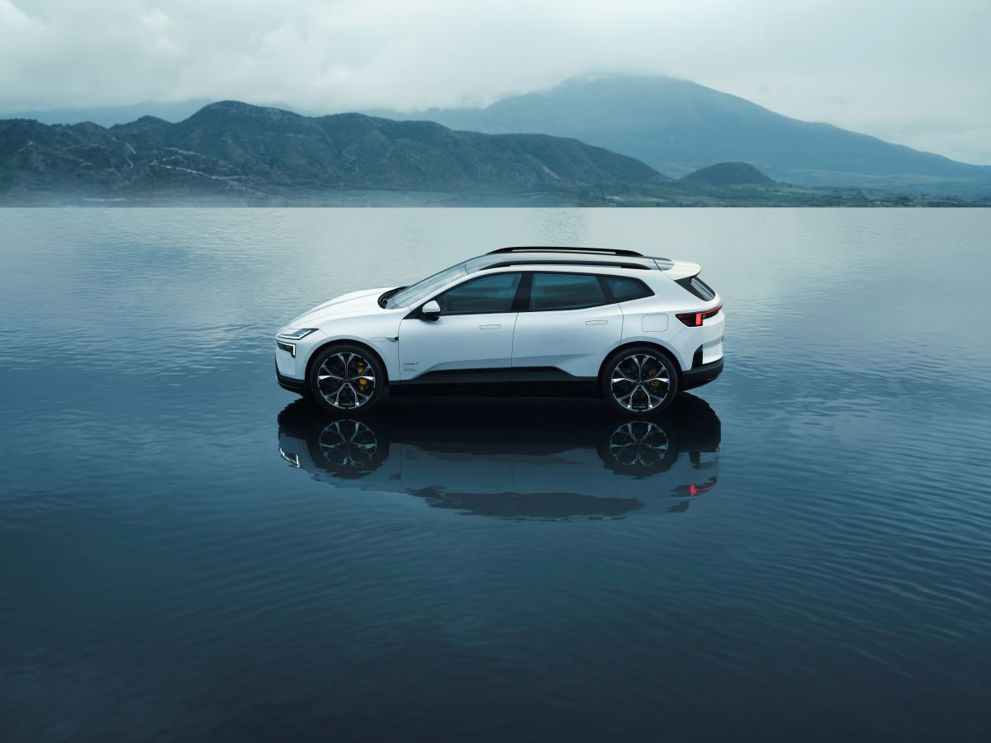
Polestar brings performance and design led electric mobility.
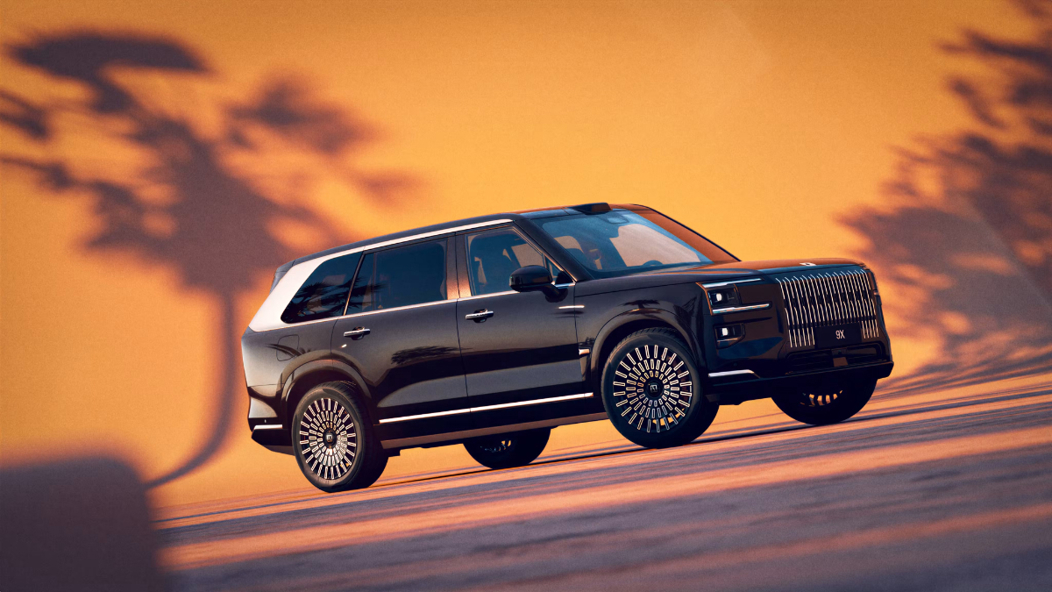
Zeekr is focused on advanced technology and premium electric vehicles.
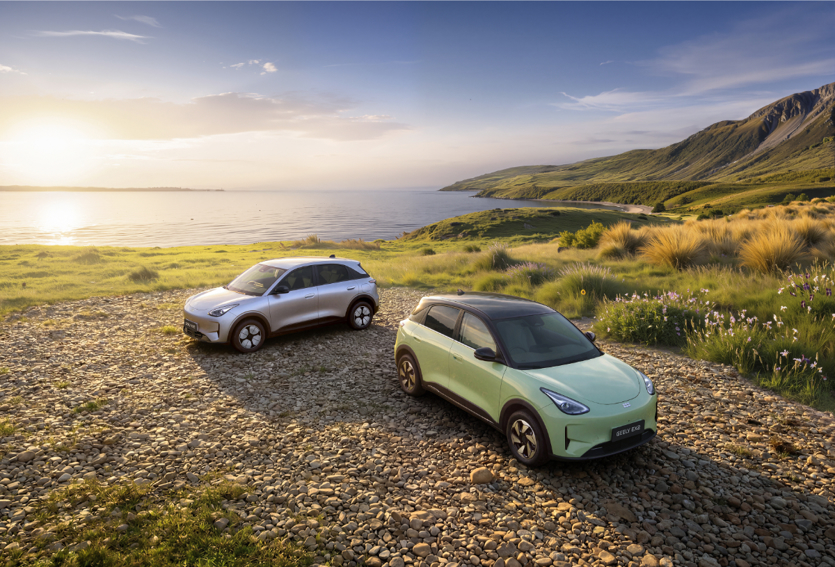
Geely is making highly specified electrified vehicles accessible to a broader group of customers.
Lotus is redefining high performance for an electrified era.
Farizon is applying electric vehicle technology to commercial transport, where operating costs and vehicle utilisation are critical.
The importance of this portfolio is not simply the number of brands within it.
It is the breadth of customers and needs it can serve.
Geely is increasingly proving that it belongs in the same consideration set as the world’s leading automotive brands. Its opportunity is not based on price alone. It is being built through engineering, technology, design, scale and the ability to offer consumers meaningful choice.
In NZ, Geely’s September result is an early indication of that potential. Reaching 242 deliveries and 13th place in the passenger market shows how quickly a relatively new name can earn consideration when the product and customer proposition are right.
The market is maturing
When we speak with customers, few begin by asking for a particular powertrain.
They are trying to answer practical questions.
- What will cost me less to run?
- What works for my family?
- How far can I travel?
- Where will I charge it?
- What happens when I need servicing?
- Will it work for my business?
The conversation is becoming less ideological and much more practical. That is a sign of a maturing market.
The manufacturers that succeed over the next decade will not necessarily be those that bet everything on one technology.
They will be the ones that best understand their customers, offer genuine choice and make new technology easy to adopt.
NordEast’s first year has reinforced that view.
Electrification is accelerating. Chinese brands are growing. Customer expectations are changing. Vehicles are becoming more capable, while the distinction between different technologies is becoming less important to the customer than the outcome they deliver.
For years, the industry has debated which technology will win.
The answer may be simpler than many of us expected.
The winners will be the brands that give customers the freedom to choose.
The future is not one size fits all.
It is choice.
And that is exactly what makes the next chapter of motoring so exciting.