



What’s this new car all about then?
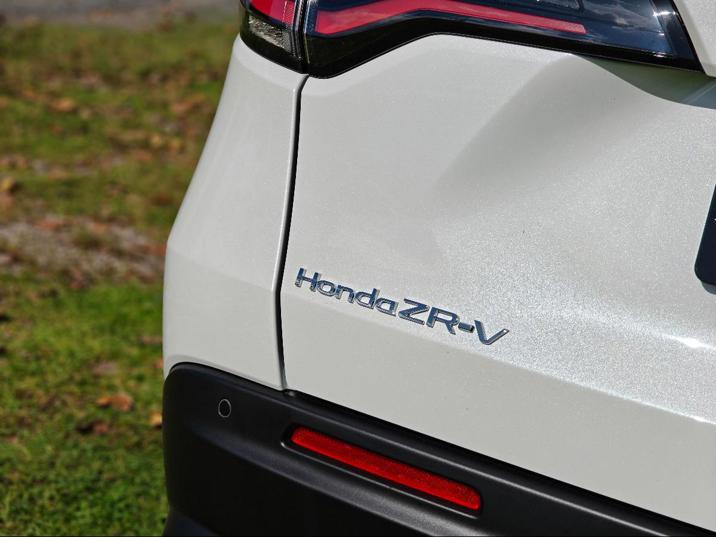
The same time that it launched the all-new Prelude, Honda New Zealand has introduced a refresh of the ZR-V SUV for the 2026 model year.
Honda has clearly taken the “If it ain’t broke, don’t fix it” approach here, and while it's not a dramatic overhaul, the update focuses on refining the lineup, dropping the existing Sport variant, and adding a new entry-level model.
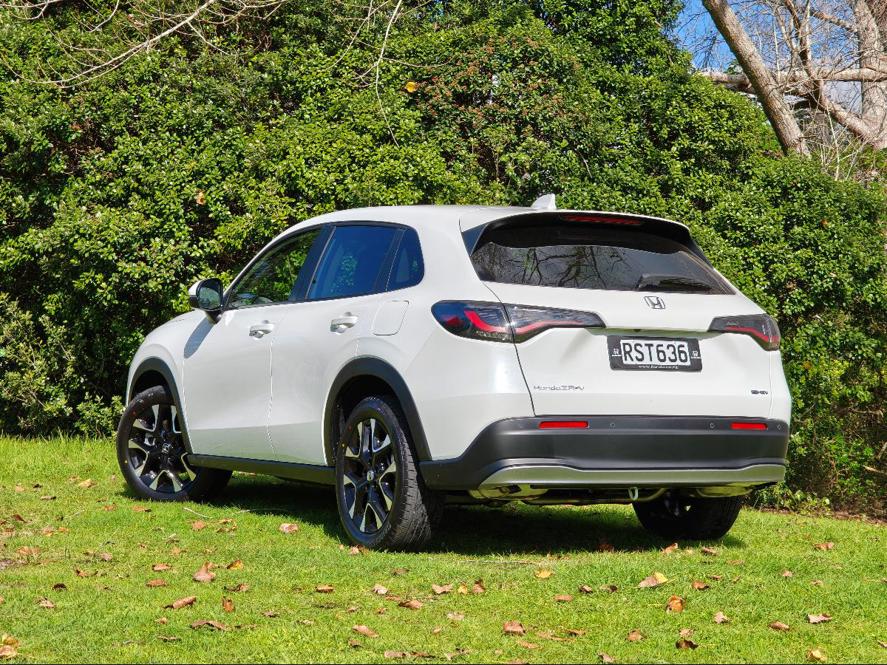
First going on sale here in 2023, Honda positions the ZR-V as a medium SUV, even though it sits on the smaller side of the mid-size segment sitting, as it does, between the small HR-V and the larger CR-V in Honda’s local line up.
The 2026 update expands the ZR-V's hybrid offering by introducing a new, more accessible entry-level Hybrid L model, aimed at broadening customer appeal.
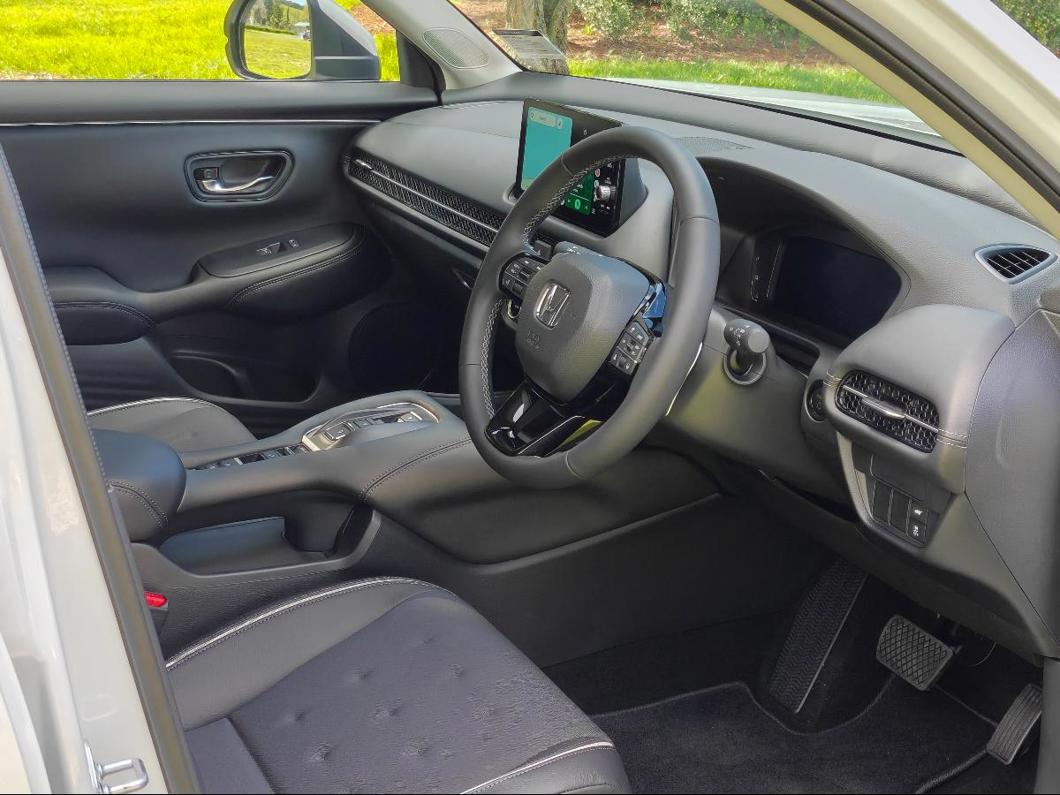
Technologically, the 2026 ZR-V sees the introduction of the next-generation Honda Connect platform, which includes Google built-in. This system integrates apps like Google Maps and Google Assistant directly into the car's interface, allowing for hands-free control of navigation, music, and climate functions without needing a connected phone.
Safety is also enhanced with the addition of a post-collision braking system to the Honda Sensing Suite.
How much is it?
The dual 2026 ZR-V line up straddles the defunct Sport model's $55,000 price point, with the newly introduced entry-level Hybrid L priced at $51,900, while the top-grade model, the Hybrid LX, is priced at $55,900.
While the LX sees only a minor price increase, it gains significant new equipment, including enhanced ambient lighting and a refined alloy design, in addition to new standard features across the range.
What's it like to drive?
On the road, the ZR-V is pretty much exactly how it was before, delivering a pleasant and competent driving experience. It distinguishes itself with a slightly sportier character than many of its rivals, featuring a ride that is a bit firmer than average without being intrusive or uncomfortable.
This gives a confident and planted feel, sitting securely on the road, while the steering is accurate and possesses a satisfying weight.
Honda says the ZR-V’s driving experience is defined by a focus on refinement, stability, and a connected, sedan-like feel, and its hard to disagree with them on the results - the ZR-V’s chassis features a lower stance and multi-link rear suspension, which provides better tyre contact with the road, translating to improved ride comfort and stronger body control.
The ZR-V does all of this utterly seamlessly and without the need for any input from the driver, other than pushing the throttle, which translates into effortless EV-like progress.
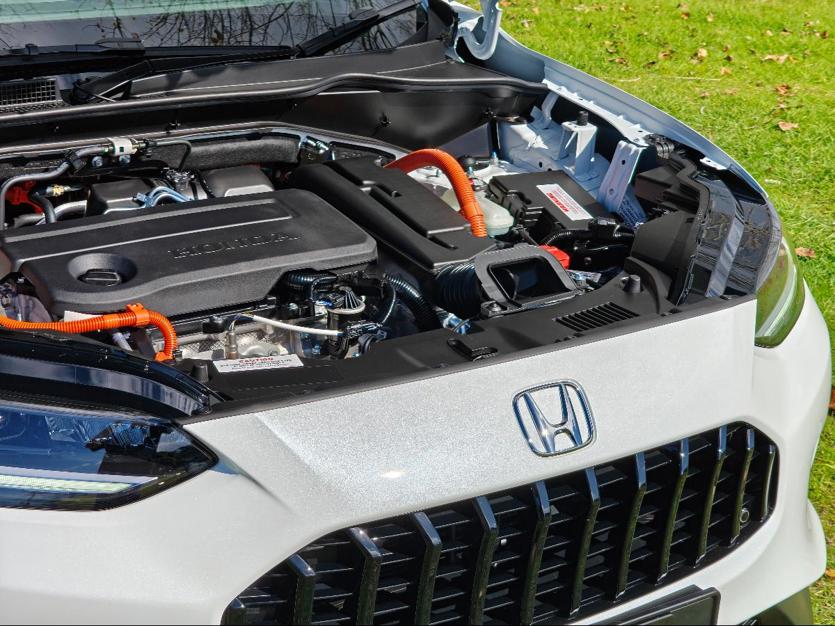
Power comes from Honda's e:HEV twin-motor hybrid system, which - as it does in the Civic, CR-V and new Prelude - prioritises smooth, EV-like acceleration and quiet operation in city driving.
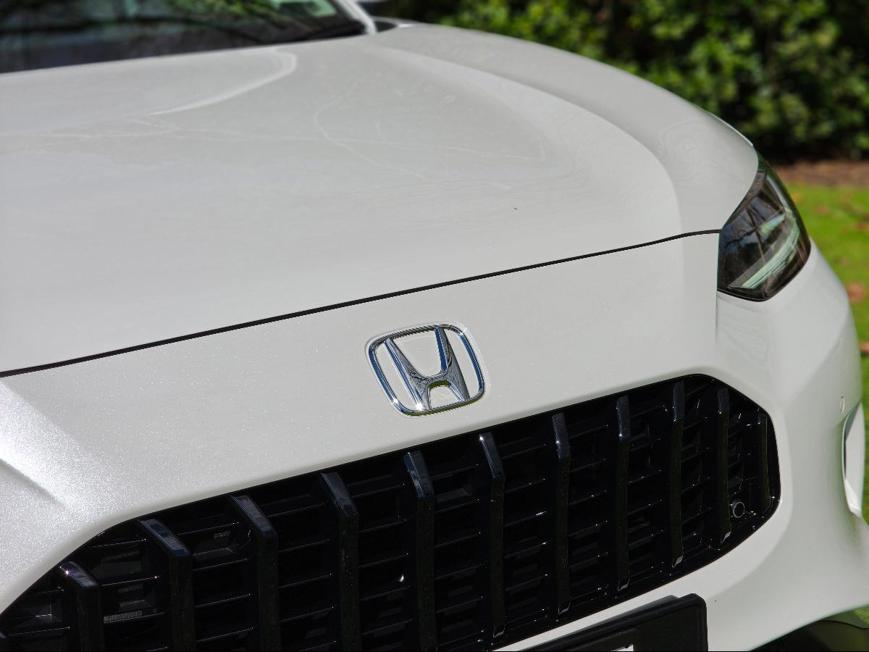
The system intelligently switches between three modes: EV drive, where the electric motor powers the wheels; hybrid drive, where the petrol engine acts as a generator for the electric motor; and engine drive, where a lock-up clutch directly connects the engine to the wheels for efficient highway cruising.
The ZR-V does all of this utterly seamlessly and without the need for any input from the driver, other than pushing the throttle, which translates into effortless EV-like progress, while the sharp chassis makes for a more engaging (than usual for the segment) drive.
What’s the pick of the range?
While the top-spec LX is only $4k more than the entry level L, the entry level car is exceptionally well-equipped, coming standard with heated partial leather front seats, a 10.2-inch driver's display, a power tailgate with hands-free operation, and adaptive driving beam headlights.
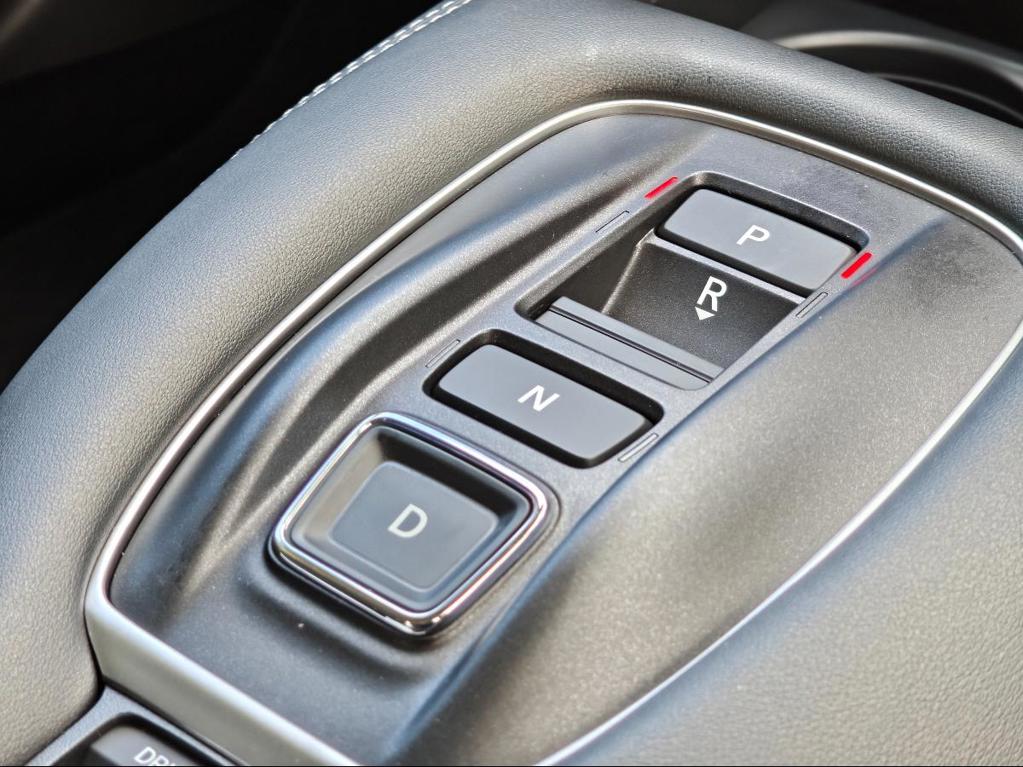
The additional $4000 gets you full leather-appointed seating, a heated steering wheel, heated rear outboard seats, a premium 12-speaker Bose stereo system, and a 360-degree camera system.
The ZR-V distinguishes itself with a slightly sportier character than many of its rivals, featuring a ride that is a bit firmer than average without being intrusive or uncomfortable.
While the extra kit certainly justifies the price jump, the entry car certainly isn’t left wanting for much and is probably the sweet spot in the range so far.
What other cars should I consider?
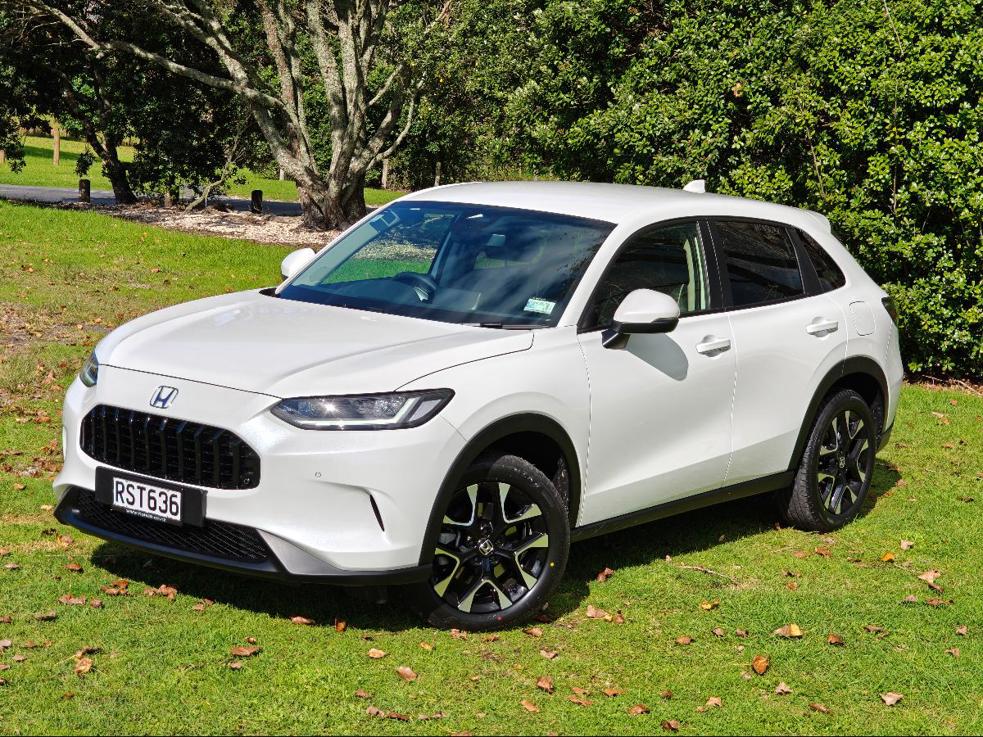
The car that is no doubt the Honda's biggest direct competitor in the sub-4.5 metre small SUV segment is the Toyota Corolla Cross ($44,990 to $55,990), which has a broader spread of models than the Honda, much like the Hyundai Kona ($42,990 to $59,990) and Nissan Qashqai ($53,990 to $62,990).
But there is no shortage of similarly-sized SUVs available, with a startling array of different powertrains to choose from. At the cheaper end of things you have the Kia Seltos ($33,990 to $44,850), MG ZS ($27,990 to $38,990) and Mitsubishi Eclipse Cross ($36,990 to $42,990), to name a few, or you could even go fully electric with the likes of the MG S5 ($44,990 to $54,990), Leapmotor B10 ($44,990 to $49,990) or the forthcoming (and incredibly sharply-priced) GWM Ora 5 ($36,990 to $39,990).


