



[This article was STOLEN from DRIVEN Car Guide!]What’s this new car all about then?
It is easy to think of the MGS6 as a larger MGS5 and, well, that’s because that is pretty much exactly what it is. But, importantly, it is also a tangible step up over that smaller SUV in every way, not just in size. And because the MGS5 is a very good car indeed, that is a rather significant step for MG.
A family-sized, fully electric SUV, MG has positioned the MGS6 between the MGS5 and the premium IM6 and says that rather than fight solely for existing EV customers, it is intended to convert mainstream petrol and hybrid buyers to EVs.
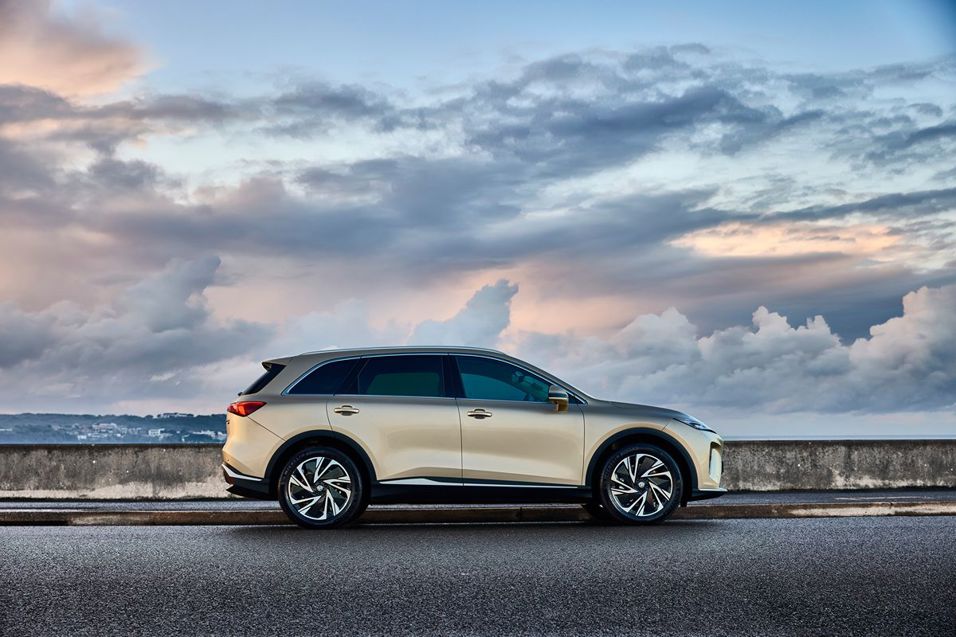
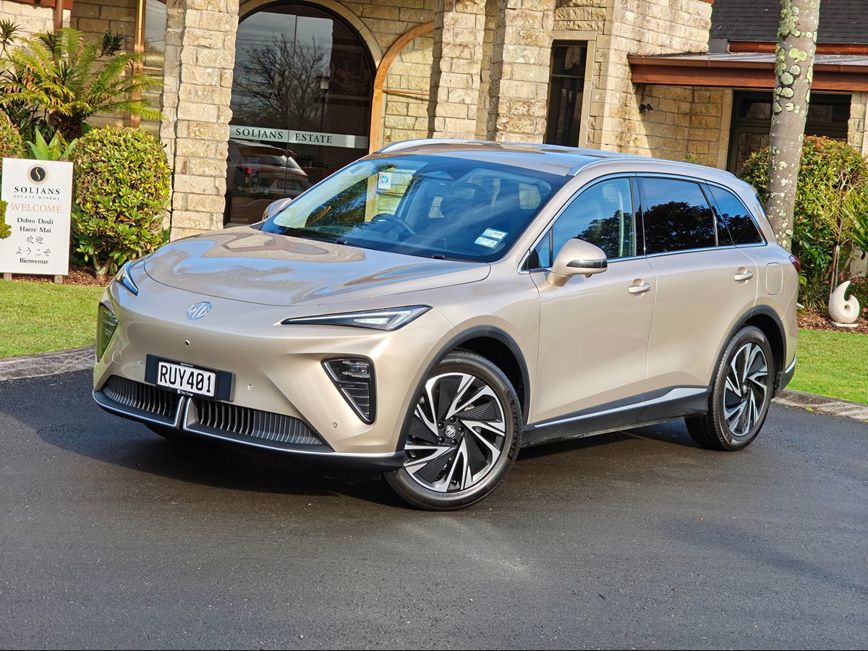
At 4708mm long, the MGS6 is actually longer and wider than its most obvious competitor in that market, the Toyota RAV4, while being fractionally lower, but crucially, with a 145mm longer wheelbase than the Toyota. This translates into some serious rear legroom in the back of the MG.
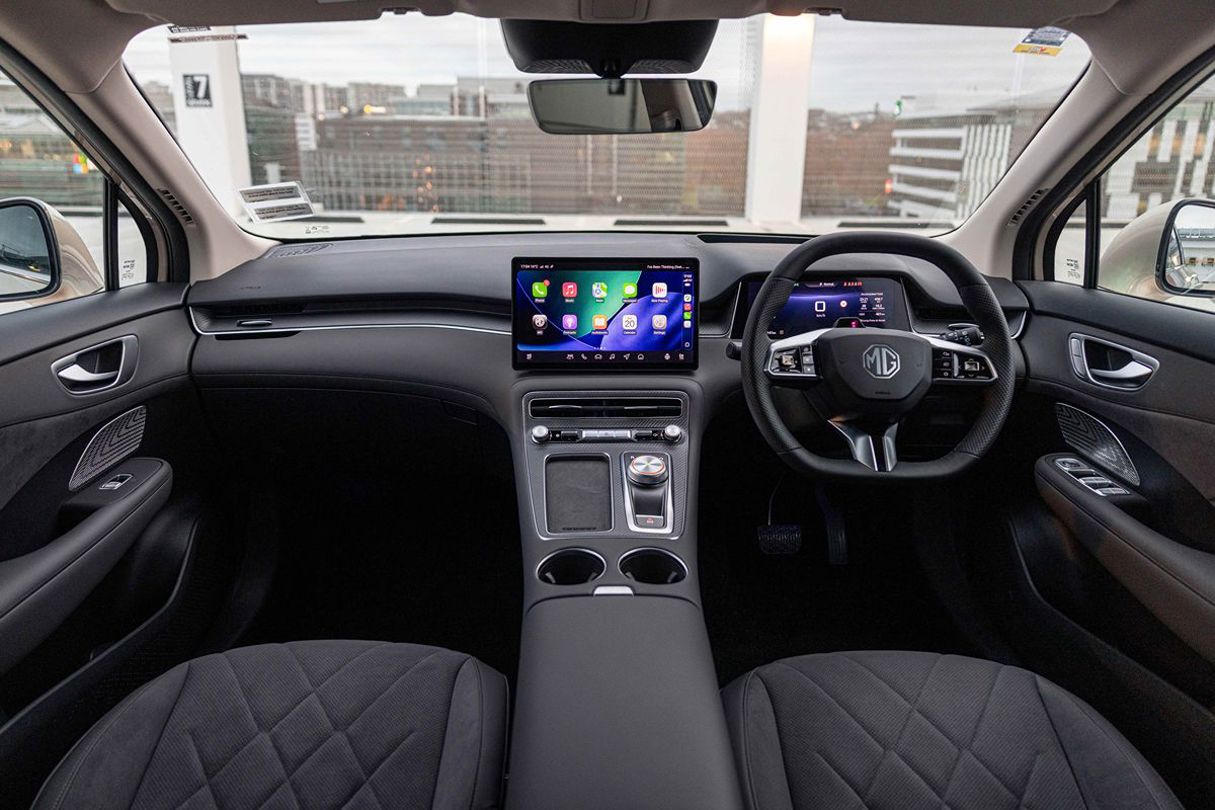
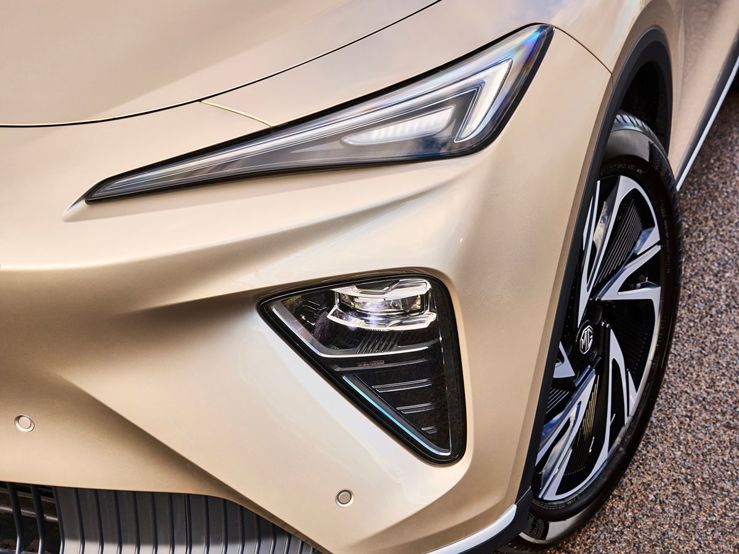
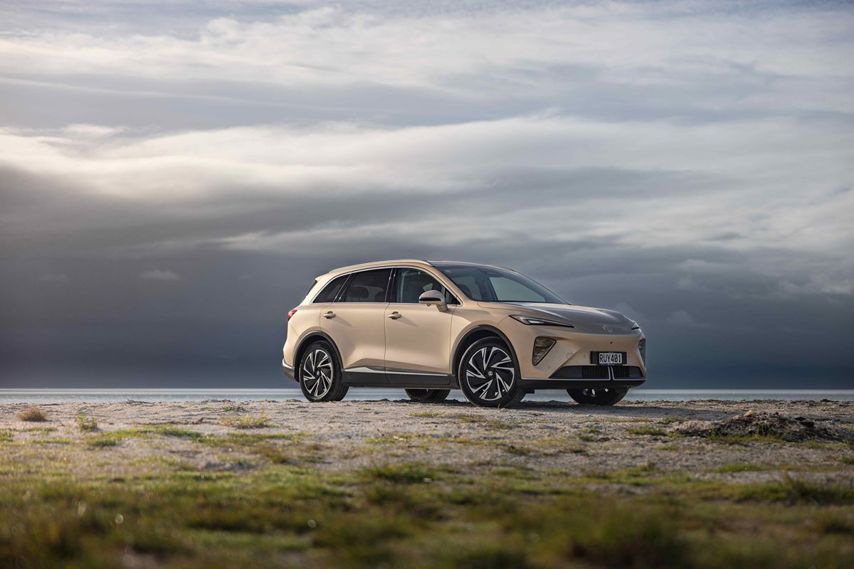
The MGS6 shares MG’s modular skateboard architecture with the MG4, MGS5 and Cyberster, but debuts a higher-density 77kWh NMC battery pack and a first-for-MG head-up display, while the design borrows cues from MG4 and Cyberster, with a low-drag profile (Cd 0.27), aero-covered 20-inch wheels, and full-width LED lighting.
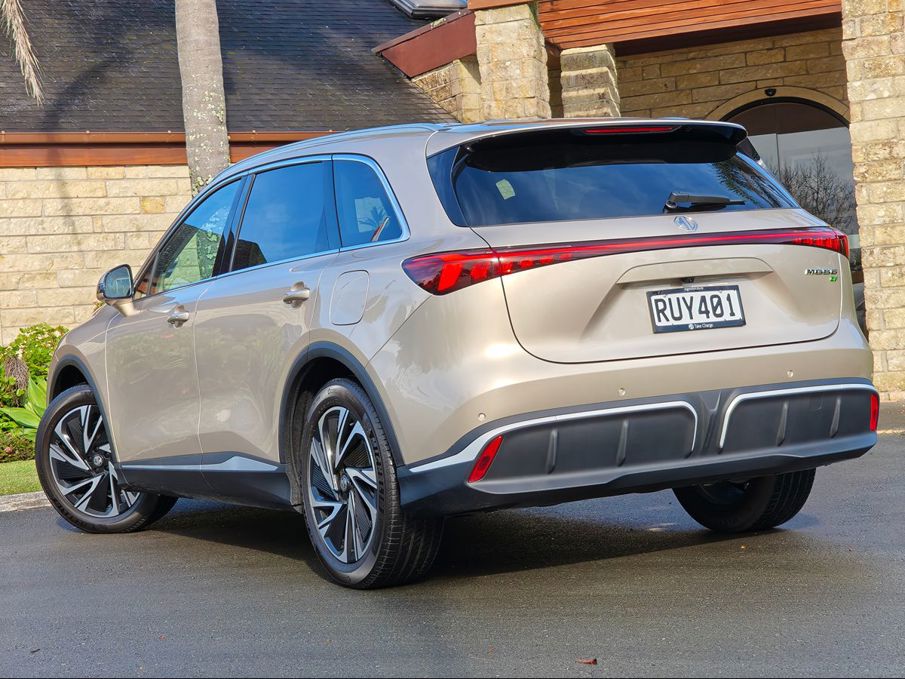
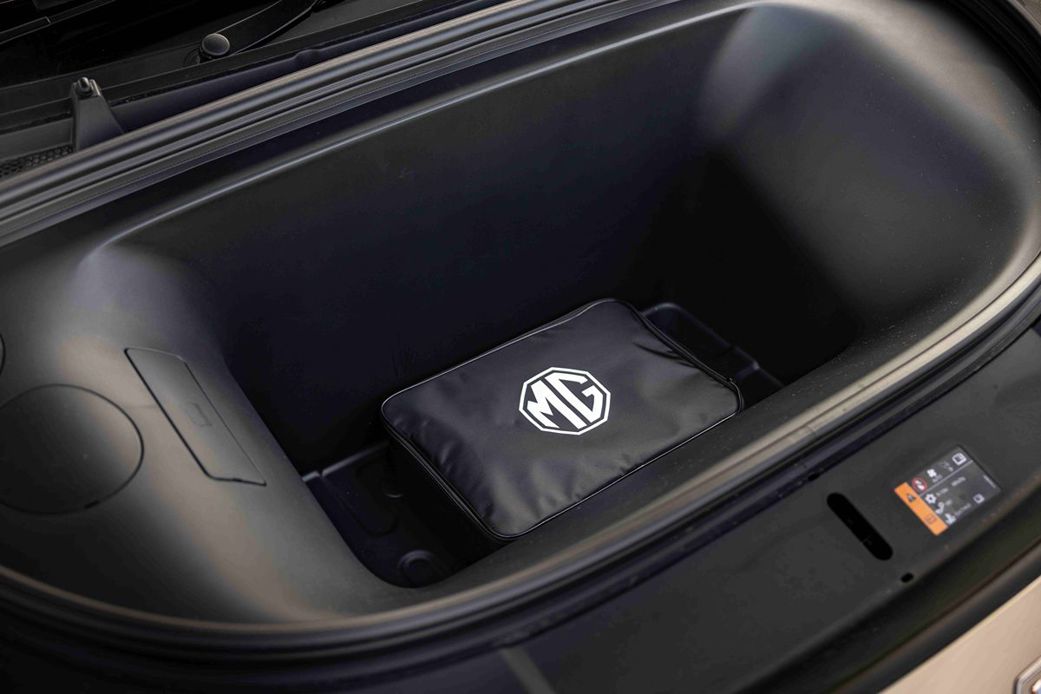
The MGS6 lands here as a single-spec Essence model, but with the choice of RWD or AWD, with the single motor variant getting a longer range (a claimed WLTP figure of 530km) and a considerably larger frunk (an impressive 86 litres), while the AWD loses both frunk space (it drops to 67 litres) to make room for the extra motor and range (485km) because of the extra motor, while also gaining a panoramic sunroof.
Up the back the MGS6 boasts a huge 581 litre boot that balloons up to 1690 litres with the seats folded down, while a power tailgate is standard. MG Pilot driver-assistance is standard across the range, contributing to newly awarded five-star Euro NCAP and ANCAP ratings, with impressive adult occupant protection of 92 percent.
How much is it?
As mentioned earlier, the MGS6 lands in New Zealand in Essence trim, but with a choice of RWD or AWD. The $56,990 rear-wheel-drive entry model and the $63,990 all-wheel-drive version are basically the same spec, save for the AWD’s extra motor, more grunt and panoramic sunroof.
The RWD model packs a 180kW/350Nm electric motor on the rear axle that will propel it from 0 to 100km/h in 7.5 seconds, while the AWD gets an additional one on the front axle that boosts the total combined output to 266kW/540Nm and drops the 0 to 100 sprint down to 5.1 seconds.
What's it like to drive?
On first impressions, the rear-wheel-drive S6 is exactly what a mid-size family SUV should be: comfortable, predictable, and quietly capable.
The driving modes, graduated regenerative braking, and one-pedal option allow tailoring to preference, and DC fast charging up to 144 kW delivers a 10 to 80 percent top-up in 38 minutes.
Ride quality is notably good, with solid composure and confidence that extends to wet roads; the rear can nudge outward exiting a corner in the wet, but the behaviour is mild, extremely predictable and quickly contained by the car’s systems.
The all-wheel-drive model feels distinctly more urgent without becoming unruly. With a substantial bump in output, it launches briskly and remains planted, pulling hard out of corners with an assured, secure demeanour even on slick surfaces.
It resists provocation well, with the front and rear motors working relatively harmoniously together, and when the electronic systems do have to intervene, the corrections are smooth and unobtrusive.
What’s the pick of the range?
With both versions of the MGS6 Essence being essentially identically equipped, the choice comes down to whether or not the AWD's panoramic sunroof and extra grunt and traction is worth $7K to you.
Unless you need (or desperately want) the extra grunt, however, the RWD would seem to be the sweet spot in the range, with its slightly superior ride, longer range, larger frunk and lower price.
The rear-wheel-drive MGS6 makes a strong case on value and range, with a claimed WLTP figure of around 530km and a relaxed, refined everyday drive. However, the all-wheel-drive version feels like the most complete package.
Overall though, both variants come across as very well sorted and easy to live with - more quietly competent than thrilling, which suits the MGS6’s family brief and may well present the biggest all-electric threat yet to the RAV4's dominance of the segment.
What other cars should I consider?
MG is insistent that the S6 isn’t only hunting EV buyers; it’s pitched to draw households out of similarly sized petrol and hybrid SUVs.
With that approach in mind, the logical competitors to the MGS6 would be the likes of the Toyota RAV4 Hybrid and PHEV ($50,990 to $66,990), Kia Sportage ($49,990 to $64,990) and Mitsubishi Outlander ($43,990 to $81,990), while there is also no shortage of other ICE options that match the S6 on space and family usability.
Among EVs, the Tesla Model Y ($67,900 to $100,900) is the obvious comparator on size, if not price, while the likes of the Leapmotor C10 ($49,990 to $64,990) offers full EV and range extender hybrid options, as does the Geely with its EX5 EV ($49,990 to $56,990) and Starray PHEV ($45,990 to $49,490).


