



The right following distance is not a fixed number of metres. It changes with your speed, the weather, your tyres, visibility and the traffic around you.
That is why the NZTA Road Code uses time, not metres: in normal conditions, keep at least a two-second gap behind the vehicle ahead.
The simple rule that works
Choose a fixed point beside the road — a sign, pole or tree will do. When the rear of the vehicle in front passes it, begin counting: “one thousand and one, one thousand and two”. If your vehicle reaches the point before you finish, you are following too closely.
This matters because a safe gap gives you time to recognise a problem, react and brake. It also lets you see more of the road ahead instead of staring only at the car's tailgate.
Make the gap easy to maintain
Following distance is often lost in small, ordinary moments: another driver changes lanes into the gap, traffic compresses as it approaches lights, or the vehicle ahead slows earlier than expected. Resist the temptation to immediately close the space again. Ease off the accelerator and rebuild the buffer. It is usually smoother, easier on the brakes and less stressful than the repeated brake-accelerate cycle that turns a queue into a concertina.
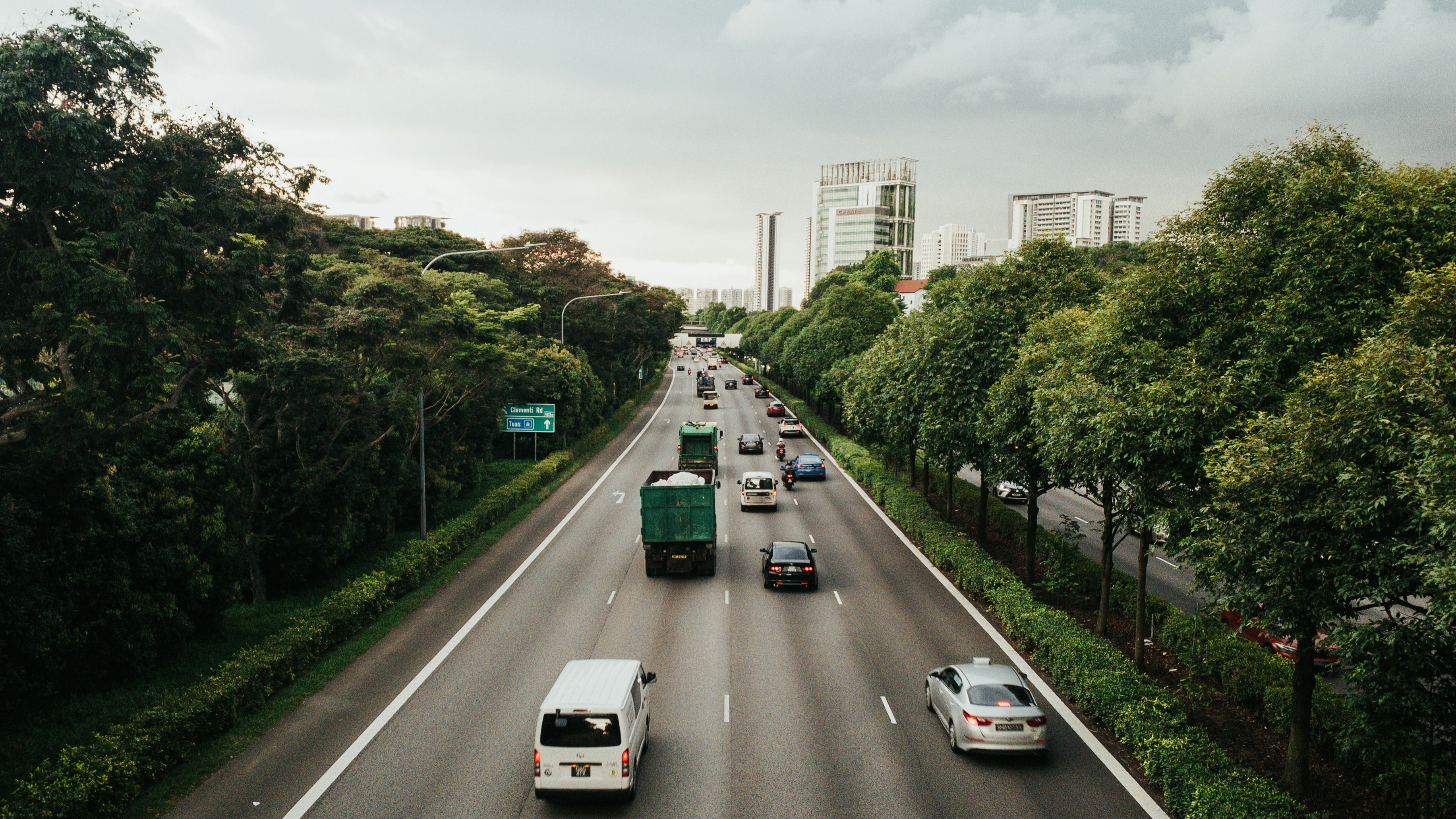
The same approach helps on motorways. A generous gap is not an invitation for every nearby car to merge; it is your margin for the driver who does. If someone moves in, recreate the two seconds progressively rather than braking hard. Looking well ahead makes that much easier because you can spot changes in traffic flow before the vehicle directly ahead reacts.
Do not use adaptive cruise control as a reason to stop thinking about the gap. The system can help maintain a selected distance, but the driver still needs to choose a sensible setting for conditions and stay alert to what is happening around the vehicle. In heavy rain, at night or on an unfamiliar rural road, the most conservative available setting may still need extra judgement from the person behind the wheel.
When two seconds is not enough
Treat two seconds as the starting point, not a target to cling to. NZTA says to allow at least four seconds when the road is wet or slippery, or when you are towing. Add more again if visibility is poor, traffic is unpredictable, your vehicle is heavily loaded or you are behind a large vehicle that blocks your view.
Trucks and buses deserve particular patience. Their blind spots are large, and a driver may not be able to see a vehicle sitting close behind or alongside. A bigger gap gives you a clearer view and leaves room to respond if the vehicle ahead slows suddenly.
It is also sensible to extend the gap before a downhill section, a loose-surface road or a stretch where shadows, standing water or sun glare make the surface harder to read. The two- and four-second rules are memorable anchors, not permission to ignore what your eyes and the conditions are telling you.
What if someone is on your bumper?
Do not brake-check or make a point of holding them up. The safer move is to increase the space in front of you — NZTA suggests increasing the two-second gap to four seconds — and move left when it is safe to let the other driver pass.
That extra buffer reduces the chance that their poor judgement becomes your emergency. Following distance is one of the least glamorous driving skills, but it is also one of the easiest ways to make every trip calmer and safer.
