



- Chery has released a full specification sheet for the upcoming Stockman ute in Australia.
- The document reveals the PHEV ute's battery size and chemistry, as well as its official electric range.
- It also seems to confirm that an ICE variant will be necessary for Chery to achieve its goal of a 1000kg payload.
Chery has already revealed plenty about its Stockman diesel-electric ute, but a newly released specification sheet provides some of the technical detail that had previously been missing – and raises a few interesting questions ahead of its New Zealand arrival.
There isn't much left to reveal about the headline performance of Chery's upcoming Stockman. The Chinese brand has already confirmed its first diesel plug-in hybrid ute will produce 350kW and 800Nm, feature three locking differentials and offer around 3.5 tonnes of towing capacity.
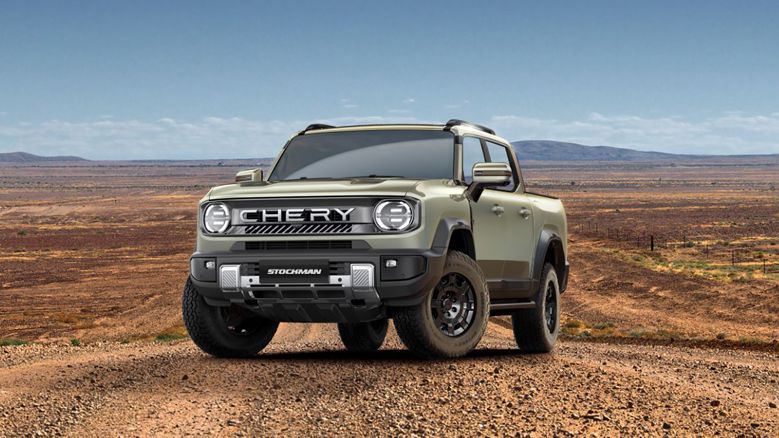
But a newly published seven-page specification sheet (that you can download here) for the Australian-market 2027 Stockman Ultimate AWD fills in some of the blanks, particularly around its hybrid system, charging capability and off-road hardware.
Perhaps the biggest new revelation is the battery: the Stockman uses a 34kWh lithium iron phosphate (LFP) battery, mounted underneath the tray. The 2.5-litre turbo-diesel itself produces 140kW and 450Nm, and is paired with an 80 litre fuel tank, while the combined hybrid system produces the already-announced 350kW and 800Nm. Chery also identifies the transmission as a 4-speed Dedicated Hybrid Transmission that has been specifically developed for the Stockman, something that had not previously been disclosed.
The charging specification is new, too. The battery can accept up to 6.6kW on AC and 70kW on DC, using a CCS2 connection mounted on the driver's side at the rear, while Chery's previous claim of a 100km electric range has also been clarified, and the new document quotes 96km on the WLTC test cycle, with energy consumption of 31.1kWh/100km.
This is worth noting because the earlier 100km figure was based on the less demanding NEDC test cycle, although it needs to be kept in mind that the WLTC only presents the Urban driving figures of the full WLTP test cycle, so a real world combined figure will be lower still.
The specification sheet also gives a WLTC combined fuel consumption figure of just 1.1L/100km, with CO2 emissions of 30g/km.
The new document also gives a clearer picture of the Stockman's off-road credentials. The four-wheel-drive system offers 4H, 4L and Intelligent 4WD, while the driver can select EV or HEV operation and Eco, Normal or Sport driving modes. There are also dedicated Snow, Mud, Sand and Rock settings, along with Turn Assist, Crawl Control and an Expert mode.
As previously announced, the ute gets front, centre and rear differential locks, while ground clearance is listed at 247mm, with a 30-degree approach angle and 25-degree departure angle. It rides on 17-inch alloys with 285/70 R17 all-terrain tyres and a full-size alloy spare.
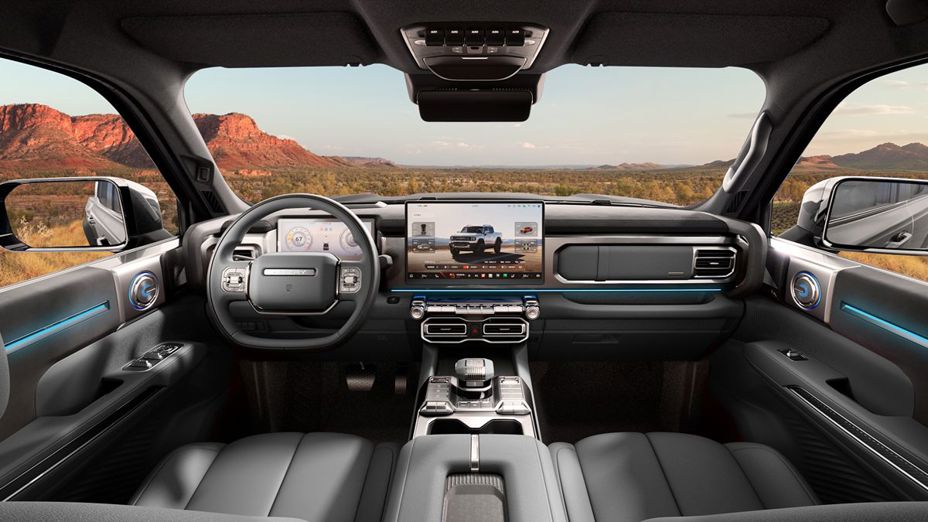
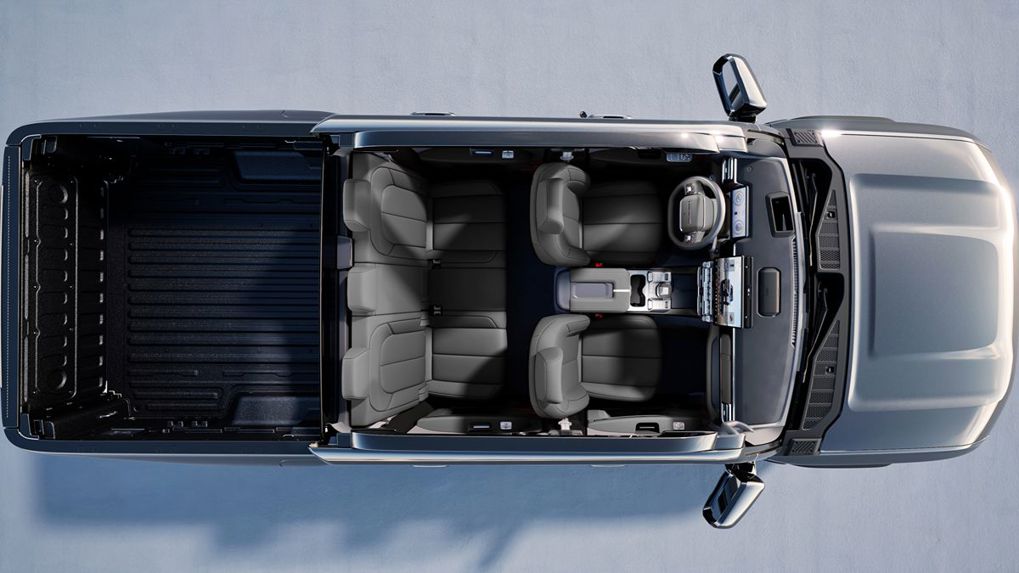
The cabin is shaping up as a fairly premium proposition, too, with the Ultimate specification getting an eight-way electric driver's seat with memory, a four-way electric passenger seat, heated and ventilated front seats, a heated steering wheel and sliding and reclining rear seats.
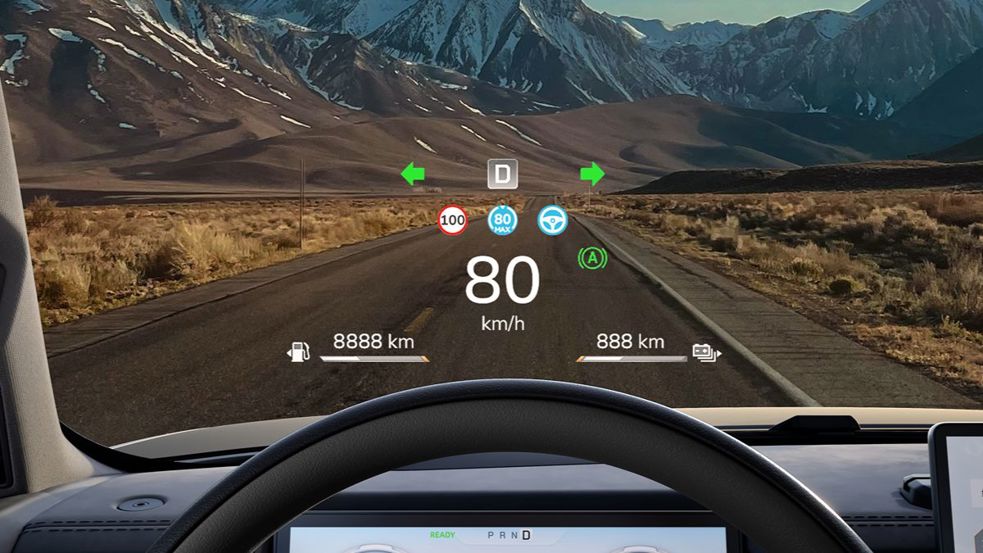
A 15.6-inch infotainment display, 10.25-inch digital instrument cluster, head-up display and 14-speaker audio system are among the final equipment list, while Apple CarPlay and Android Auto are supported wirelessly, along with four USB-A ports, three USB-C ports and two 230V outlets.
The safety specification is similarly comprehensive, including adaptive cruise control, lane centring, blind-spot detection, front and rear cross-traffic assistance, driver monitoring and a 360-degree camera with a clear-chassis view. Seven airbags are listed, including a front-centre airbag.
There's one part of the new specification sheet that caught our eye, although it is probably too early to draw any firm conclusions; Chery has previously promoted the Stockman as a 1000kg-payload ute, but the new Australian specification sheet gives a kerb mass of 2735kg and a GVM of 3500kg, meaning 765kg between the quoted kerb weight and maximum vehicle weight.
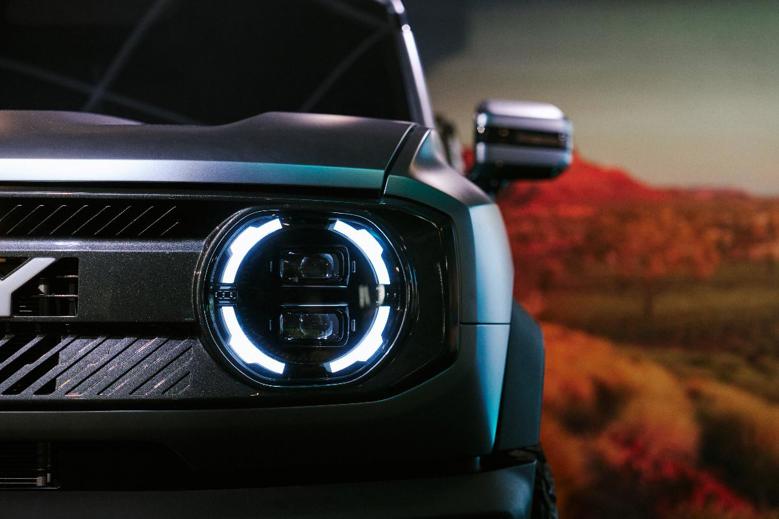
Chery has repeatedly said it was targeting a 1000kg payload for the Stockman, but recently backed away from claiming the PHEV would be able to carry that much, suggesting instead that it was considering a non-hybrid ICE variant to pump the payload up to its full targets. Now, the specification of the PHEV seems to show that will be the only way Chery will achieve this goal.
The Stockman's 6500kg GCM is also particularly interesting in New Zealand, where a growing number of PHEV utes are combining big batteries with traditional 3.5-tonne towing ratings.
The BYD Shark 6 Performance, GWM Cannon Alpha PHEV and now the Stockman all illustrate the same issue: the vehicle may be capable of towing up to 3.5 tonnes, but its own weight means the available payload and overall vehicle-and-trailer mass need to be carefully managed - for a standard NZ Class 1 licence, the combined vehicle and trailer cannot exceed 6000kg, so the headline towing capacity isn't necessarily the amount every driver can legally use here.
So, while there isn't a huge amount of genuinely new information here in terms of the Stockman's headline performance, the latest document fills in some important gaps - we now know the size and chemistry of its battery, the output of the diesel engine, the type of hybrid transmission and the charging capability – while the detailed equipment list paints a picture of a sophisticated and well-equipped ute.


