


- The Jaguar Type 01 and Range Rover GT are two large electric grand tourers from JLR.
- While both may appear similar they actually use entirely different platforms.
- While the Jaguar uses a bespoke BEV platform, the Range Rover's has been engineered to house combustion engines as well.
If you have been keeping an eye on British motoring, Jaguar Land Rover is pulling off one of the most intriguing double plays in automotive history. Rather than playing it safe with subtle evolutionary tweaks, JLR is launching two grand tourers designed to redefine their segments.
We are looking at the uncompromising Jaguar Type 01 and the all-new Range Rover GT. On paper, having two luxury electric GTs under the same corporate umbrella might sound like a recipe for sibling rivalry - and the fact they are on entirely separate platforms is extremely expensive and risky. But step closer, and you quickly realise these two machines tackle a fast road and cater to their drivers in very different ways.
Jaguar’s all-in Type 01
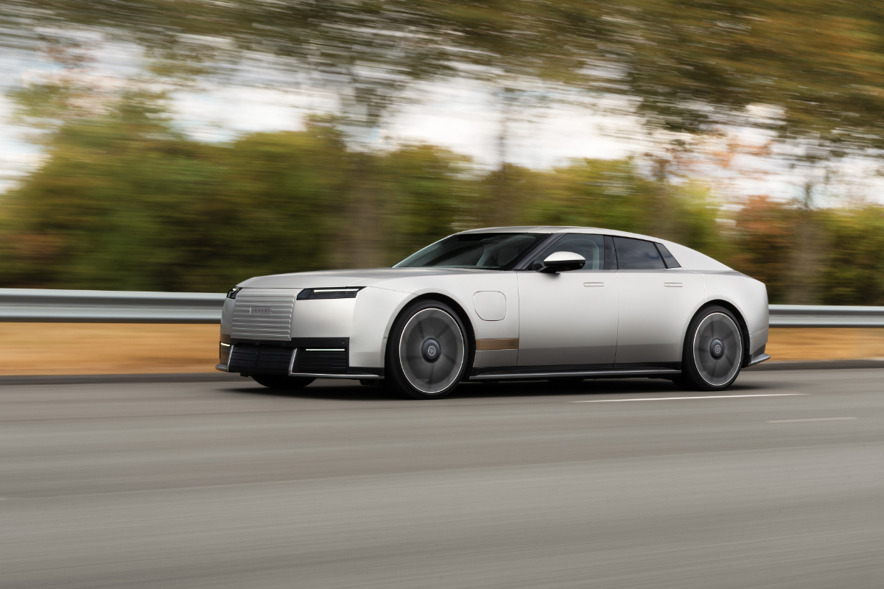
Let’s start with the big cat. Jaguar did not just tweak its line-up; it wiped the slate clean, shutting down existing production. The result is the Type 01, a low-slung, four-door GT that refuses to compromise on sports car drama.
Underneath sits the bespoke Jaguar Electrical Architecture, a pure-EV platform backed by 360 patents. By rejecting multi-powertrain flex platforms, Jaguar’s engineers achieved a perfect 50:50 weight distribution and a stiffer chassis than any Jag before it.
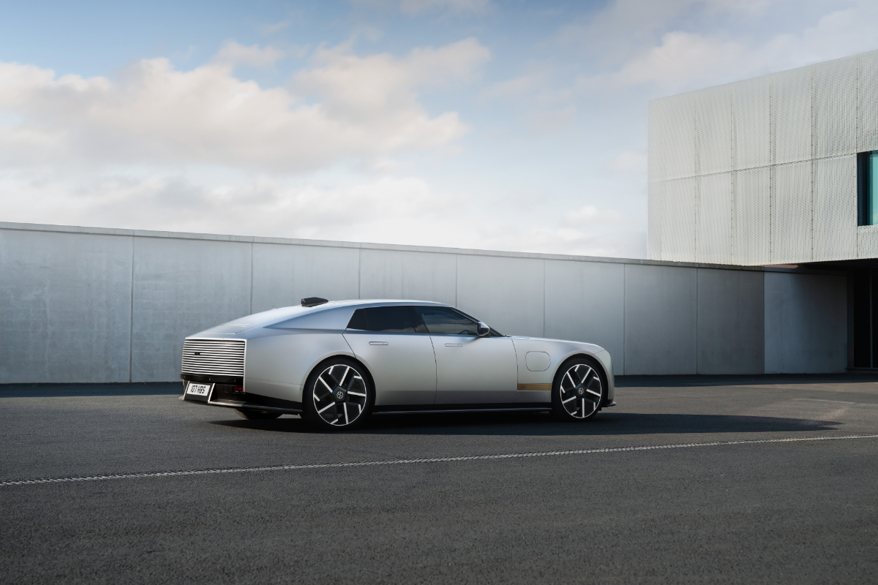
The performance figures are properly mental. A tri-motor setup delivers north of 750kW and 1365Nm of torque, firing the GT from 0 to 100 km/h in 3.2 seconds. It packs a 120 kWh battery delivering over 700 km of range, running on an 850V architecture capable of slurping 200 miles of juice in just 13 minutes on a 350 kW charger. Up to 6 degrees of rear-wheel steering gives it an 11.5-metre turning circle, putting it on par with a small hatchback.
Jaguar’s design team spent 1500 hours perfecting what it calls “the Impossible Panel”: a razor-thin 133 mm transition between the wheel arch and bonnet that took 22 weeks just to press. Inside, driver focus rules with a 24-inch display, a 38-speaker haptic sound system, and lightweight anodised aluminium trim crafted to mimic rich brass without adding weight.
Range Rover’s cool, collected GT
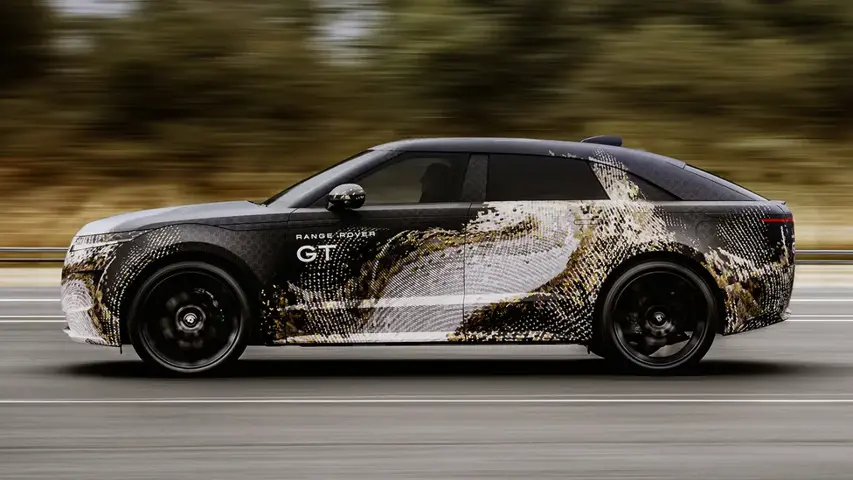
Where Jaguar delivers the drama, Range Rover offers a sanctuary. Announced out of Gaydon as the fifth member of the Range Rover family, the Range Rover GT takes the brand into sleeker, coupe-like fastback territory.
Inside, the Range Rover focuses on quiet luxury. The cabin features a minimalist single-screen layout paired with a driver display, a concealed full-width air vent, and tactile woven textiles wrapping the dashboard that completely hide the audio speakers. Crucially for long-haul touring, it pairs signature all-terrain capability with class-leading second-row legroom.
Built on JLR’s new Electrified Modular Architecture in Halewood, the GT is dubbed the most car-like Range Rover ever created.

Unlike the pure-electric Jaguar, Range Rover’s platform launches first as a battery-electric vehicle but retains the flexibility to add hybrid powertrains down the line. Which, to be honest, seems a bit odd… Jaguar is known for its bellowing engines while Range Rover sits much closer to silent elegance.
Obviously JLR knows a lot more than me, so it will be interesting to see how the public reacts to both cars. Plus, we don’t actually know all the nitty-gritty about the GT, so there’s a lot still to learn.
So what’s the difference?
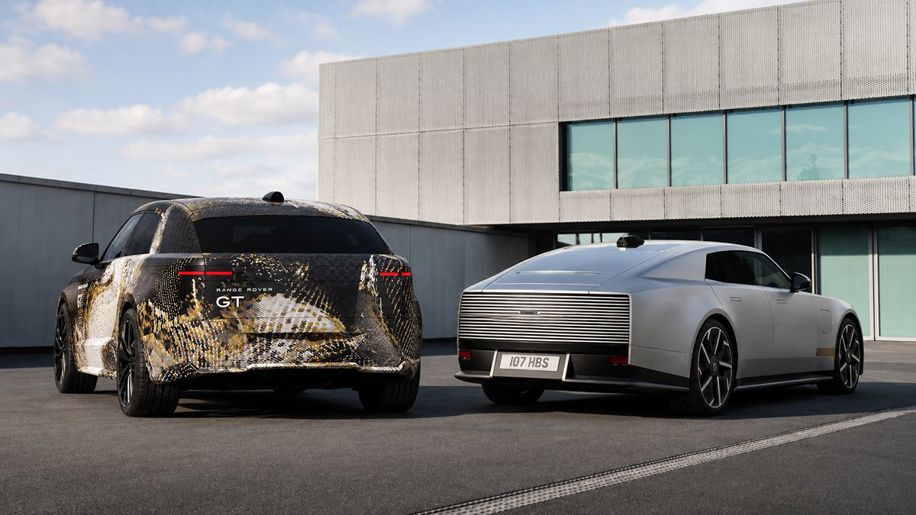
Where the Jaguar Type 01 is an aggressive, design-led statement engineered for dynamic engagement and raw speed, the Range Rover GT is a refined, elevated grand tourer built for effortless long-distance travel across any terrain.
Jaguar is chasing individualistic conquest buyers who want a low-riding, head-turning performance car. Range Rover is extending its sanctuary philosophy to buyers wanting coupe proportions without sacrificing utility. Two distinct visions, but it remains to be seen if JLR has made the right call in its execution.


