



- Audi has revealed the third-generation Q7 with five, six or seven-seat cabin layouts.
- Two V6 diesel MHEV plus versions produce 180kW/500Nm or 220kW/630Nm.
- Germany gets June orders and September deliveries, but New Zealand timing remains undisclosed.
Audi has pulled the covers off the third-generation Q7, giving its big SUV a sharper technology brief while keeping the practical bones that made the nameplate stick.
The new model is available with five seats as standard, while six and seven-seat layouts remain optional.
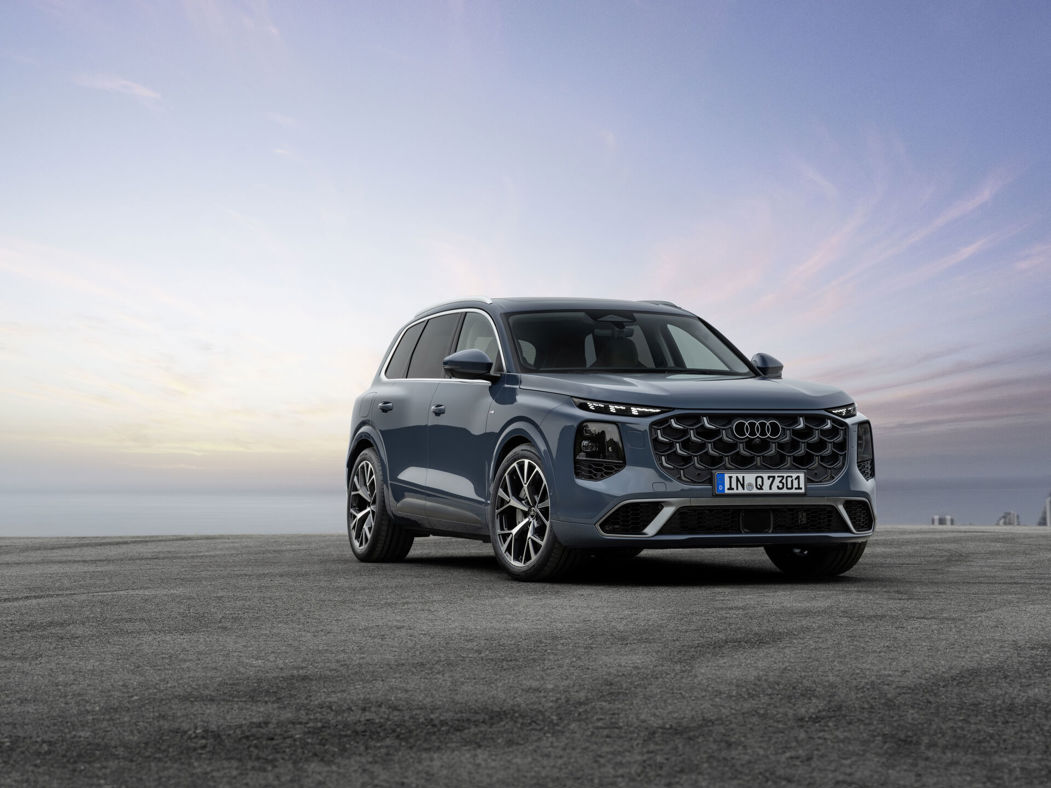
In five-seat form, Audi claims up to 806 litres of luggage space, expanding to 2075 litres with the second row folded. The seven-seater offers up to 722 litres behind the second row, or 1980 litres behind the first row.
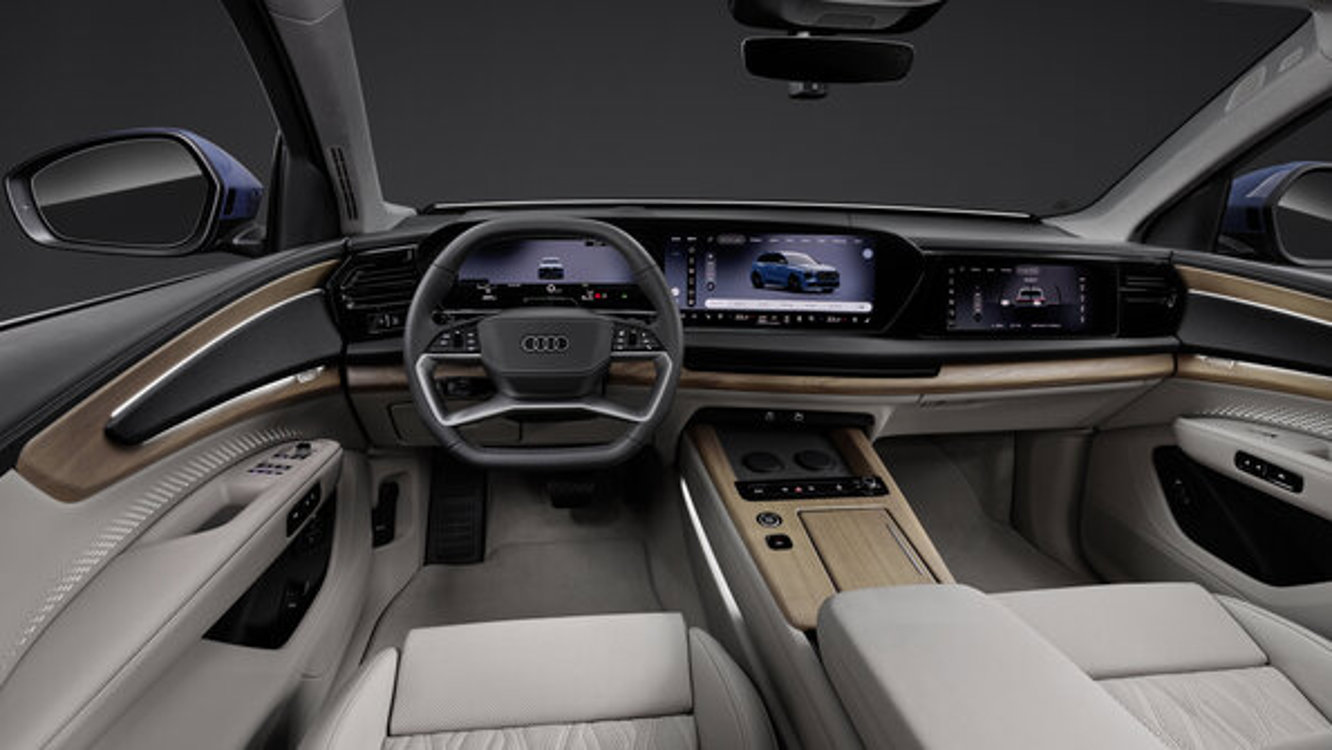
One of the more interesting cabin options is a panoramic glass roof with switchable transparency and integrated lighting. Audi says the roof can turn from transparent to opaque in nine segments, while 78 LEDs allow the glass to tie into the cabin's ambient lighting. It is not available at the start of presale in Europe, with timing to be confirmed by Audi partners.
Diesel power and quattro grip
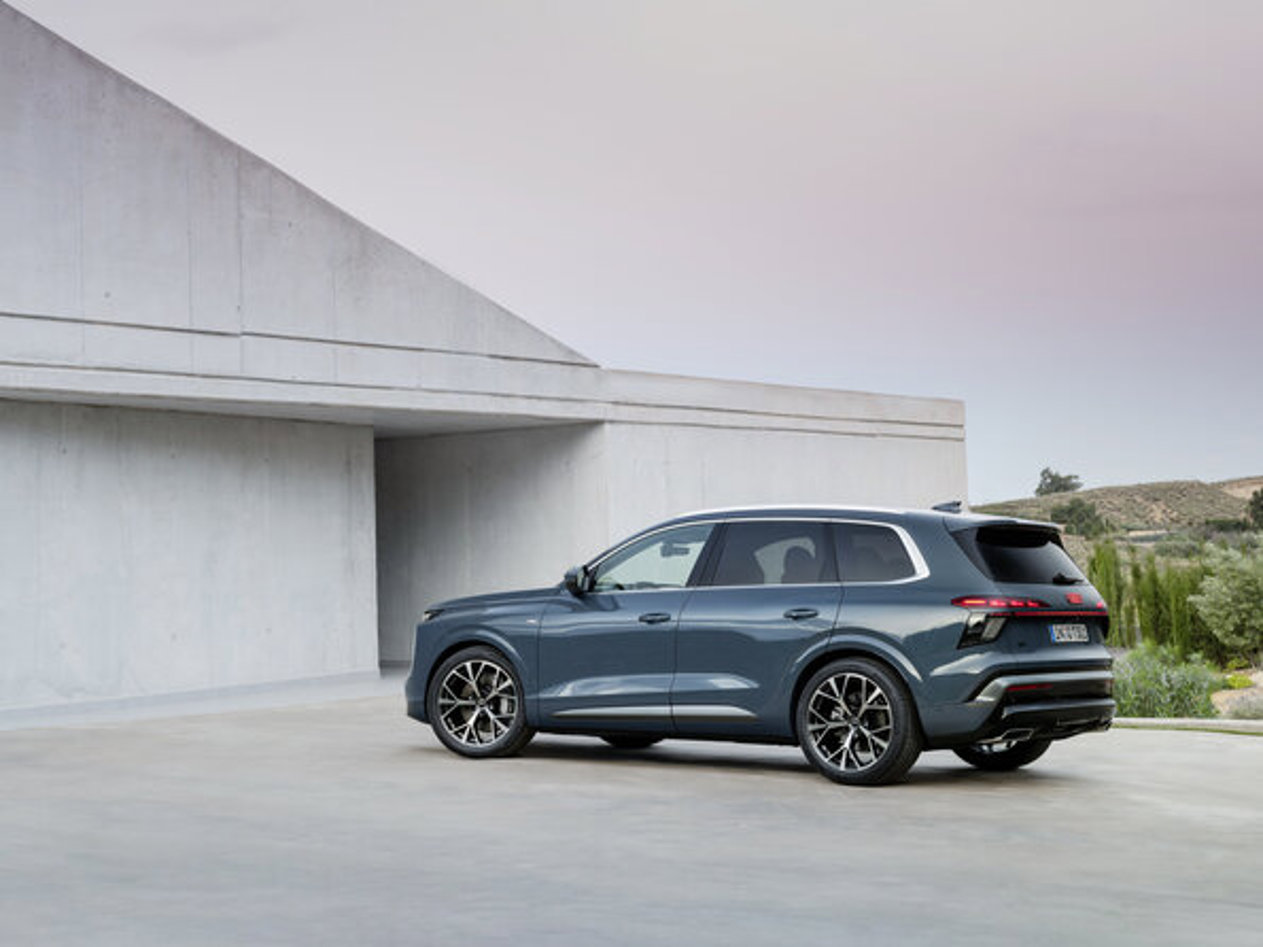
At launch, the Q7 is sticking with diesel power in Europe.
Both versions use a 3.0-litre V6 diesel with MHEV plus technology, an electric-powered compressor and an eight-speed tiptronic transmission.
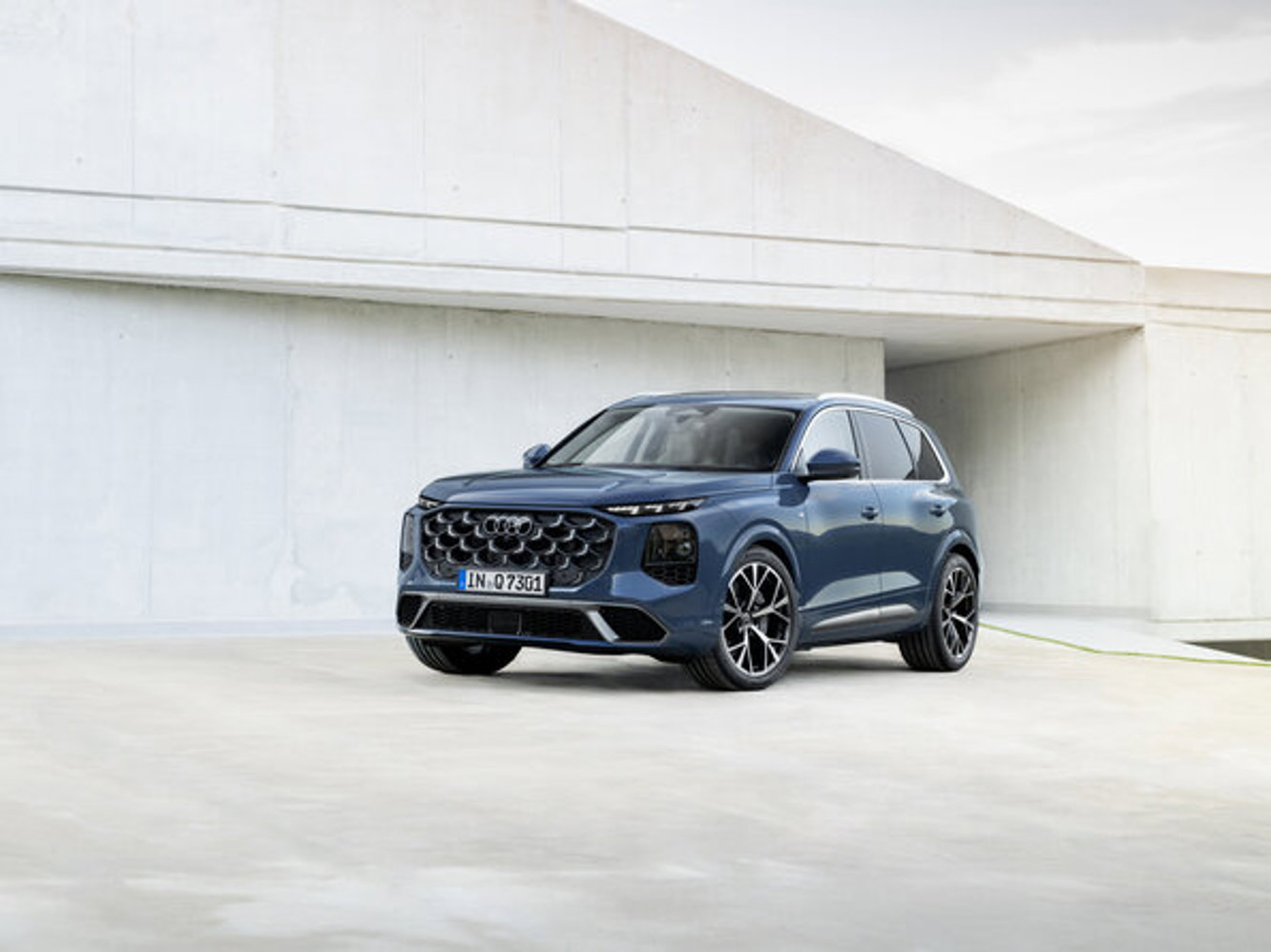
The entry version produces 180kW and 500Nm, while the stronger tune lifts outputs to 220kW and 630Nm.
Audi says the powertrain generator can briefly add up to 18kW and 370Nm, helping with starting off, overtaking, manoeuvring and low-speed electric assistance.
Permanent quattro all-wheel drive is standard, now paired with a new limited-slip centre differential with preload.
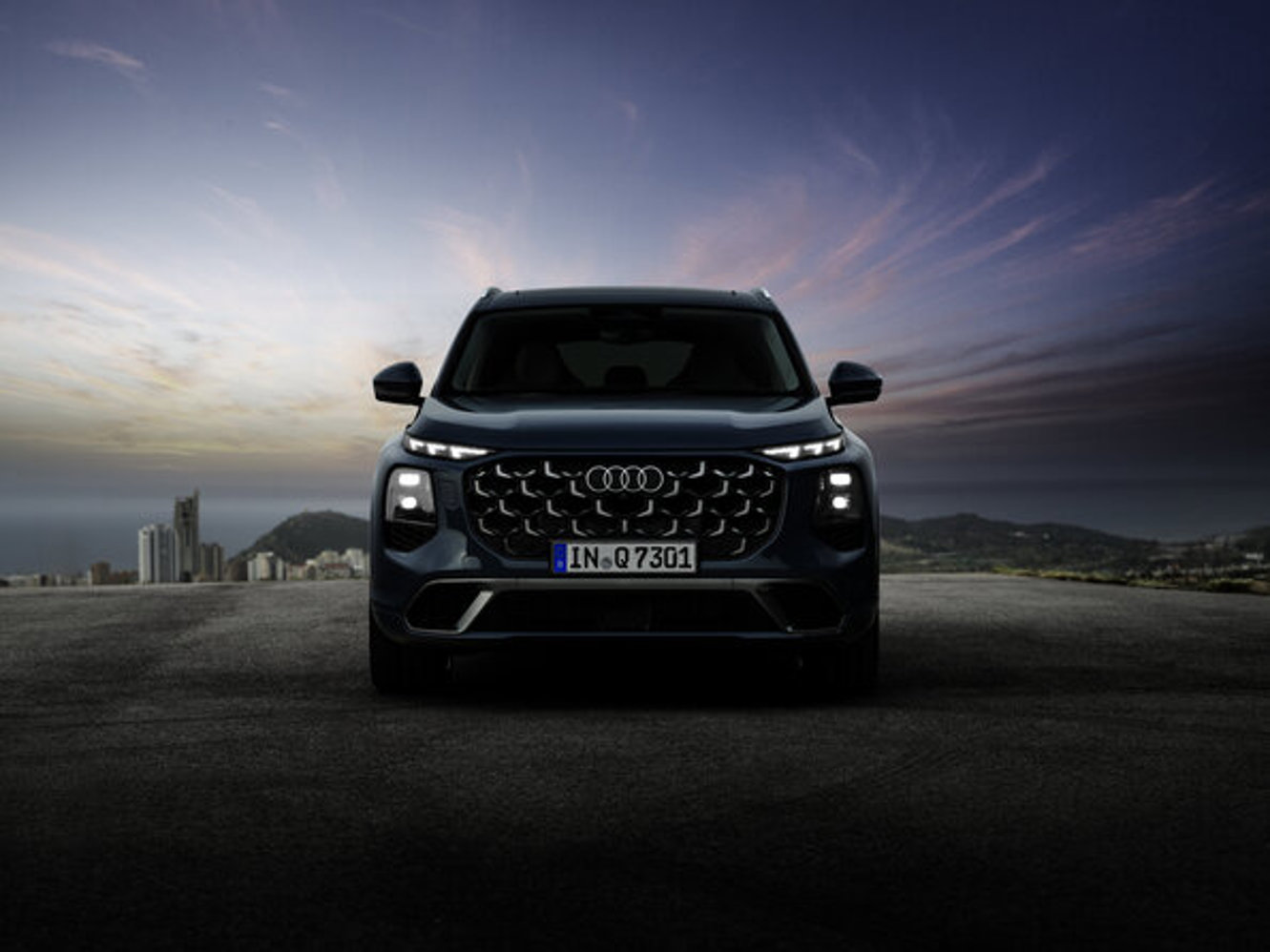
The technology story continues outside.
Optional digital Matrix LED headlights can project guidance information ahead of the vehicle, while advanced turn signals project a signal onto the ground at night in step with the car's dynamic indicators.
Third-generation digital OLED rear lights add warning and communication functions, and the assistance suite includes emergency assist that can slow the Q7 and, on suitable highways, steer it onto an adjacent shoulder if the driver remains inactive.
The new Q7 is built in Bratislava, as its predecessors were. German orders open in June 2026, with deliveries from September. Prices start at 87,900 euros for the 180kW model and 90,500 euros for the 220kW version. Audi NZ has confirmed the Q7 will be coming here, but has not disclosed New Zealand launch timing or local pricing at this time.


