- The Peaq reuses heat from its battery, motors and power electronics for battery preheating and cabin warmth.
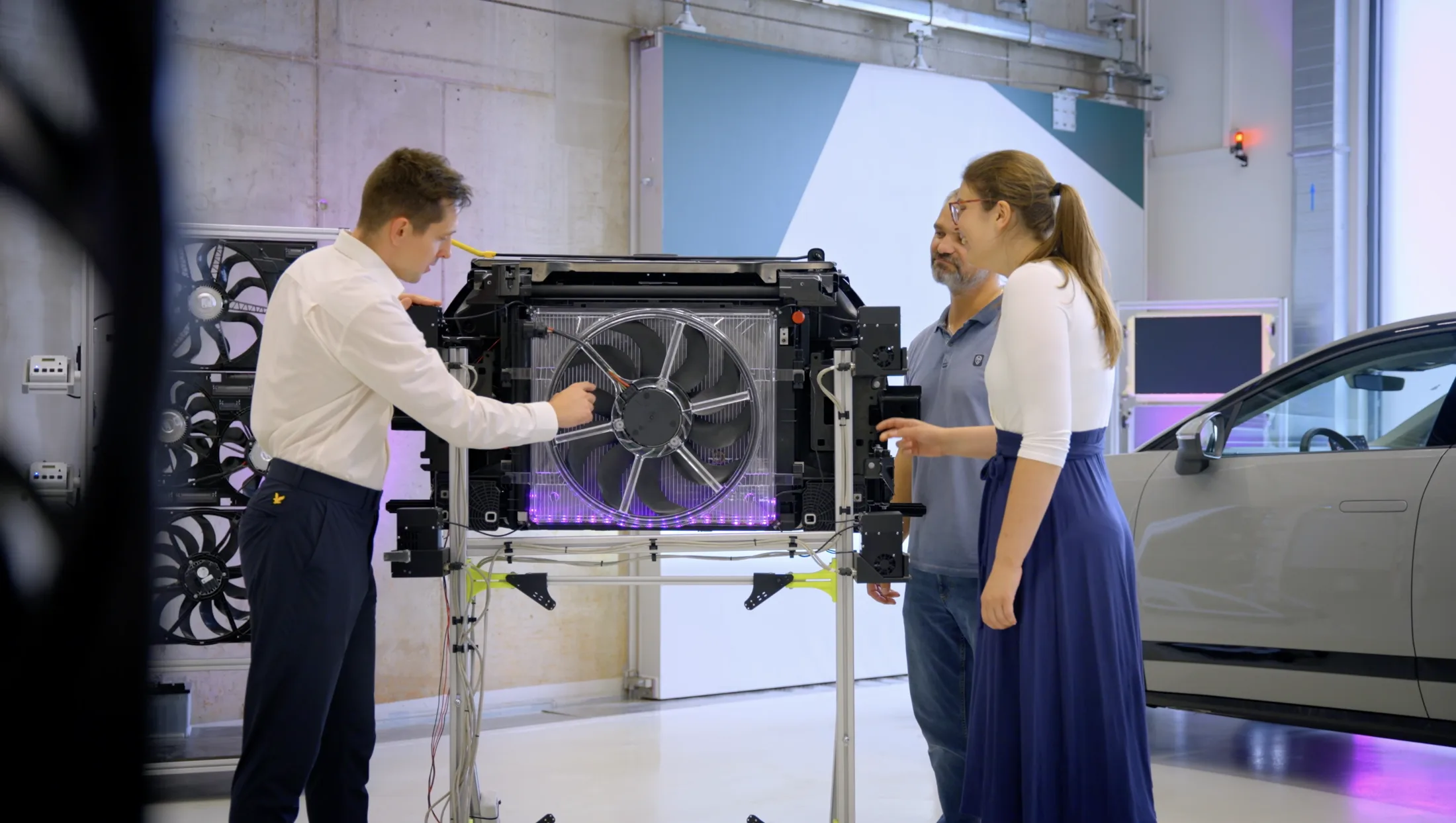
- An active radiator shutter regulates airflow, balancing the electric SUV’s cooling requirements with aerodynamic efficiency.
- The optional second-generation heat pump joins cabin preconditioning and climate control with up to three zones.
Skoda has detailed how its Peaq electric SUV moves heat around the car, reusing warmth from the drivetrain to prepare the battery for fast charging and heat the cabin in winter.
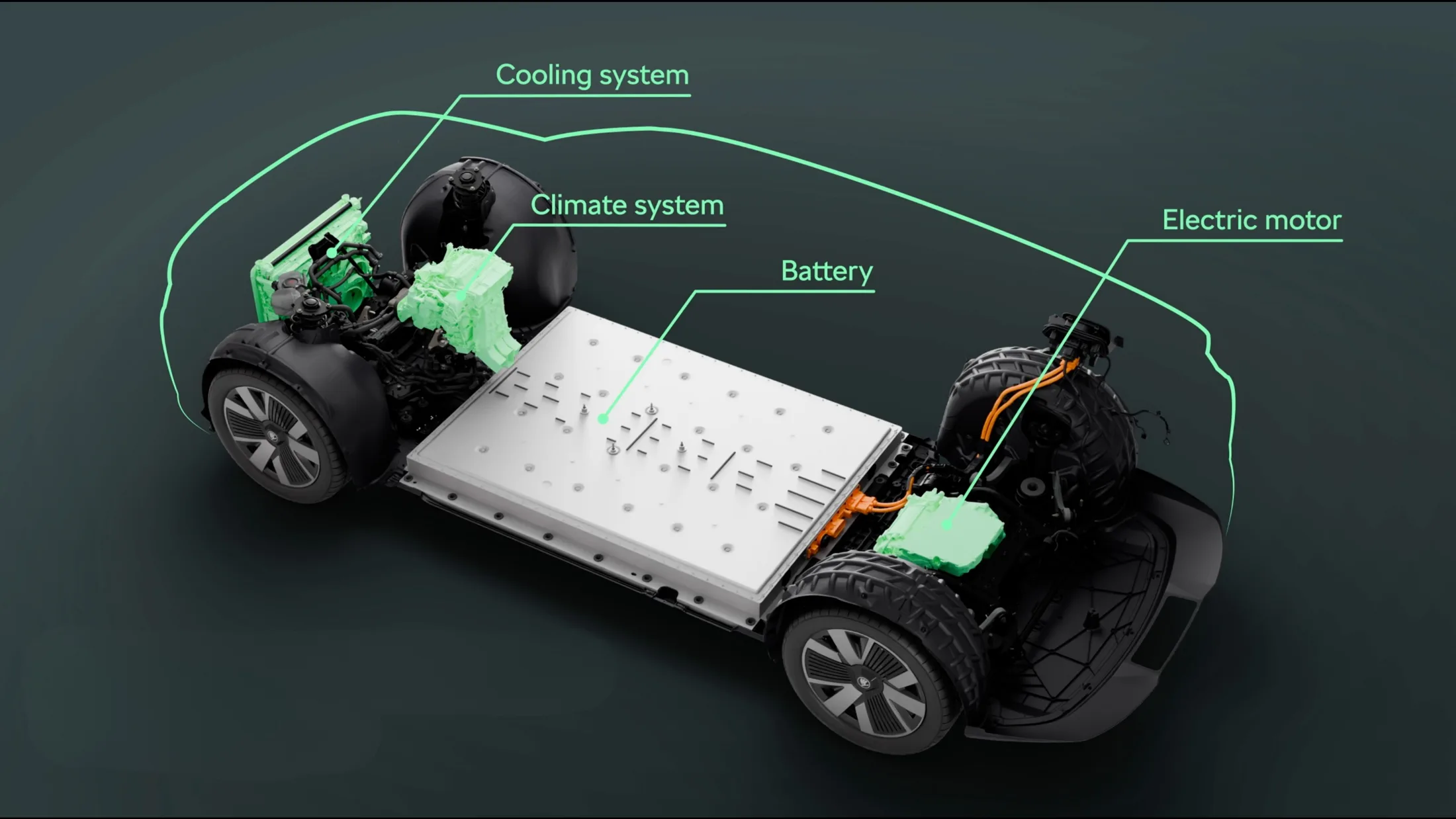
The manufacturer’s latest engineering explainer covers a thermal system that has to look after both the people inside and the electrical hardware beneath them. Liquid cooling serves the battery and the electric motors at the front and rear, while a shutter at the radiator adjusts the airflow entering the car.
Keeping useful heat on board
Cooling and aerodynamic efficiency pull the shutter in different directions. Opening it supplies airflow for cooling; regulating that opening lets the system balance cooling demand against the aerodynamic benefit of restricting airflow.
Heat produced by the battery, motors and power electronics also has a second use. The Peaq can direct that waste heat towards warming the battery before a fast-charging stop, or use it to help heat the passenger compartment during winter.
Skoda also offers an optional second-generation heat pump, which it describes as more efficient. The company has not attached a quantified range improvement to that claim in this announcement.
A warmer start
Drivers can precondition both the battery and cabin ahead of a journey. Cabin heating before departure is available even when the Peaq is unplugged, so a warm interior does not depend on leaving the car connected to a charger.
Inside, Climatronic climate control provides up to three zones covering the driver, front passenger and rear occupants.
Skoda says the thermal system has been tested in extreme heat and cold. Development work includes climate-chamber and wind-tunnel testing, with the same engineering programme examining how the car manages airflow, component temperatures and comfort for its occupants.