



By Laurence Carey, founder of Squid Group
Electrified vehicles are surging, premium petrol is holding its ground, and new brands are crowding the industry. The mass market is breaking apart.
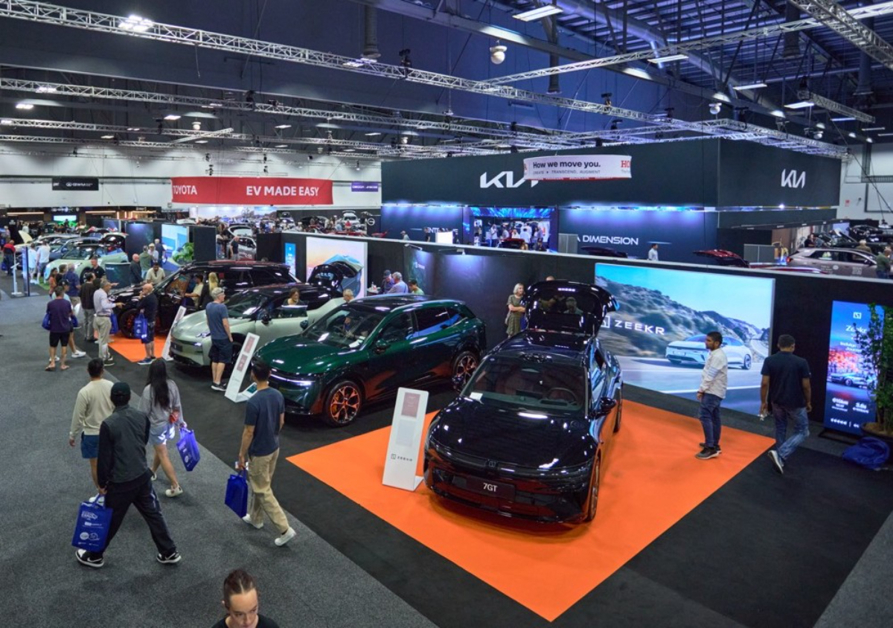
In October, petrol made up less than half of New Zealand's used car sales, which is a milestone shift in the automotive market. At the same time, the brands selling those cars are fighting over smaller slices. As Chery Group international president Zhang Guibing puts it: "Ten years ago, some Toyota or Volkswagen models sold about two million units a year. Today you can't find any model selling more than one million."
That's not a blip, it's a fragmentation of the industry. And it's playing out on NZ car yards right now.
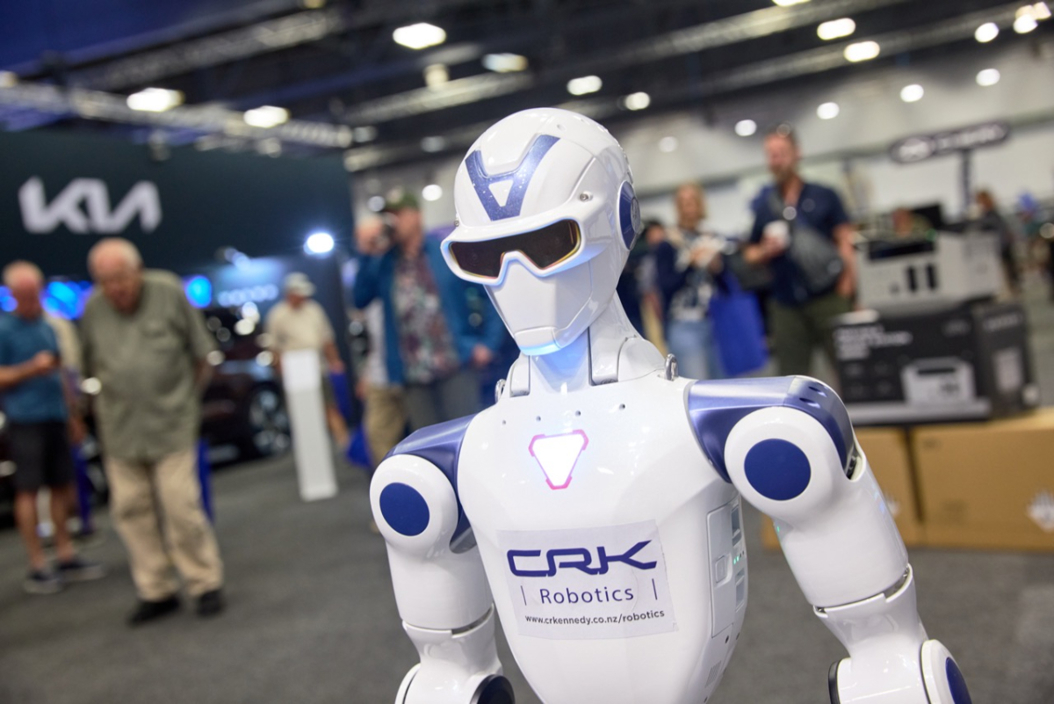
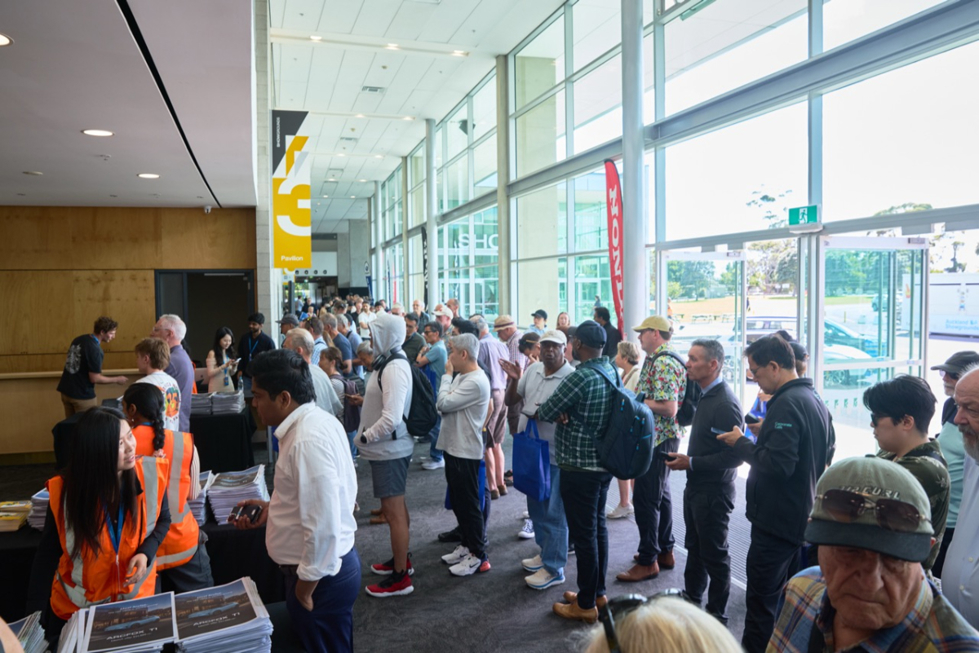
Nearly one in three used vehicles sold here in October was electrified. This November, 25 car brands showcased industry leading technology to more than 13,000 people at NZ's biggest EV and tech expo in its first year. Consumers are most interested in humanoid robots and how cars will become power sources for their homes.
I've been privileged to have a front-row seat to all of it, marketing events like the EV Expo alongside new and used dealerships in NZ and Australia. In 2019, Squid Group began working with an Auckland used dealership selling eight cars a month, today they move more than 130. We now work with brands and dealerships across NZ and Australia, and the pattern is the same everywhere! The market isn't moving in one direction, it's moving in several at once.
According to Trade Me and AutoGrab, petrol now accounts for less than half of all used sales. Between August and October, the overall market dipped 3.8 per cent, yet electrified sales grew almost 15 per cent.
The headline growth belongs to EVs, but hybrids are doing the heavy lifting. More than five hybrids sold for every pure EV in October. The Toyota Aqua sold 1798 units, just one behind the Ford Ranger, the country's favourite ute.
A hybrid gives you fuel economy without range anxiety. Plenty of households simply can't charge at home. For those families a pure EV isn't a choice they're avoiding. It's just not realistic yet. For a big share of buyers, hybrids are the answer.
Buyers want more
At the EV & Tech Expo, the biggest surprise wasn't the interest in cars, it was the interest in tech, AI and robotics.
When we spoke with CR Kennedy - Unitree Robotics, they told us they have robots being developed for a range of very specific tasks: "Some can carry plasterboard and fix it to walls without any human intervention".
But the takeaway isn't that people get replaced, it's that the role of people across a huge range of industries is about to change, and the businesses that plan for it will be the ones that benefit.
Premium petrol isn’t going anywhere
However, the other side of the coin we are seeing is our clients selling muscle cars and bespoke petrol vehicles are holding steady.
As more of the fleet electrifies, well-kept performance petrol cars become rarer. For enthusiasts, these vehicles are about character and ownership, and that emotion doesn't fade because the rest of the market moves on.
Across the Tasman, Australian dealers have been calling for a pause on new brands as dealership profits turn negative. Buyers have more choice than ever, and brands that sold a certain volume pre-Covid now can't get near it.
Mazda Australia is a clear example, where sales peaked at 118,217 in 2016. Last year they fell to 91,923, and they're down another 16 per cent this year to September. Managing director Vinesh Bhindi calls the 100,000 mark a vanity number: "Vanity is a great word… we never woke up saying [100,000] is the number and that's what we should chase."
The number of people buying new cars isn't growing as quickly as new brands enter the market, so every new entrant slices the pie thinner. Chery Group's Zhang, whose company now runs nine brands in Australia, puts the buyer's side simply: "Even if a car is very beautiful, if too many people use it, some customers don't want to buy it."
When the market fragments, volume stops being a strategy. Brand is what gets you chosen in a crowded field.
AI Slop is not helping
With AI everywhere, trust and brand have never mattered more. We're watching businesses fall into the AI slop trap: churning out generic content because the tools make it easy, not because it adds anything. Some agencies are doing it too, pumping out volume dressed up as strategy, where a forgettable ad made in 30 seconds is still forgettable.
AI doesn't always save time either. That's why our sister company, Kynesis, focuses on using AI for businesses where it genuinely adds value, and creates tangible value.
The best place to start isn't the tool or platform to use, it's identifying the problem you need to solve. Look for the systems that aren't working, the repetitive tasks eating your team's week, and the jobs nobody wants to do. Those are usually the most profitable things to automate.
Online gets you found. Experiences get you chosen
Across every industry we work in, online marketing has become critical to success.
But spending more isn't the same as marketing smarter. When we took on NZ Design Week, we doubled their revenue and increased attendance 83 per cent without spending an extra dollar compared to their previous agency. Same budget, just used differently.
Event sales prove the other half of the equation: tangible events and experiences build stronger brands. Thirteen thousand people didn't show up to the EV Expo to scroll a newsfeed.
The businesses scaling fastest aren't choosing between digital and real-world. They're finding the right mix for their market and committing to it. The brands that win from here won't be the ones chasing volume, they'll be the ones people actually choose.