



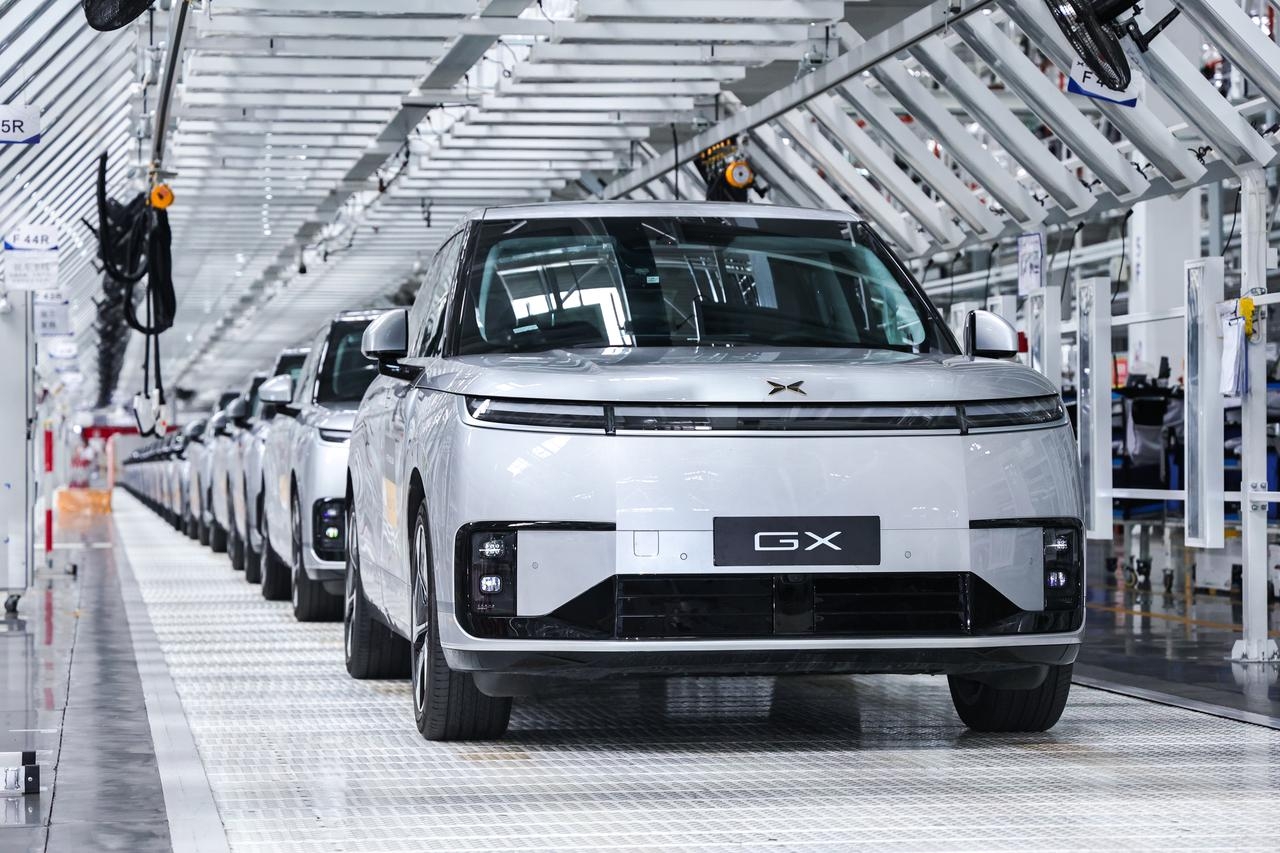
- XPeng says its first mass-produced robotaxi has rolled off the line in Guangzhou.
- The vehicle is built on the XPeng GX platform for autonomous mobility use.
- The company describes it as a production-ready, pre-assembled robotaxi model developed in-house.
XPeng has moved its robotaxi project from the prototype conversation into production. The Chinese EV maker says the first mass-produced unit of its robotaxi has officially rolled off the production line in Guangzhou.
According to XPeng, the vehicle is built on its GX platform and is described as China's first production-ready, pre-assembled robotaxi model developed through full-stack in-house work. The company frames the milestone as a shift from demonstration technology to a vehicle that can be produced at scale.
That matters because robotaxi stories often live in the gap between ambition and real-world deployment. XPeng is presenting this as a manufacturing step, not just a software update or test-fleet announcement. The source does not disclose a New Zealand launch plan, and there is no indication that this model is intended for local use.
The production claim still needs to be read in context. A robotaxi rolling off a production line does not mean widespread autonomous service is immediate. Regulatory approval, operating zones, safety validation and commercial partnerships all remain critical before driverless ride-hailing becomes ordinary transport.
Even so, the move is another sign of how quickly China's EV sector is folding advanced driver-assistance and autonomous technology into vehicle programmes. XPeng already sells passenger EVs in multiple markets, including New Zealand, so its autonomous work is not happening in isolation from its broader export ambitions.
For DRIVEN readers, the hook is less about hailing one tomorrow and more about watching the technology mature. Robotaxis are starting to look less like a distant concept-car promise and more like a production engineering problem. XPeng now wants to show it can build the hardware to match.


