



What are these new cars all about then?
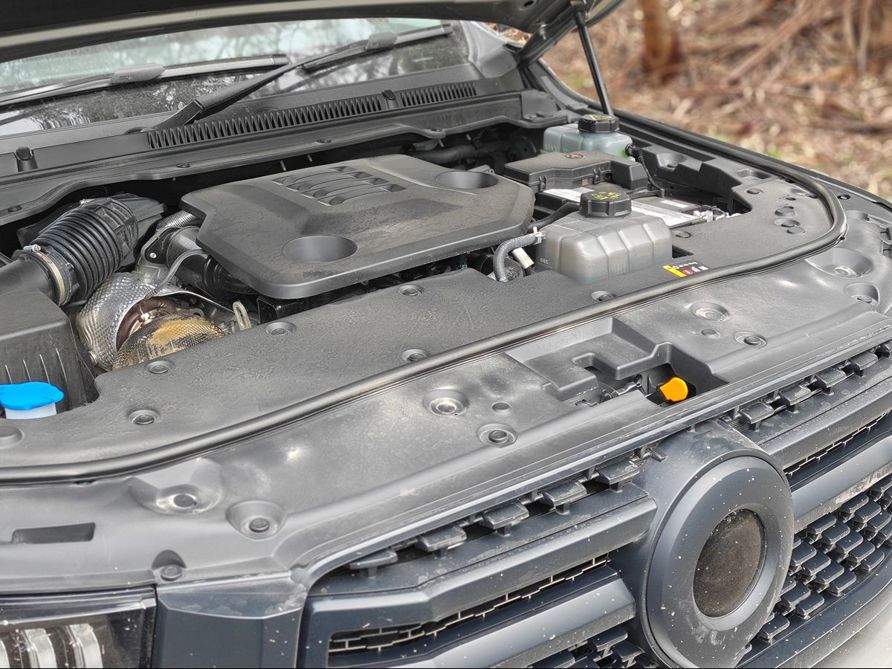
Well, it's not really about the vehicles, as much as it is actually about the engine that is now in them. You see, while both the Cannon Alpha and Tank 500 are known quantities, GWM has gone against the grain of increasing electrification and built a brand new 3.0-litre four-cylinder diesel engine - and it has put it in both ends of its large-vehicle line-up.
To be fair, GWM had the electrified end of both the ute and large SUV segments fairly comprehensively covered off with the Cannon Alpha PHEV and the Tank 500 coming in both hybrid and PHEV forms, so the addition of a diesel makes a lot of sense, as it is still by far the dominant powertrain preference in both segments.
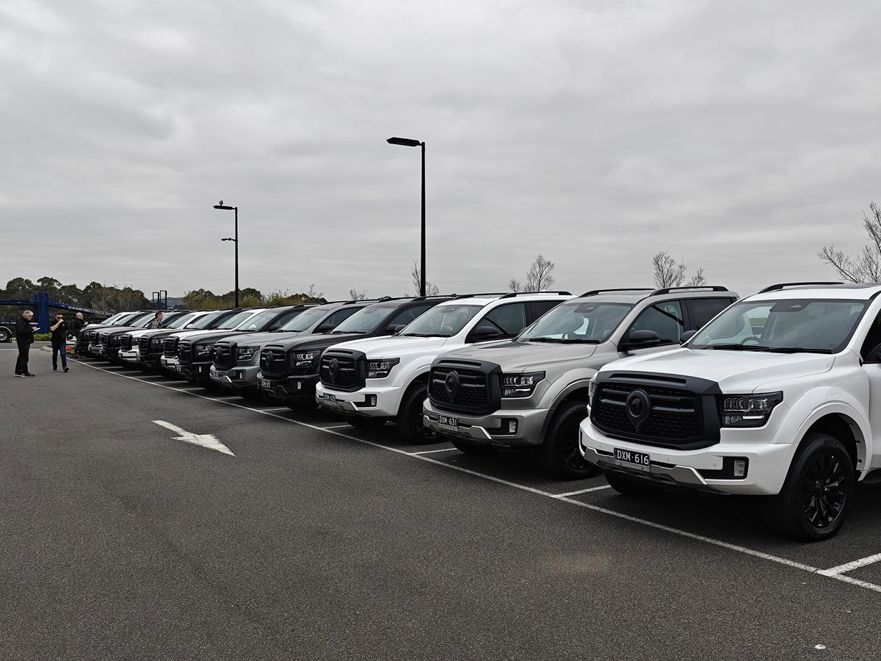
Packing 170kW and 620Nm, the new 3.0-litre four-cylinder diesel comprehensively out-muscles the smaller 135kW/480Nm 2.4-litre unit (which remains available) in the Cannon Alpha - as well as the majority of its one tonne diesel four-cylinder competition - while giving the Tank 500 a diesel option for the first time.
According to GWM, a key characteristic of the new engine is its broad torque curve, with peak torque available from 1400rpm and sustained through to 2400rpm - by way of comparison the Ford Ranger's 3.0-litre V6 turbo diesel produces its maximum of 600Nm from 1750rpm to 2250rpm - while it also utilises a high-efficiency variable geometry turbocharger and a water-to-air intercooler system for optimised thermal management and airflow, resulting in quicker throttle response.
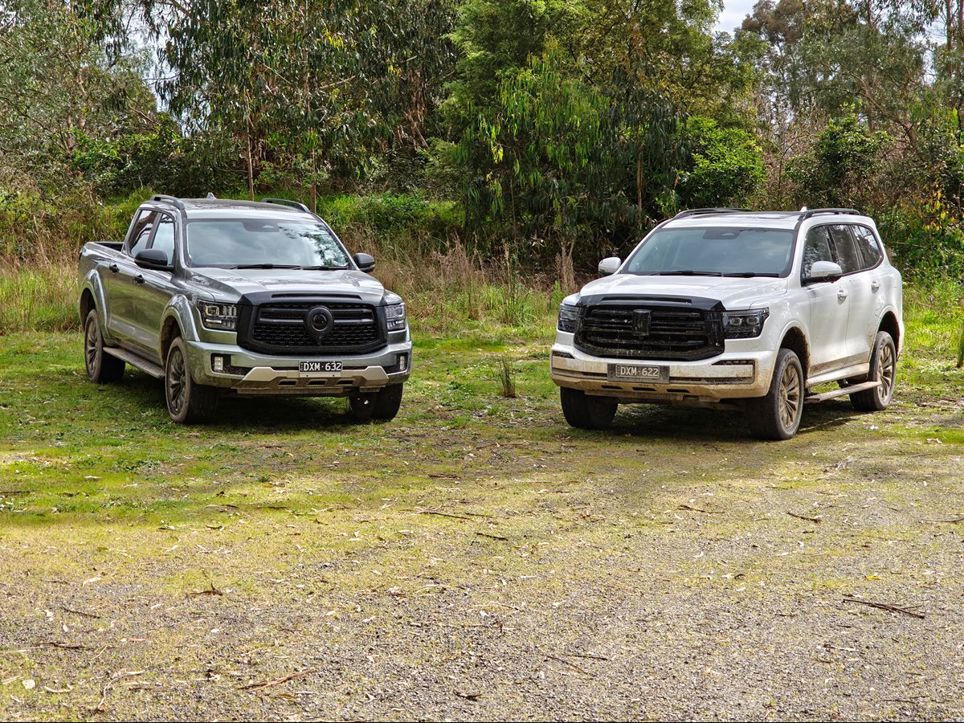
The company says that, as a result of this, the Tank 500 achieves a combined fuel consumption of 7.1l/100km with the new engine, while the Cannon Alpha is rated at 7.3l/100km.
If you've spent any time with either the Cannon Alpha or Tank 500, you'll know exactly why this new engine makes sense - while their respective hybrid and PHEV powertrains are impressively powerful and frugal, they are simply still the minority choice in their segments, and to use a distinctly Aussie phrase; they're bloody big, so giving both a 3.0-litre diesel with plenty of torque is hardly a revolutionary idea.
But the interesting thing is how naturally the new engine suits the vehicles, so it's really not just about whether GWM has built a decent new diesel. It's about how much better the same basic platform works when you give it the engine it arguably deserves.
How much are they?
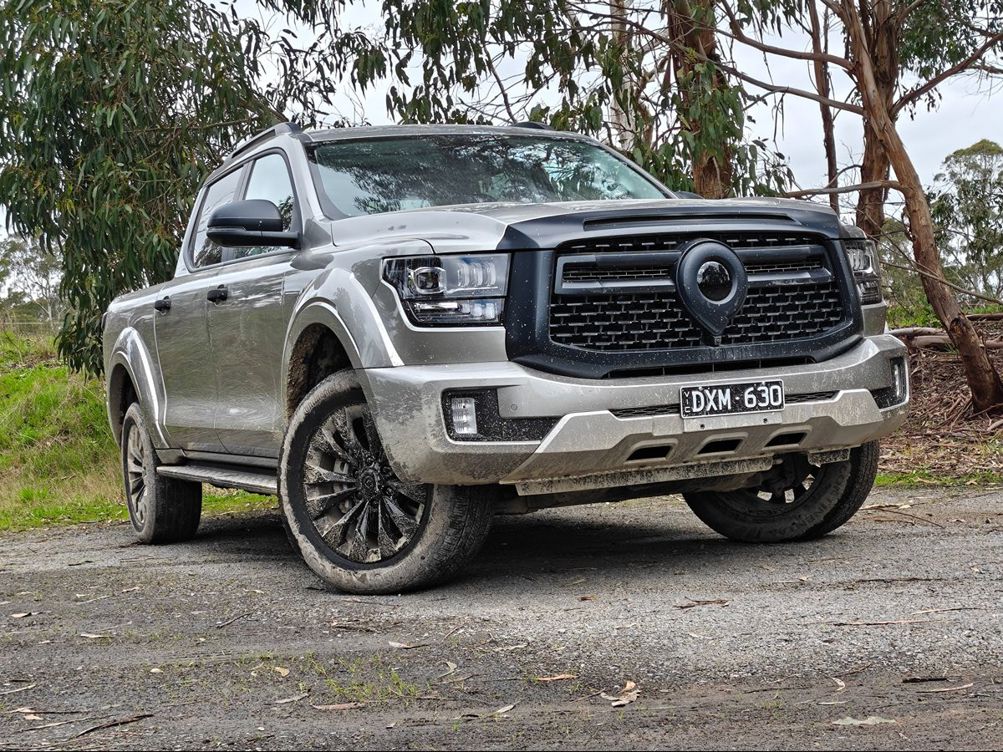
The Cannon Alpha 3.0 is priced from $71,990, while the Tank 500 3.0 starts at $79,990 in New Zealand, with both coming in the new, top-spec Vanta guise.
This makes the diesel the most expensive Cannon Alpha (costing $2000 more than the Ultra PHEV), while the new engine slots into the Tank 500 range at the same price as the Ultra PHEV, and only $2000 more than the Ultra hybrid.
The new Vanta spec, however, adds value by adding a black grille, black roof rails, retractable side steps, and red brake calipers to the outside of the Tank 500, while the Cannon Alpha Vanta gets a blacked-out exterior treatment that includes black door handles, side mirrors, side steps, a black grille, and black roof rails.
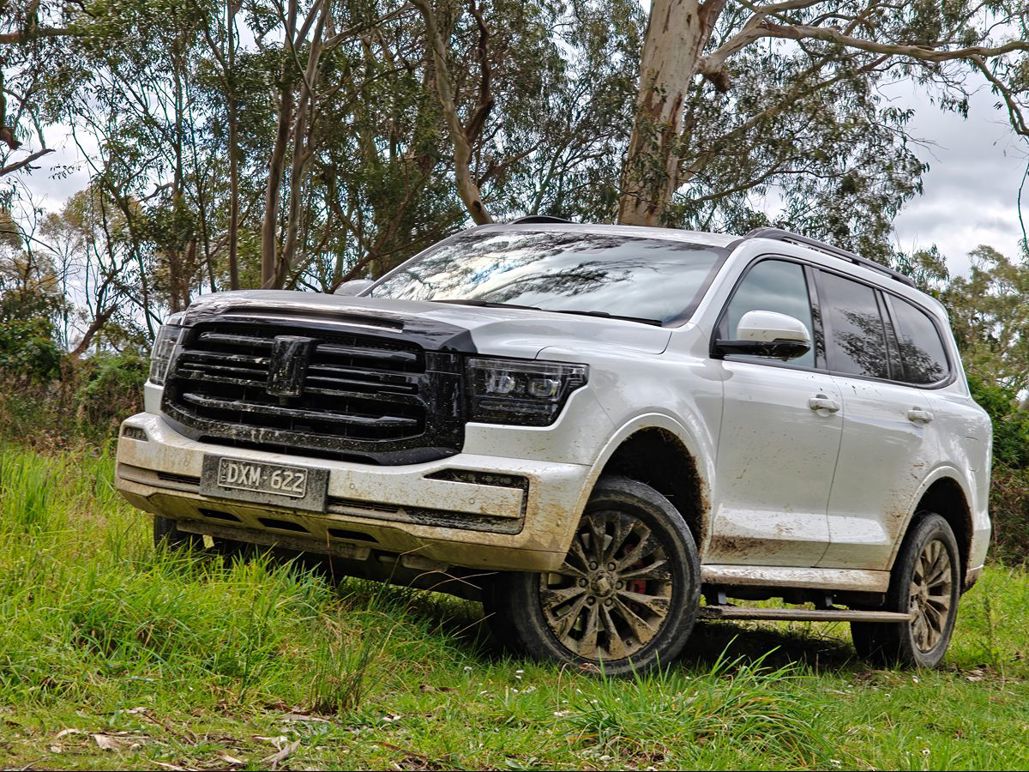
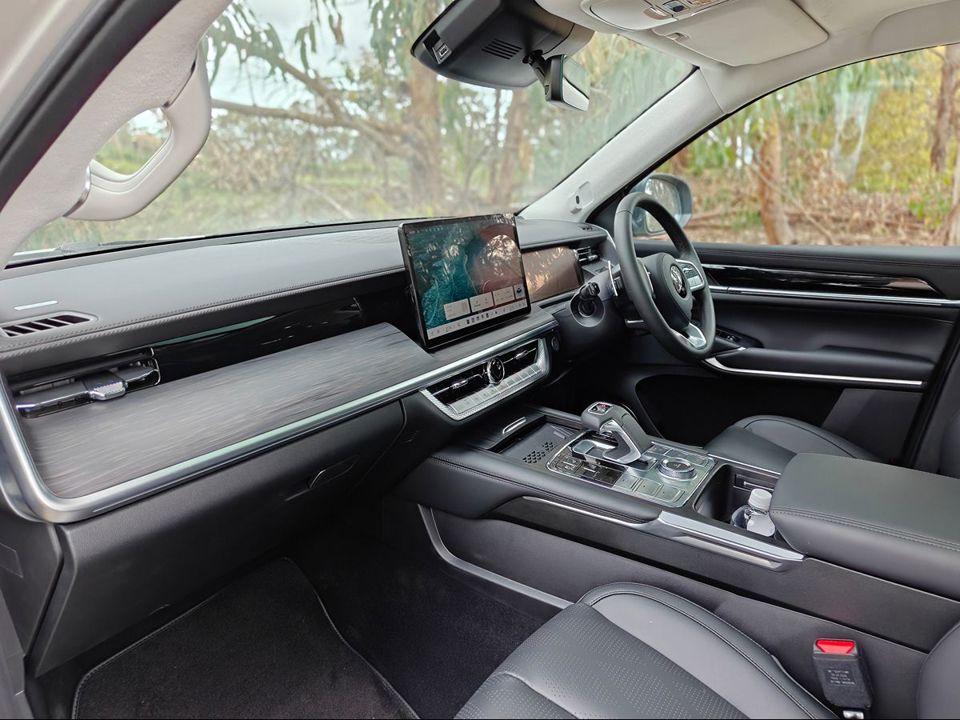
On the inside both vehicles run GWM's latest Coffee OS infotainment system on a 14.6-inch multimedia screen that features a new 360-degree camera function with enhancements for park assist and trailer functionality.
The Vanta grades in both the SUV and ute receive Nappa leather-accented seats, heated and cooled front seats with massage functions, a heated steering wheel, a premium 10-speaker audio system, and ambient lighting, while the Tank 500 Vanta also adds ventilated second-row seats.
The Cannon retains its 3500kg braked towing capacity, while the diesel Tank 500 gets an increase from 3000kg to 3500kg.
What are they like to drive?
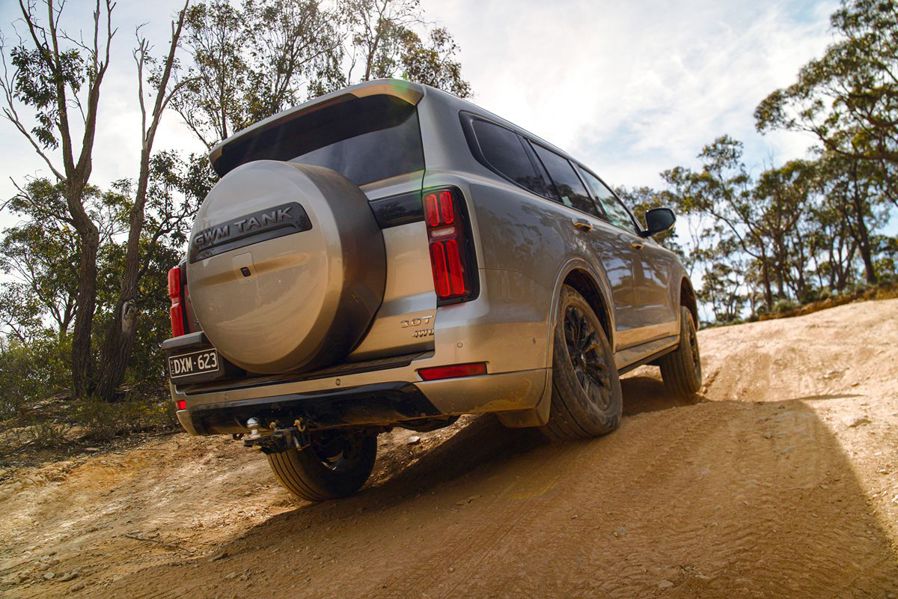
The launch drive took place around Melbourne, with a mix of normal road driving and some considerably more challenging off-road tracks.
Starting on the road, the first thing that strikes you about the new diesel is that it doesn't try to make a big song and dance about its extra grunt - there isn't a huge shove in the back or any greater sense of urgency. Instead, there's a smooth wave of torque that gets a very large vehicle moving without much effort. Everything just feels easier.
They're big trucks, so an engine that can move it around without constantly feeling like it's working hard is rather more useful than one that can produce impressive numbers on a spec sheet, and both make good use of that wide torque spread, with the nine-speed automatic happy to let the engine sit in its torque band rather than constantly hunting for another gear. This gives both the Cannon and Tank a nicely relaxed character on the open road.
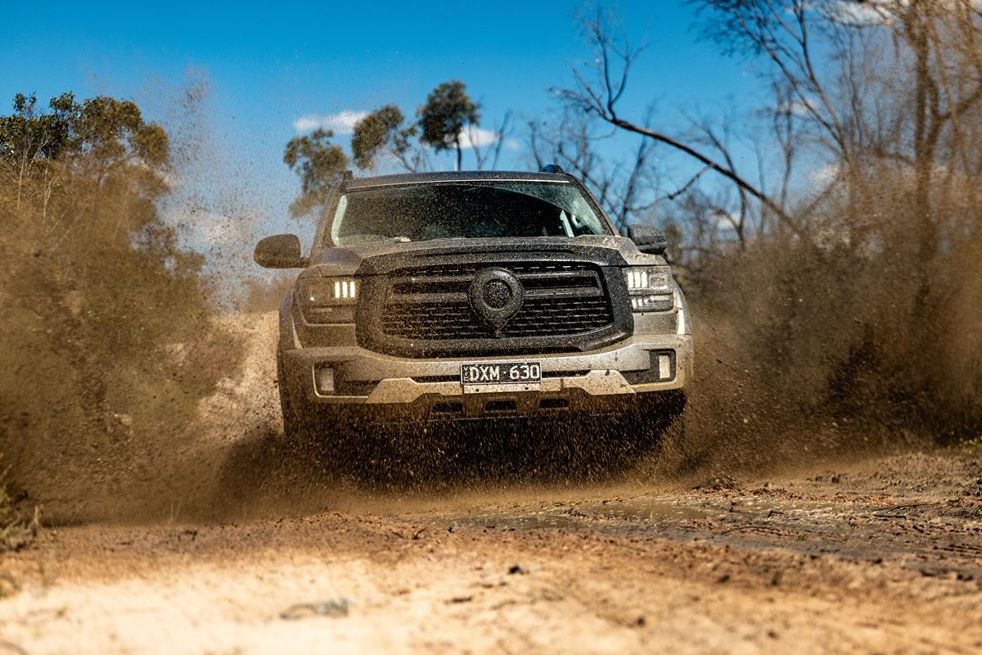
It's also surprisingly quiet - the Cannon Alpha already has a pretty impressive cabin for a ladder-frame workhorse, and the sound insulation does a good job of keeping the mechanical world outside. There's still some diesel character if you go listening for it, but most of the time the engine is little more than background noise.
The ride is good, too, although this is where you are reminded that it is still a ute. With an empty tray there's some firmness from the rear over sharper bumps, and occasionally it can feel a little brittle. That's hardly a surprise given the Cannon is designed to carry a substantial payload and tow 3.5 tonnes, but it does stop it feeling quite as polished as the cabin might suggest.
This is where the Tank 500 shines, however, and is noticeably the more comfortable of the two, thanks largely to its coil springs and shorter wheelbase. It still feels like a ladder-frame SUV, though, and you never completely forget that there's a fairly serious chassis underneath you, particularly over sharper imperfections.
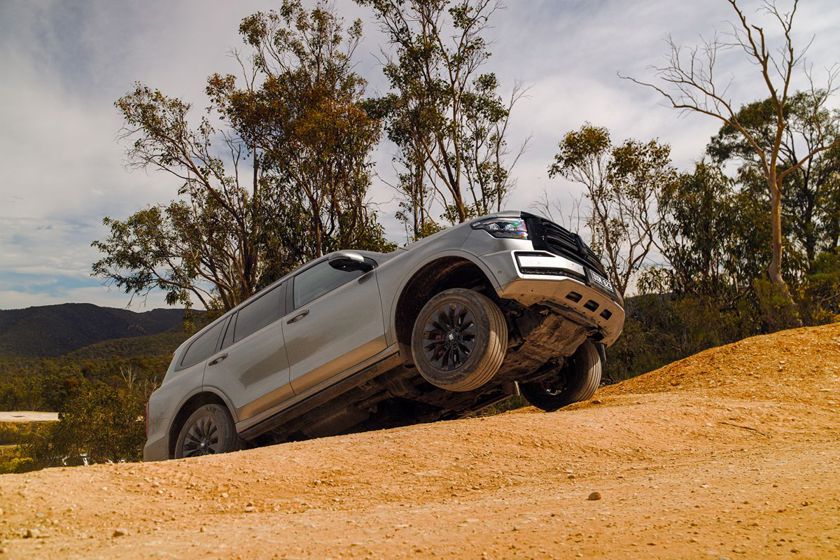
But the difference between it and the Cannon Alpha is quite revealing - the Tank 500 isn't simply a Cannon Alpha with a roof over the tray, rather it takes the same basic platform and makes it considerably more civilised. The cabin helps, too - there's clearly a lot of sound insulation, and the materials feel a step above what you'd normally expect from something with this much commercial-vehicle DNA underneath it.
After around 90 minutes or so of open road driving we arrived at the soggy off road course, and this is where both vehicles rather ruined what could have been a dramatic build-up.
While the tracks weren't overly extreme, they were considerably more challenging than anything the majority owners are likely to point either vehicle at, with steep sections, quite a bit of mud, some rock crawling and plenty of opportunities to get wheels off the ground.
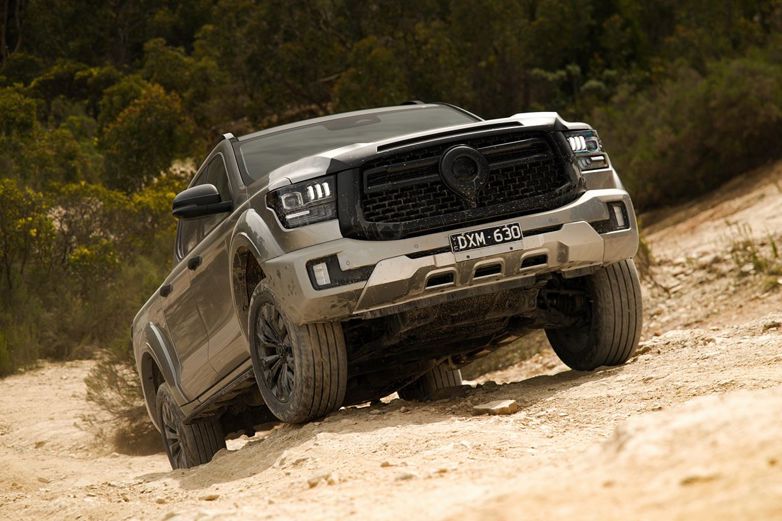
But the thing is, neither vehicle seemed particularly interested in the challenge.
Instead, the Cannon Alpha simply crawled through it. The four-wheel drive, low range and the diff locks are super simple to operate and fast to engage, while the new diesel's low-down torque means there is very little need to work the engine hard. It just digs in and keeps pulling.
The Tank 500 was similarly unfazed, although its shorter wheelbase and coil-sprung suspension made it feel noticeably more nimble and controlled when the terrain gets awkward. It's still a big SUV, and you know it when you're picking your way through tighter sections, but it is considerably easier to place than the longer Cannon. Most importantly, though, neither vehicle ever really felt close to its limits.
And this tells you something about the underlying mechanical package. GWM hasn't simply given these two vehicles a bigger engine and hoped for the best; the combination of torque, gearing, traction systems and suspension means there is a considerable amount of capability in reserve.
Neither vehicle is perfect - the transmission can occasionally be clunky and abrupt in both, while the sheer size of the Alpha makes the driver aids occasionally overactive on narrow roads - but both are remarkably easy to drive given their size and capability. The off-road tracks may have looked mildly challenging, but from behind the wheel they quickly became little more than a demonstration of just how much capability these two vehicles have.
The new diesel doesn't make either vehicle fast. It makes them effortless.
What’s the pick of the range?
Given that both vehicles simply represent a new model trim and engine in their respective ranges, the choice simply comes down to what you are wanting to do with them. If you are planning on towing anything even mildly substantial, then the Vanta is almost a no-brainer, thanks to its effortless demeanour and wide torque spread.
More urban based driving still lays into the PHEVs with their ability for zero emissions running, but the supremely frugal nature of the new big diesel can pay dividends here too. It really comes down to personal preference and likely use cases.
In other words; neither the PHEV or diesel versions of either the Cannon Alpha or Tank 500 are a poor choice, but it does leave the 2.4-litre version of the ute looking a little undercooked in comparison.
What other cars should I consider?
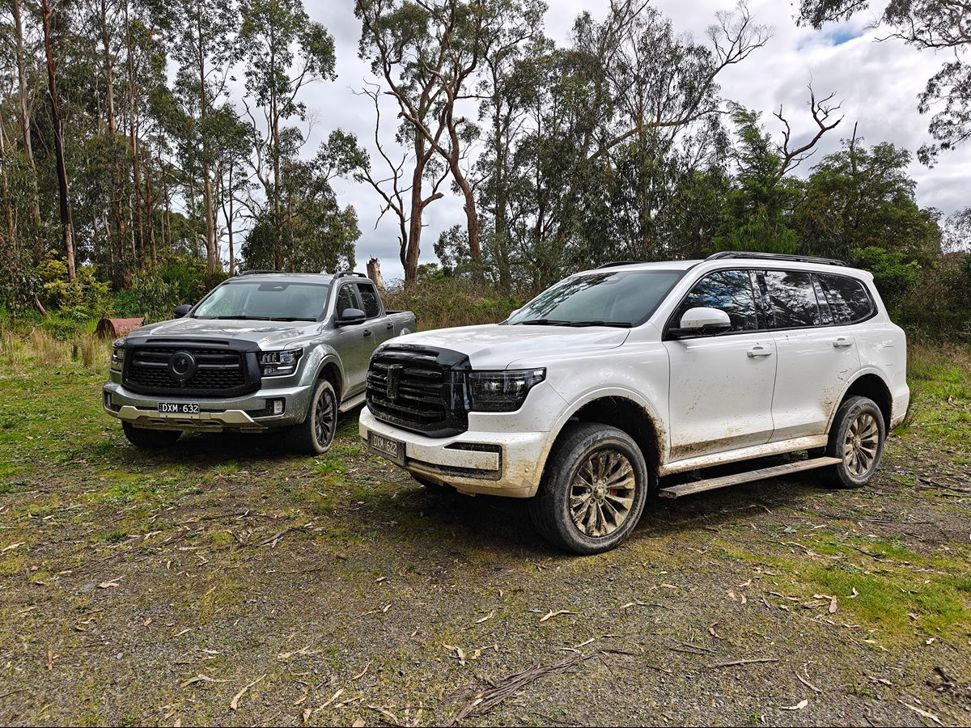
The Cannon Alpha sits in a niche position larger in size than the usual 4WD wellside suspects, but below the huge American pickups. The only other current residents of this oddball size segment is the BYD Shark 6 ($71,990 to $78,990) that competes more against the PHEV version, and the MG U9 ($60,990 to $68,990) that is considerably less powerful, while the larger Foton Tunland V7 and V9 (both of which are closer in size to the American pickups) are, at 120kW/450NM, even less powerful, but at $51,990 and $57,990 respectively, also considerably cheaper.
The diesel Alpha also easily out-muscles its smaller one-tonne diesel double cab rivals, apart from the Ford Ranger V6 ($71,990 to $92,990) that pumps out more power (180kW), but less torque (600Nm).
The Tank 500 is playing in a slightly different part of the playground, where the Toyota Land Cruiser Prado ($85,490 to $107,490) and Ford Everest V6 ($85,990 to $93,490) are the obvious alternatives. Again, the GWM comes in considerably cheaper than its most obvious competitors, while the new diesel engine easily out-grunts the Prado and four-cylinder Everest, coming worryingly close to the V6 Everest's outputs, if not its more aggressive responses under acceleration.


