



- Hyundai targets Nvidia-based Level 2+ production for the first half of 2028.
- A proprietary Atria AI Level 2++ system is targeted for the second half of 2029.
- A Level 4 public-road pilot is planned for Gwangju by the end of 2026.
Hyundai Motor Group has laid out a staged assisted-driving programme stretching into 2029, backed by what it calls an AI-powered Data Flywheel.
The first production target is an Nvidia-based Level 2+ system in the first half of 2028. Hyundai then plans to advance to an Nvidia-based Level 2++ system in the second half of the same year.
2028 targets come first
Its proprietary Atria AI Level 2++ system is scheduled to follow in the second half of 2029. Those Level 2+ and Level 2++ targets remain driver-assistance systems, rather than driverless technology.
Hyundai has not disclosed whether any of these systems will be offered in New Zealand, or when a local rollout could take place.
Difficult cases drive development
Hyundai says the Data Flywheel is already in full operation. A fleet of 40 dedicated vehicles continuously gathers real-world driving data, giving the Group material to train and test its systems.
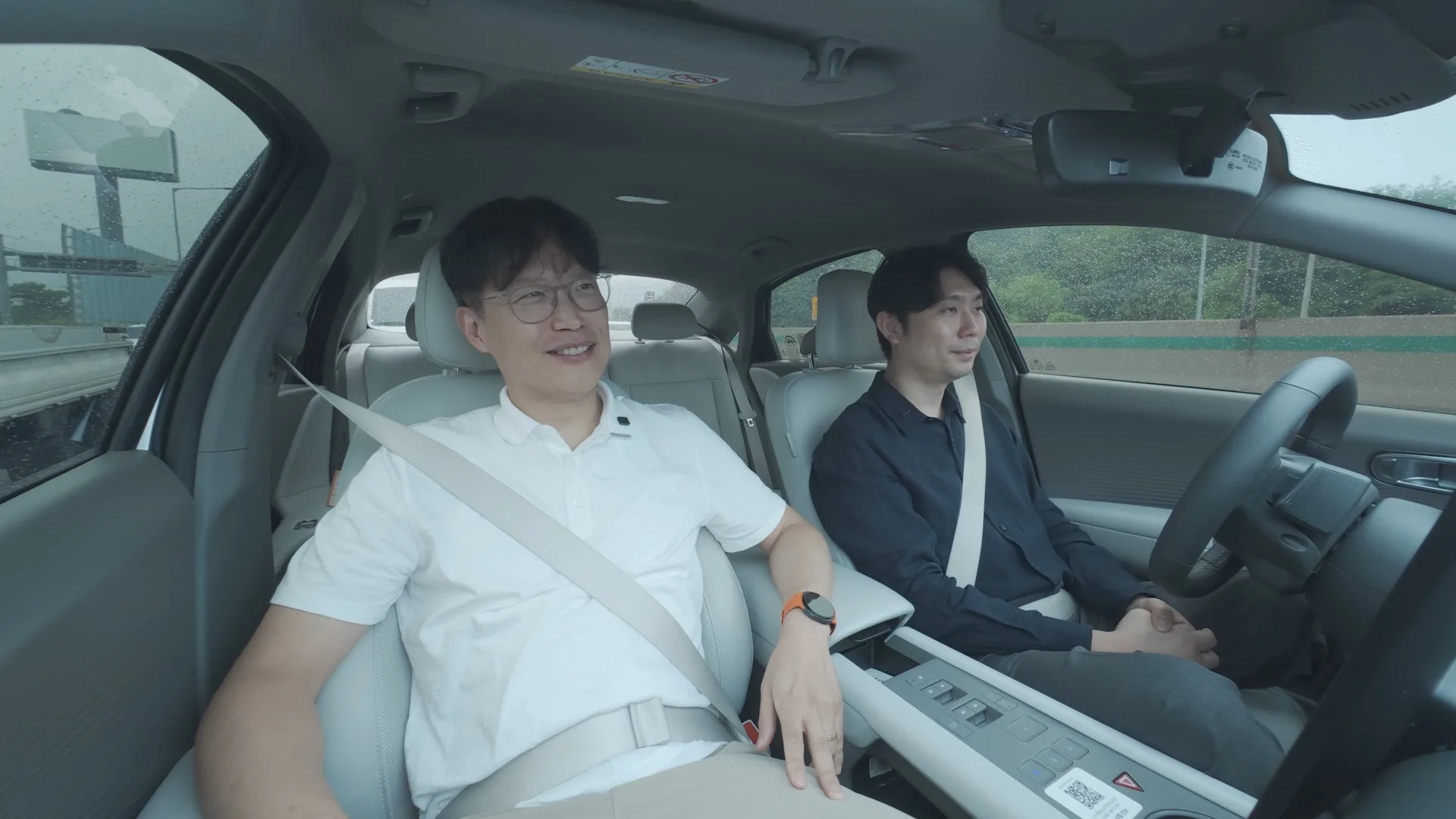
The process includes hard-example mining, which identifies difficult road situations, followed by continuous training and virtual validation. Hyundai also uses a follow-the-sun approach to distribute work across global teams.
Other elements of the wider programme include SER, Data Union and vision-language-action development. Hyundai presents each as part of its broader assisted-driving effort.
Level 4 pilot planned
The longer-term programme also reaches beyond driver assistance. Hyundai plans to run a Level 4 public-road pilot in Gwangju by the end of 2026.
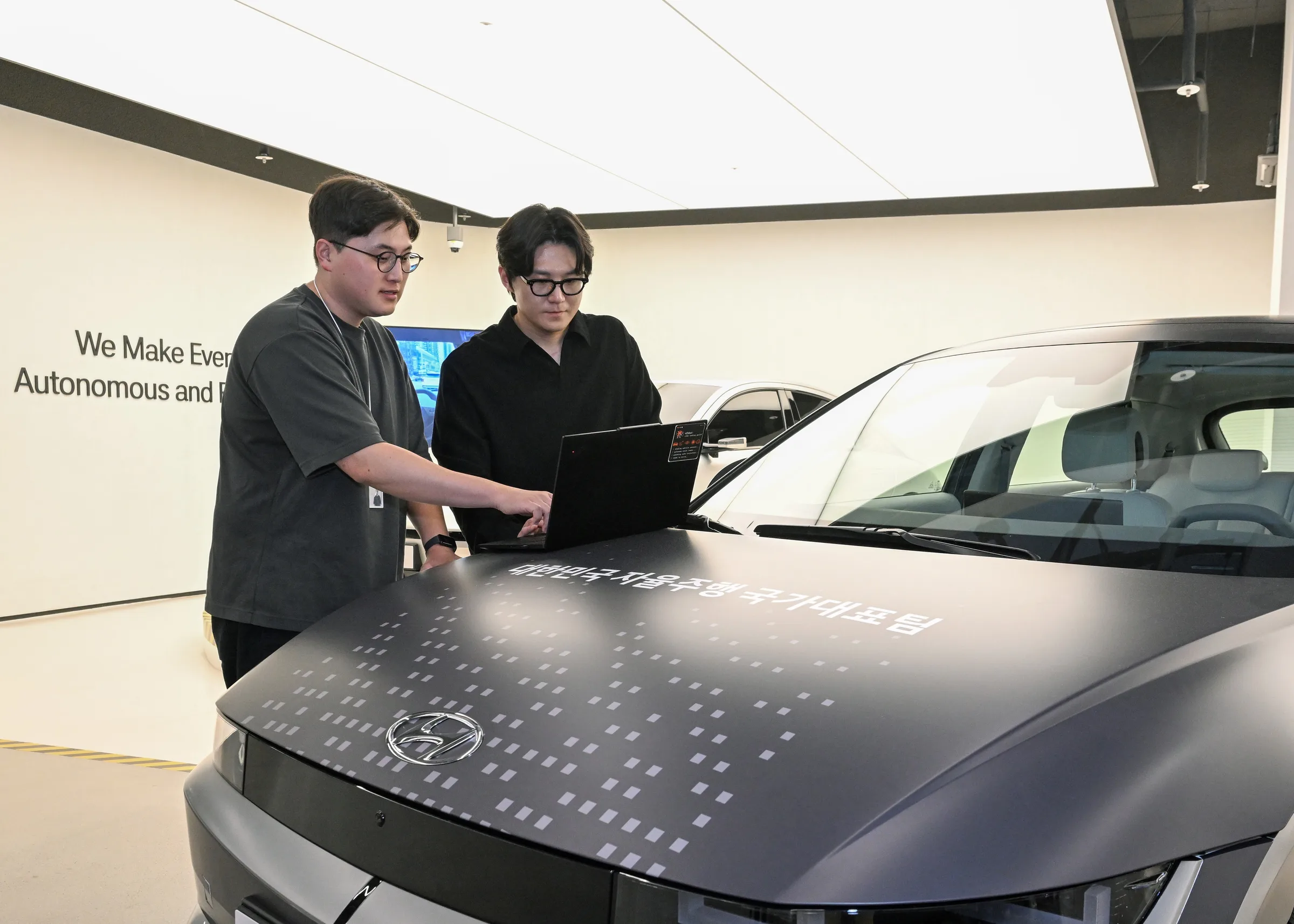
That pilot is distinct from the production targets set for 2028 and 2029. For now, the Group's published timetable points to a measured progression: gather difficult real-world data, train and validate the systems, then bring increasingly capable assistance into production.


