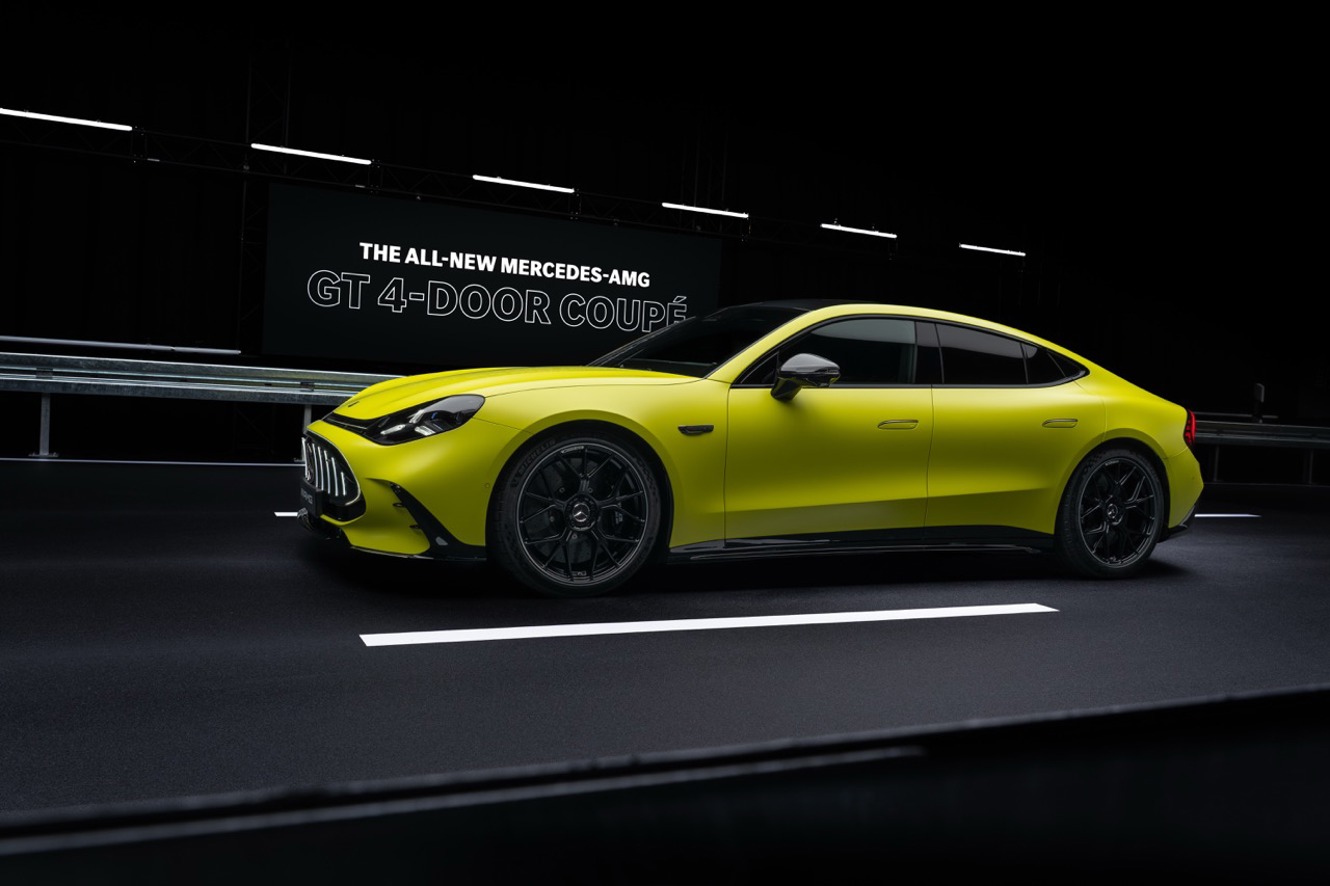



- Mercedes-Benz has started axial flux motor production in Berlin-Marienfelde.
- The motor debuts in the electric AMG GT 4-Door Coupé.
- Production uses 35 processes described as new worldwide.
Mercedes-Benz has started large-scale production of its new axial flux electric motor at the Berlin-Marienfelde plant, turning a tricky bit of EV engineering into factory reality.
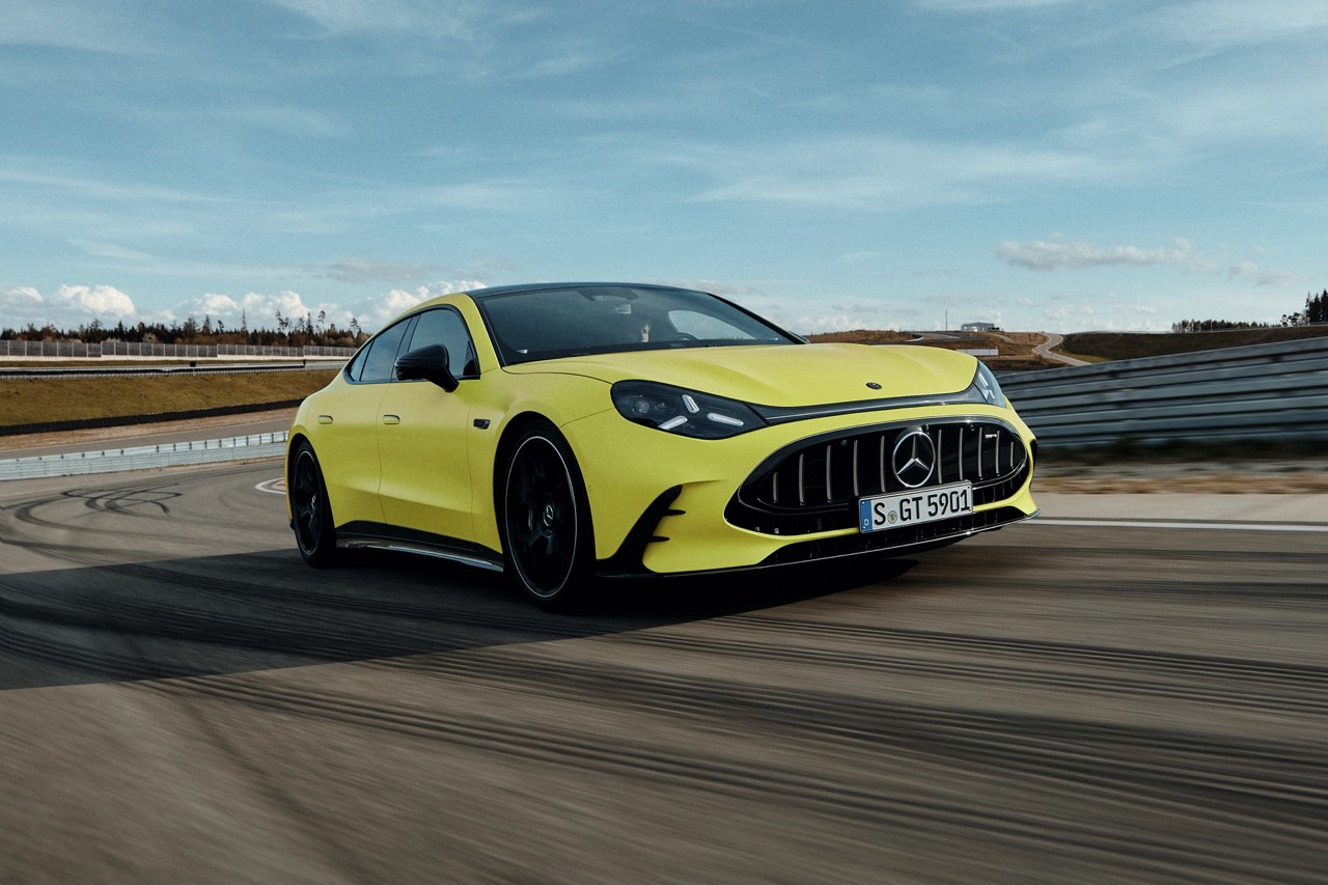
The compact high-performance motor will make its production-car debut in the new Mercedes-AMG GT 4-Door Coupé, where three axial flux units help deliver properly serious electric performance. Mercedes-Benz says the GT 4-Door can reach 100km/h in as little as 2.1 seconds and top out at 300km/h with the Driver’s Package.
Old plant, new tricks
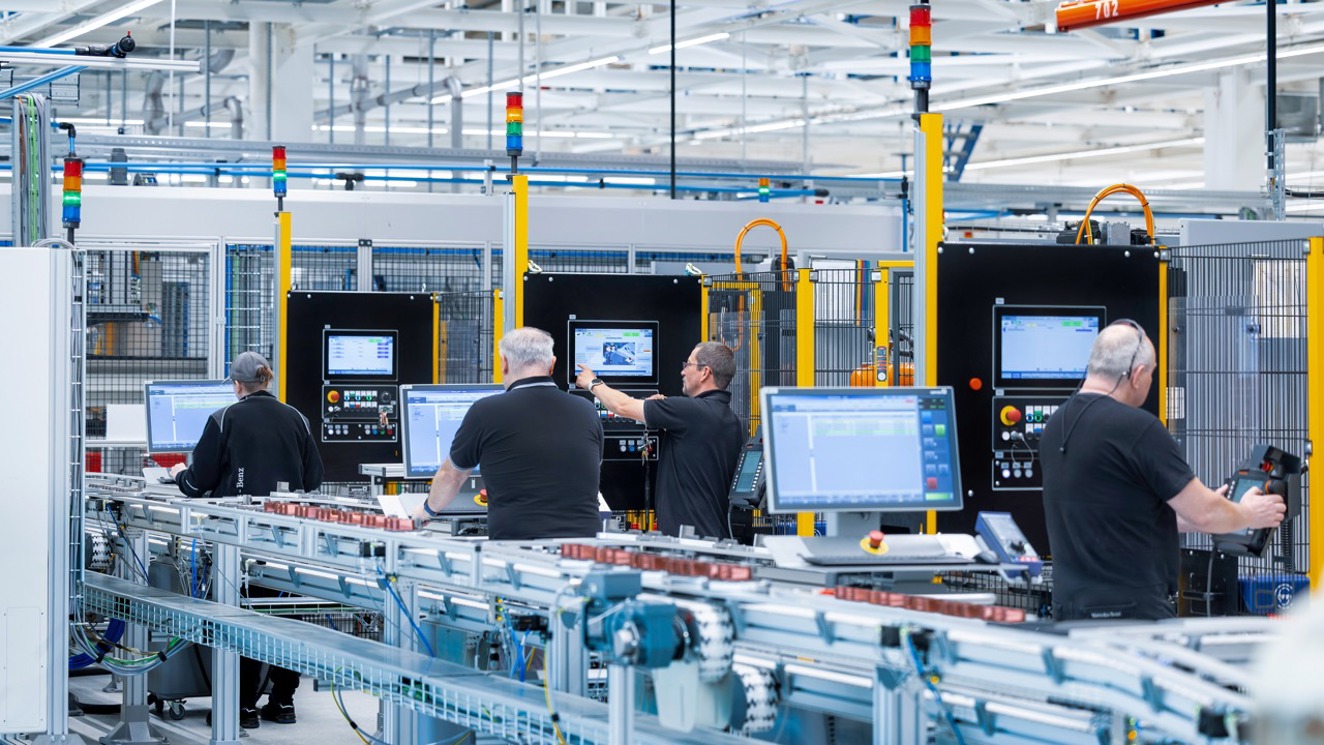
Berlin-Marienfelde is Mercedes-Benz’s oldest manufacturing site, founded in 1902, but its latest job is anything but old-school.
The plant is now being positioned as a centre of excellence for high-performance electric motor production.
The axial flux motor programme spans around 30,000 square metres across three halls and seven production lines. Mercedes-Benz says production involves 98 process steps, including 65 being used by the company for the first time and 35 processes described as new worldwide. The work has also generated more than 30 patent applications.
“With the start of large-scale series production of the axial flux motor in Berlin-Marienfelde, we are bringing a pioneering innovation for electromobility into industrial reality,” said Michael Schiebe, Member of the Board of Management of Mercedes-Benz Group AG, responsible for Production, Quality & Supply Chain Management.
Why axial flux matters
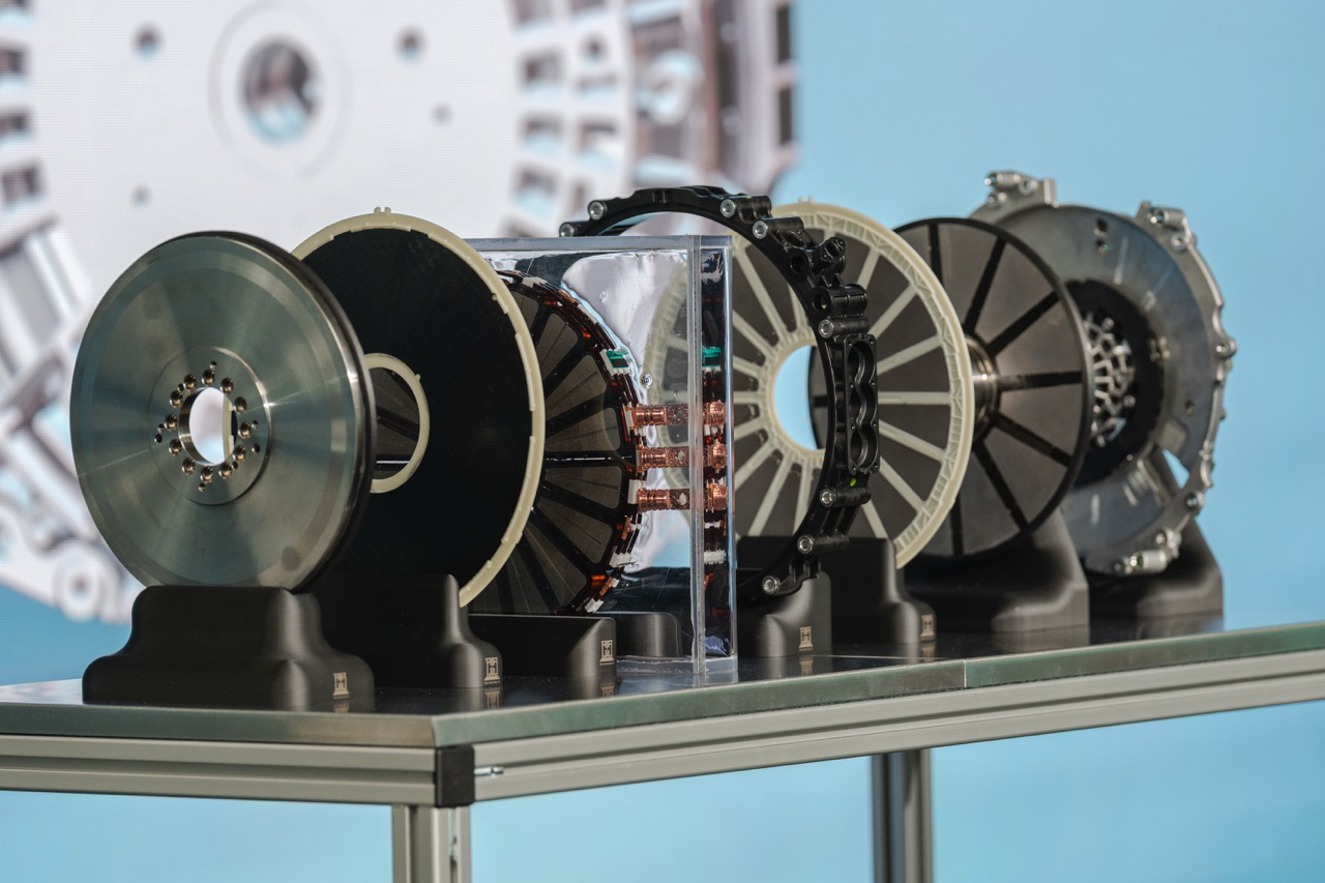
Unlike a conventional radial flux motor, an axial flux motor sends electromagnetic flux parallel to the axis of rotation. Its disc-like layout sandwiches the stator between two rotors, allowing a very compact shape with high power and torque density.
In the new AMG GT 4-Door, the front-axle motor is just under 9cm wide, while each rear-axle motor is around 8cm wide.
That packaging advantage matters in performance EVs, where space, mass and cooling are all fighting for attention.
The technology traces back to British electric motor specialist Yasa, which became a wholly owned Mercedes-Benz subsidiary in 2021.
Precision, lasers and AI
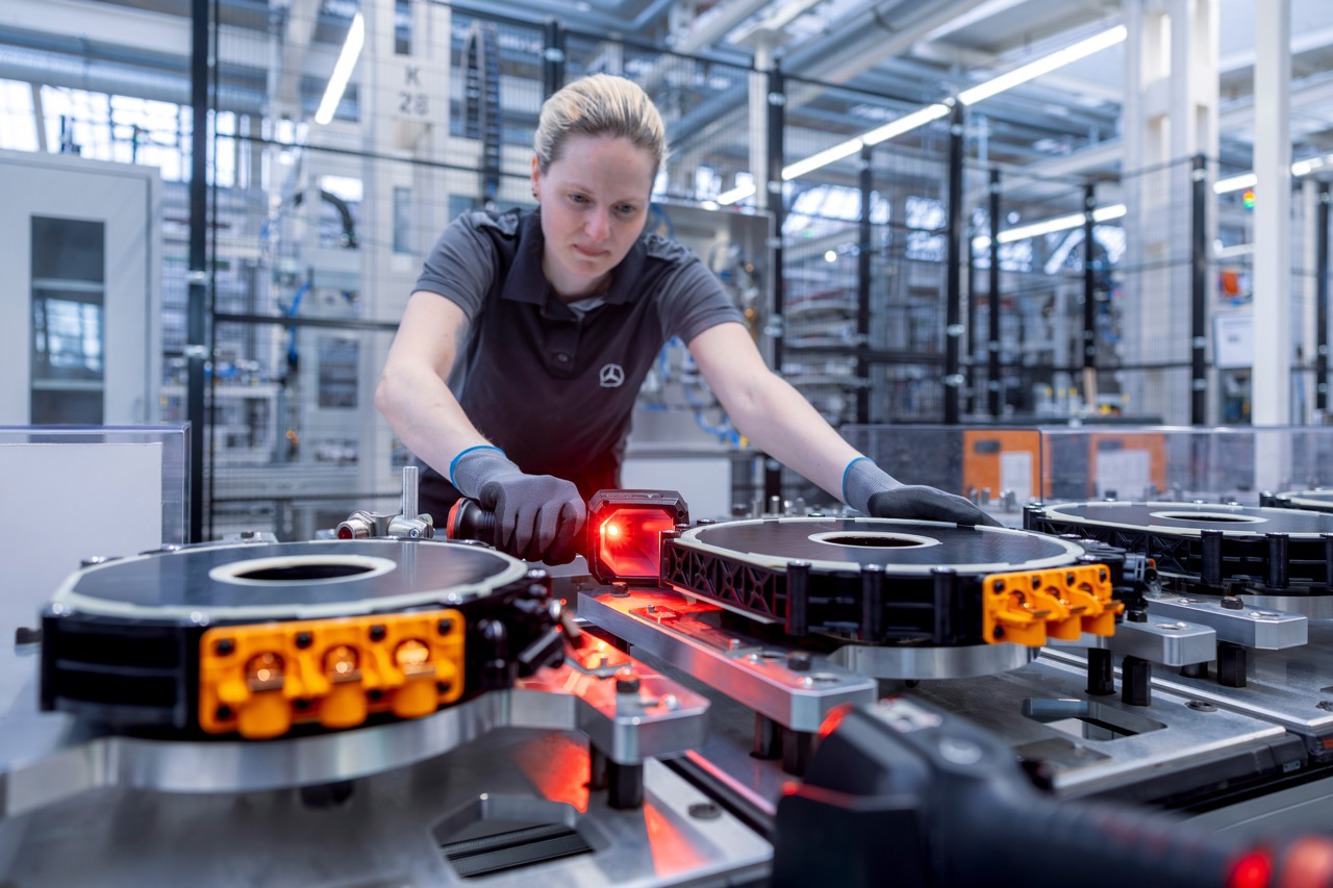
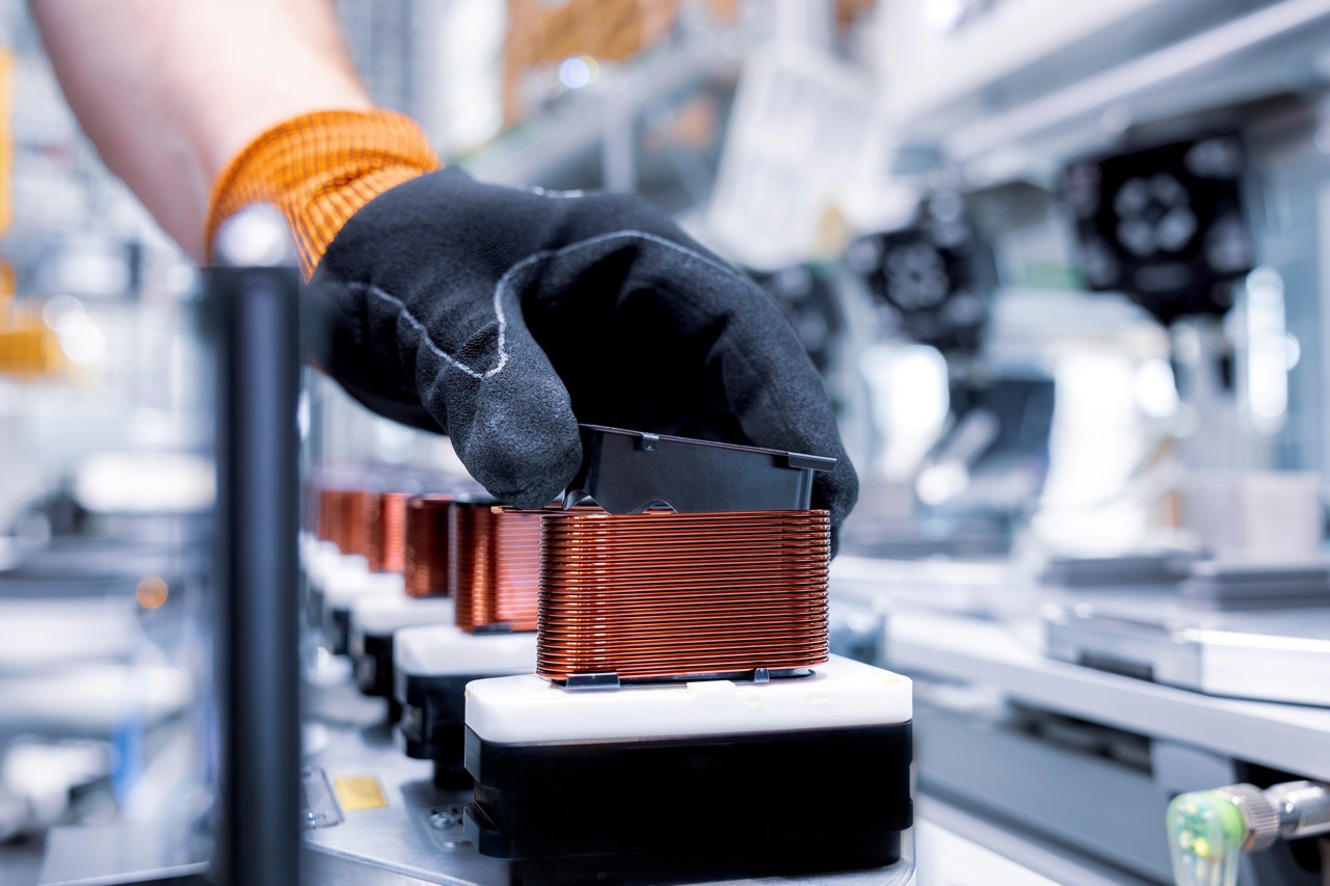
Manufacturing the motor at scale has required new production methods. Mercedes-Benz uses rectangular copper wire in the stator to fit more copper into the available space, but bending it quickly and tightly without damage demanded a special process.
Laser welding is used to connect coil ends in tight spaces, while laser polymer welding helps join plastic drivetrain components. AI-supported optical real-time quality control checks joints and helps guide the process.
Final assembly sounds especially delicate. The stator is positioned between two magnet-equipped rotor discs, with magnetic forces of up to 9kN acting on the components. Mercedes-Benz says the stator must stay within less than 0.1mm of the magnetic centre plane.
In other words, this is not just another motor line. It is Mercedes trying to prove that exotic EV hardware can be built at industrial scale, not just shown off in concept cars.